Iran Shifts Position on Nuclear Talks, Rubio Tells U.S. Congress
Iran has signaled a new willingness to negotiate on aspects of its nuclear program it previously refused to discuss, but that shift may not be enough to end the war, US Secretary of State
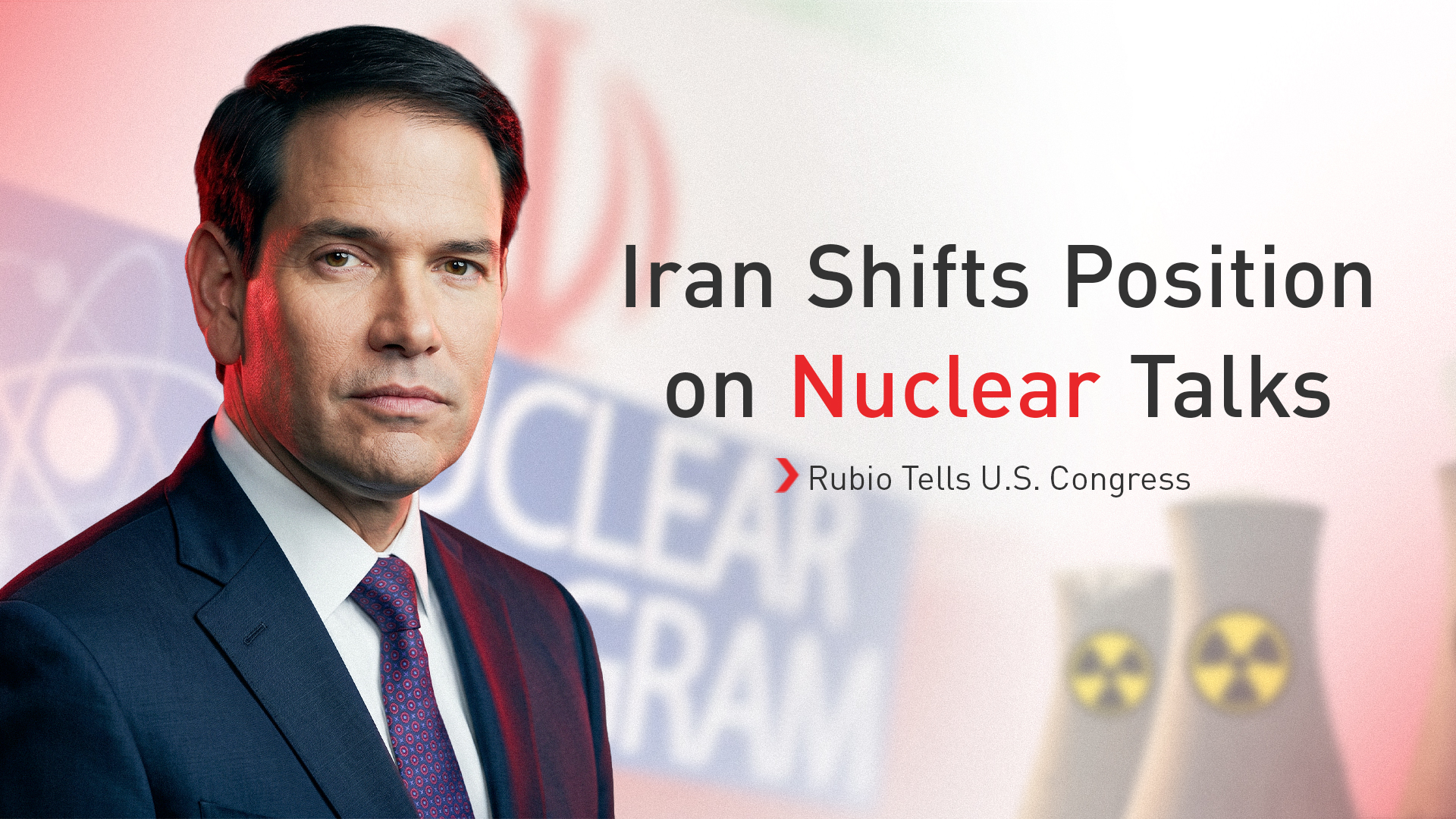
ERBIL (Kurdistan24) - Testifying before the US Senate Foreign Relations Committee in his first public appearance before Congress since the Trump administration launched the war against Iran, Secretary of State Marco Rubio described a meaningful — if uncertain — shift in Iranian negotiating posture, even as fresh reports emerged that Tehran had severed contact with intermediaries.
Rubio told senators that Iran had agreed to put on the table aspects of its nuclear program that it had previously refused to discuss, a development he characterized as significant but cautioned was not a guarantee that negotiations would produce a deal to end the ongoing US-Israeli military campaign.
The testimony came as two semi-official Iranian news agencies reported that Tehran had stopped communicating with mediators, a move the agencies linked to Israeli threats to bomb Beirut amid continued fighting against the Iran-backed Lebanese militant group Hezbollah.
Central to Rubio's testimony was his account of Iran's broader strategic logic — one he argued Washington had now disrupted.
Iran, he told the committee, had been pursuing a nuclear weapon behind what he called a "conventional shield."
"Iran's desire to build a nuclear weapon was going to be effectuated behind a conventional shield," Rubio said.
"They were going to build for themselves so many missiles, so many drones, so many conventional weapons… that at that point, there's nothing you could do about it."
The strategy, as Rubio described it, was to accumulate enough conventional deterrence to make any military action against Iran's nuclear program prohibitively costly — rendering the program effectively untouchable.
The US-led military campaign, he argued, had dismantled that logic.
Rubio told senators that the US military campaign had "substantially degraded" Iran's capacity to produce the missiles and drones that underpinned that conventional shield.
He was careful, however, not to overstate the results.
"They still have a lot of drones," he acknowledged, noting that they are "easy to make."
The secretary's testimony came as part of a packed day on Capitol Hill in which he was also scheduled to appear before a House panel focused on the State Department's budget — part of the administration's effort to defend a nearly $36 billion funding request for the agency.