Trump Warns Iran Against Disrupting Oil Flow Through Strait of Hormuz
“If Iran does anything that stops the flow of Oil within the Strait of Hormuz, they will be hit by the United States of America TWENTY TIMES HARDER than they have been hit thus far,” Trump wrote.
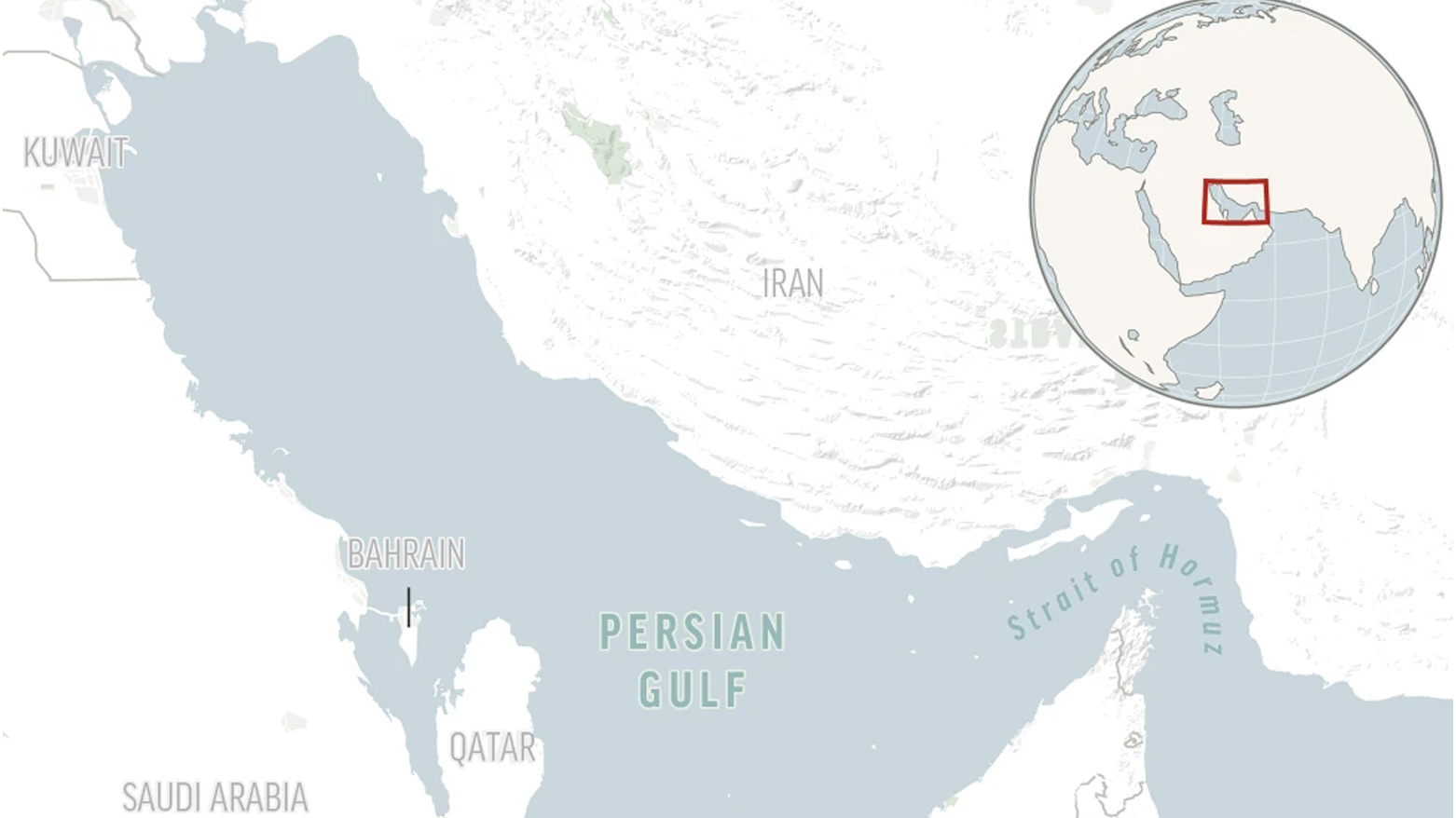
ERBIL (Kurdistan24) - U.S. President Donald Trump warned Tuesday that the United States would respond with overwhelming force if Iran interferes with oil shipments through the Strait of Hormuz, issuing the warning in a public statement posted on the social media platform Truth Social.
In the message published Tuesday, Trump said that any Iranian attempt to stop oil flows through the waterway would trigger a significantly stronger U.S. military response than actions taken so far during the ongoing conflict involving the United States, Israel, and Iran.
“If Iran does anything that stops the flow of Oil within the Strait of Hormuz, they will be hit by the United States of America TWENTY TIMES HARDER than they have been hit thus far,” Trump wrote. He added that the United States would also target infrastructure that he described as “easily destroyable targets,” warning that such action could make it “virtually impossible for Iran to ever be built back, as a Nation, again.”
Trump’s statement included further language emphasizing the potential scale of retaliation. “Death, Fire, and Fury will reign upon them — But I hope, and pray, that it does not happen!” he wrote in the same post.
The president also framed the warning in the context of international energy supply routes, saying continued access through the Strait of Hormuz benefits major oil-importing countries. In the message, Trump described the warning as “a gift from the United States of America to China, and all of those Nations that heavily use the Hormuz Strait.”
The remarks came as the conflict between Iran, Israel, and the United States continues to affect energy markets and maritime transport across the Gulf region. According to economic reports cited in recent assessments, the closure of the Strait of Hormuz has already disrupted oil shipments and reduced production levels in several exporting countries.
Recent reporting indicates that Iraq’s oil production has dropped sharply following the suspension of maritime traffic through the corridor. Output has declined from approximately 4.3 million barrels per day to about 1.3 million barrels per day, according to economic reports referenced in analyses of the disruption.
Those same reports state that Iraqi oil exports have fallen by at least 800,000 barrels per day as a result of the shipping slowdown. The country relies heavily on maritime transport routes to move crude oil to global markets, making the corridor a central component of its energy exports.
The Strait of Hormuz normally carries roughly 20 percent of global crude oil and natural gas shipments, according to data cited in the reports. Because of that role, disruptions in the waterway can have immediate consequences for international energy supply chains and pricing.
An international maritime monitoring site cited in the reporting said that only 66 vessels have passed through the strait over the past nine days, illustrating the scale of the slowdown in shipping activity. Of those ships, 15 were Iranian, while the others primarily carried the flags of India, China, and Türkiye, the monitoring data indicated.
The same monitoring report said that the Iranian Revolutionary Guard Corps has been preventing U.S. and British commercial vessels from transiting the corridor in response to the broader military confrontation involving Tehran and Western allies.
The decline in shipping activity has been accompanied by volatility in global oil markets. Market data cited in earlier reporting showed crude prices rising above $100 per barrel for the first time in nearly four years following the escalation of hostilities in the region.
Both Brent crude and West Texas Intermediate increased by more than 15 percent when markets opened after the latest escalation, reaching price levels last seen during the early months of the 2022 war in Ukraine, according to the market figures cited in the report.
Trump previously addressed the price surge in a social media message on Sunday, defending the ongoing military campaign against Iran and describing the rise in energy costs as temporary.
“Short term oil prices, which will drop rapidly when the destruction of the Iran nuclear threat is over, is a very small price to pay for U.S.A., and World, Safety and Peace,” Trump wrote in the earlier post.
U.S. officials have also sought to reassure markets that global oil supplies remain sufficient despite the disruptions. U.S. Energy Secretary Chris Wright said supply interruptions were unlikely to persist for an extended period.
“Worst case, that's a few weeks. That's not months,” Wright said in comments to CNN, according to the report.
Wright also told CBS that global energy supply levels remain stable despite the current volatility. “They shouldn't go much higher than they are here because the world is very well supplied with oil,” he said.
According to Wright, U.S. officials have begun discussions with shipping companies regarding measures to restore tanker traffic through the corridor. Early tanker movements may involve direct U.S. military protection to ensure safe passage, he said.
“Early tankers probably will involve some direct protection by the US military” to transit the strait, Wright said.
Financial measures have also been introduced to address the risks associated with maritime shipping during the conflict. The U.S. International Development Finance Corporation has established a reinsurance mechanism valued at up to $20 billion to cover insurance risks linked to maritime operations through the Strait of Hormuz during the crisis, according to the report.
The program is intended to provide financial protection for shipping companies operating in the region while security conditions remain unstable.
Trump’s warning also comes amid continued statements from U.S. officials about the scope and duration of the military campaign against Iran. Speaking Monday at a gathering of congressional Republicans at his golf club in Doral, Trump said the conflict would likely remain limited in duration.
“We took a little excursion because we felt we had to do that to get rid of some people. And I think you'll see it's going to be a short-term excursion,” Trump said during the remarks, according to reporting on the speech.
In the same address, Trump said U.S. and Israeli operations had already damaged Iran’s military capabilities but emphasized that the campaign had not yet achieved what he described as complete success.
“We've already won in many ways, but we haven't won enough,” he said, calling for what he described as an “ultimate victory.”
Regional tensions intensified following joint U.S. and Israeli strikes on Iran on Feb. 28 that targeted military facilities and other infrastructure in Tehran, according to Iranian state sources cited in earlier reporting. The strikes marked a significant escalation in the conflict and have since been followed by continued aerial operations and missile attacks.
The disruption to shipping routes and oil production linked to the fighting has drawn close attention from governments, energy companies, and financial markets monitoring the stability of energy supply chains.
Trump’s latest statement reiterated that the United States would respond forcefully to any Iranian action that disrupts oil shipments through the Strait of Hormuz while expressing hope that such a confrontation would not occur.
The president’s message emphasized that maintaining the flow of oil through the corridor remains a central concern amid the ongoing conflict and related disruptions to global energy transportation.