Baqaei Criticizes German Chancellor’s Call for Iran to End Middle East War
Esmaeil Baqaei, Iran's Foreign Ministry's Spokesperson, said, “German Chancellor appeals to Iran to end the war! This is beyond absurd: demanding that Iran — the victim of an ongoing unprovoked aggression — somehow bring the conflict to an end."
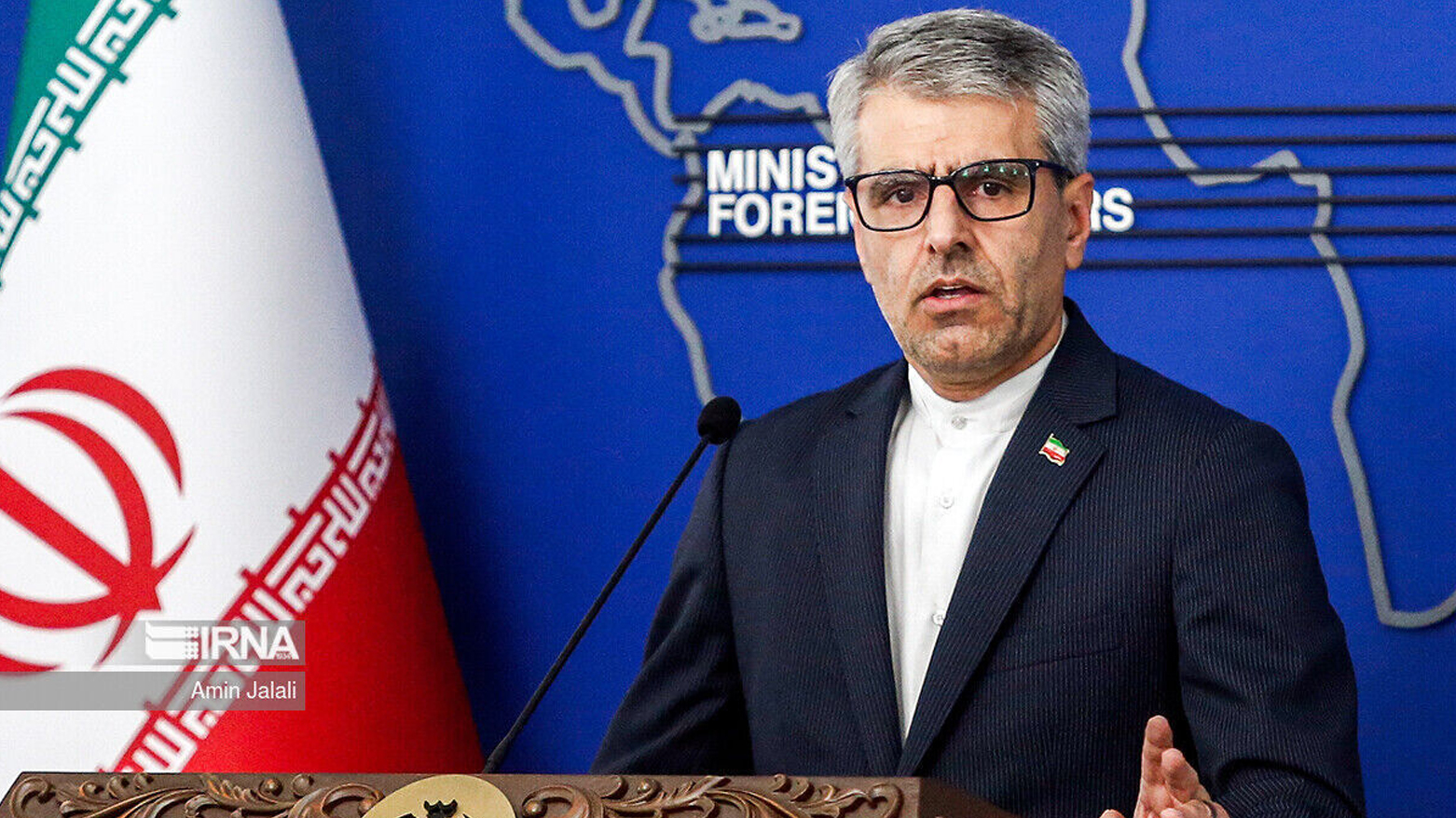
ERBIL (Kurdistan24) - Esmaeil Baqaei, Head of the Center for Public Diplomacy and Iran's Foreign Ministry's Spokesperson, wrote on his official X account on Sunday, criticizing German Chancellor Friedrich Merz’s recent statements urging Iran to end the ongoing conflict in the Middle East.
In his post, Baqaei said, “German Chancellor appeals to Iran to end the war! This is beyond absurd: demanding that Iran — the victim of an ongoing unprovoked aggression — somehow bring the conflict to an end."
He added, "Why not direct your calls instead to the ruthless aggressors responsible for bombing and killing Iranians? Why not demand that the United States and Israel be held accountable for its brutal aggression and abhorrent crimes?”
Chancellor Merz had spoken on March 13 during a press conference in Norway alongside his Norwegian and Canadian counterparts, Jonas Gahr Store and Mark Carney, emphasizing the need to end the conflict “as soon as possible,” citing economic and humanitarian impacts.
The chancellor stated that the war “benefits no-one and harms many economically, including us,” according to AFP coverage. Merz further noted that Germany is making use of “all diplomatic channels” to facilitate a resolution and ensure the reopening of the Strait of Hormuz for international shipping.
Merz stressed that Germany shared the “important goals of the United States and Israel” and highlighted concerns over Iran’s nuclear and ballistic missile programs.
“Iran must not threaten Israel and other neighbours,” he said, adding that Tehran “must stop supporting terrorism at home and beyond,” the report noted.
The chancellor also expressed concern over the ongoing escalation, stating, “We are witnessing a dangerous escalation. Iran is indiscriminately attacking states in the region, including close partners and allies of our own country, Germany.”
The German leader condemned the disruption of maritime traffic through the Strait of Hormuz, calling it “impassable” and emphasizing that Germany has “no interest in an endless war.” He stressed the need for a “perspective for a peaceful order now,” AFP reported.
Baqaei’s response framed Iran as a victim of aggression and questioned the focus of international appeals on Tehran. He underscored that Germany’s calls to Iran overlooked the role of the United States and Israel in conducting airstrikes and military operations across Iranian territory, which have been ongoing since late February 2026, as reported by Fox News and Reuters.
According to these sources, U.S.-Israeli operations have targeted Iranian military infrastructure, including naval, air, and missile capabilities, and resulted in the deaths of high-level Iranian officials.
The conflict has resulted in significant casualties and humanitarian consequences. Reports indicate that over 1,200 Iranian civilians have been killed, more than 10,000 injured, and approximately 3.2 million displaced, according to statements cited by U.S. Senator Bernie Sanders on his X account on March 14, 2026.
The operations, launched under President Donald Trump, began with coordinated U.S.-Israeli airstrikes and have drawn both domestic and international scrutiny, including congressional debate over the legality and strategic justification for the campaign, as reported by The New York Times, Axios, and PBS NewsHour.
Chancellor Merz’s remarks align with Germany’s stated position on the importance of regional stability and the need to protect European economic interests, particularly concerning global energy supply routes such as the Strait of Hormuz.
AFP noted that the chancellor’s comments framed the cessation of hostilities as urgent, stressing that a “convincing plan” is required to manage the ongoing escalation.
While Germany has highlighted concerns about Iranian missile capabilities and support for proxy operations, Baqaei’s statements emphasized Iran’s perspective as a target of military strikes, calling for international attention to be directed toward the United States and Israel. His response underscores the diplomatic friction surrounding international efforts to mediate the conflict and the divergent interpretations of responsibility and accountability.
Observers note that the exchange between European diplomatic appeals and Iranian rebuttals illustrates the ongoing challenges in de-escalating a complex regional conflict.
While Germany emphasizes the need for an immediate cessation of hostilities to protect civilian populations and global economic interests, Iran, through Baqaei’s communications, maintains that the primary responsibility for the conflict lies with external actors conducting strikes against Iranian territory.