EU Reviews Naval Mission to Protect Strait of Hormuz Amid Middle East Tensions
The European Union is reviewing the Aspides naval mission to protect the Strait of Hormuz and secure commercial shipping amid rising tensions and energy market disruptions.
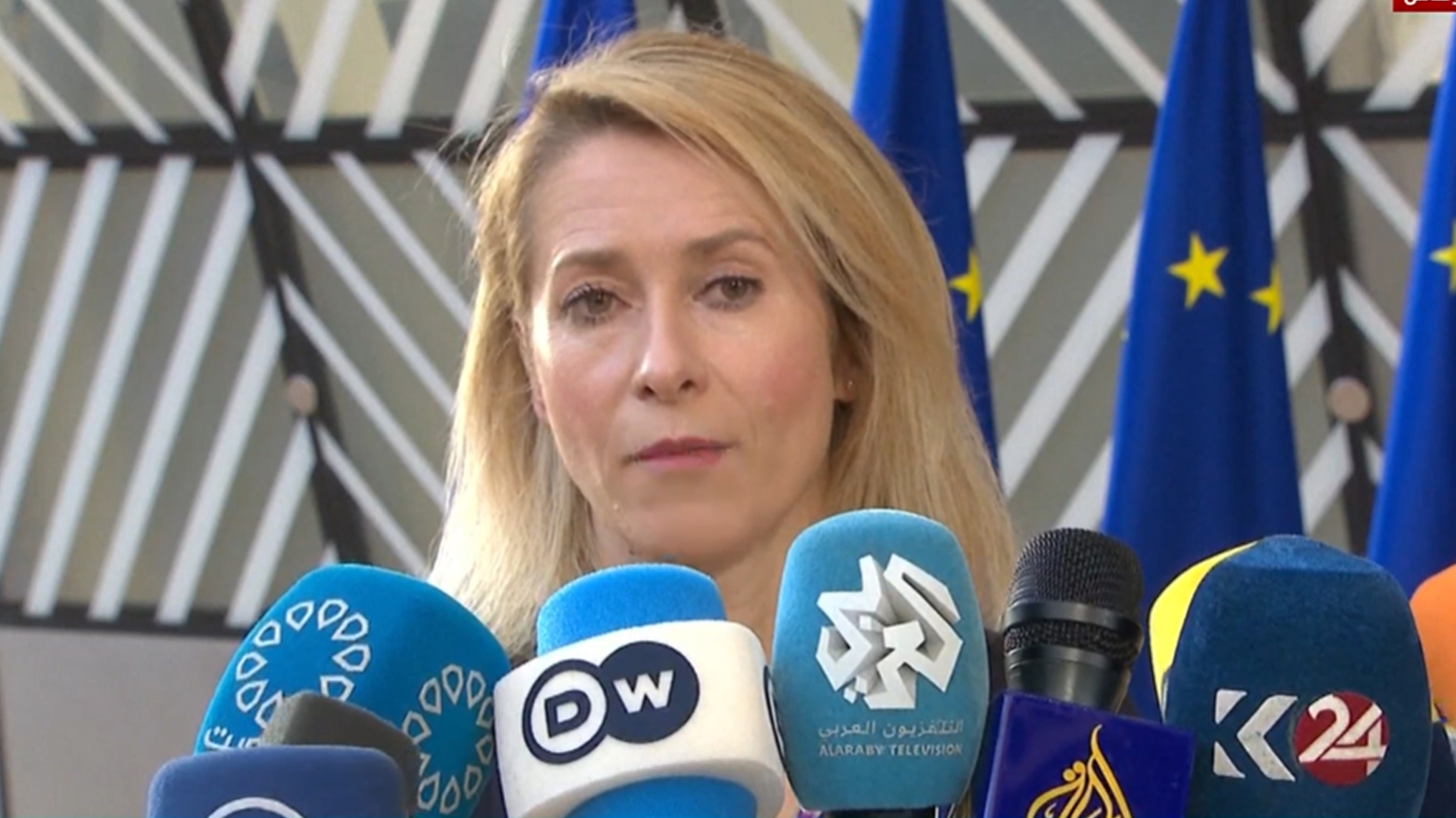
ERBIL (Kurdistan24) - The European Union is reviewing its naval operations to ensure the security of the Strait of Hormuz and stabilize global oil prices, EU High Representative for Foreign Affairs and Security Policy Kaja Kallas told Kurdistan24's correspondent Barzan Hassan on Monday.
The review focuses on the potential expansion of the EU's "Aspides" naval mission to include protective measures for commercial shipping in the strategic waterway, which has become a focal point amid escalating regional tensions.
Kallas emphasized that the Union is examining the operational scope of its naval forces to provide adequate protection against threats to international shipping.
“We want the price of oil in the global market to decrease, as its rise has created a significant impact,” she said, linking the conflict in the Middle East directly to surging energy costs.
The EU official highlighted the broader economic implications of disruptions to the Strait of Hormuz.
She warned that any obstruction to maritime passage could cause major economic damage, not only affecting Europe but also nations across Africa and other regions that rely on the strait for fuel and essential supplies.
Kallas noted that closing the corridor could trigger both an energy crisis and food security concerns globally.
The statement comes as tensions persist in the Middle East, with ongoing military operations involving the United States, Israel, and Iran.
The conflict has disrupted shipping routes and contributed to volatility in international oil markets, prompting regional and global stakeholders to consider measures for ensuring safe passage through key maritime channels.
Kallas said that the EU is actively reviewing potential adjustments to the Aspides mission’s deployment to respond to these challenges.
The initiative is intended to safeguard commercial vessels and maintain the uninterrupted flow of oil and essential goods through the strait, one of the world’s most critical maritime corridors.
The European Union has framed the protection of the Strait of Hormuz as a top priority, stressing that securing the passage of ships is essential to maintaining global economic stability.
Kallas underscored that the Union’s strategy focuses on preventing disruptions that could amplify the impact of the Middle East conflict on global markets.
Officials also noted that the review is part of a broader effort to address the economic consequences of the war, including rising energy prices, and to coordinate international measures to prevent further instability.
Kallas reiterated that the EU’s aim is to ensure uninterrupted trade and minimize the global economic effects of the ongoing conflict.