European Officials Warn Middle East War Is Driving Oil Price Pressures and Energy Concerns
European officials told Kurdistan24 correspondent Barzan Hassan that the war in the Middle East and the potential closure of the Strait of Hormuz are fueling upward pressure on global oil prices and heightening concerns about the stability of international energy supplies.
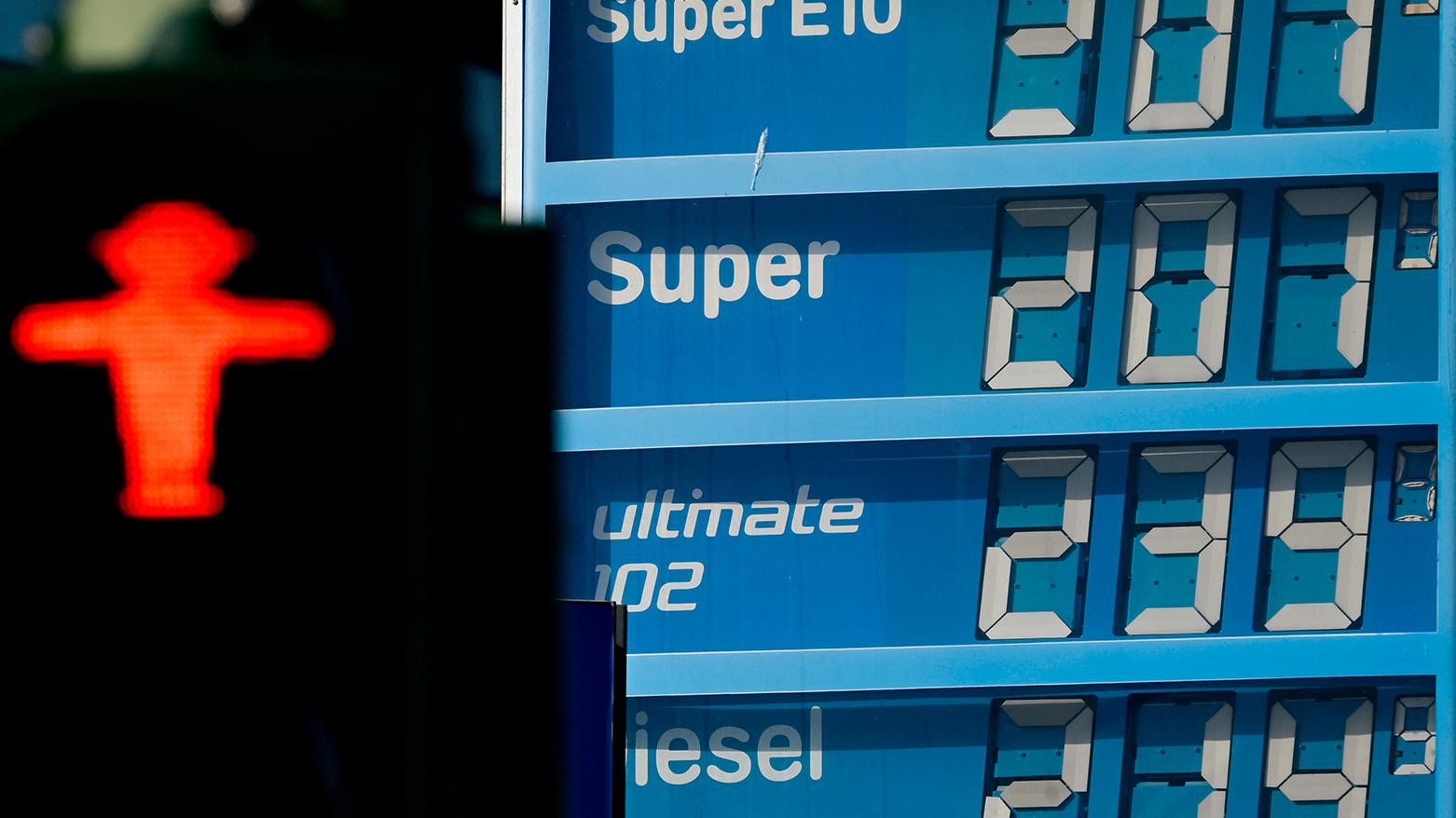
ERBIL (Kurdistan24) - Senior European officials said Monday that the ongoing war in the Middle East and the closure of the Strait of Hormuz are contributing to rising global oil prices and increasing concern over energy markets, though some leaders stressed that Europe has not yet entered a full-scale energy crisis.
The remarks came in response to questions from Kurdistan24 correspondent Barzan Hassan during a press interaction on Monday, March 16, 2026, in which European officials addressed the economic and energy implications of the conflict involving Iran, the United States, and Israel.
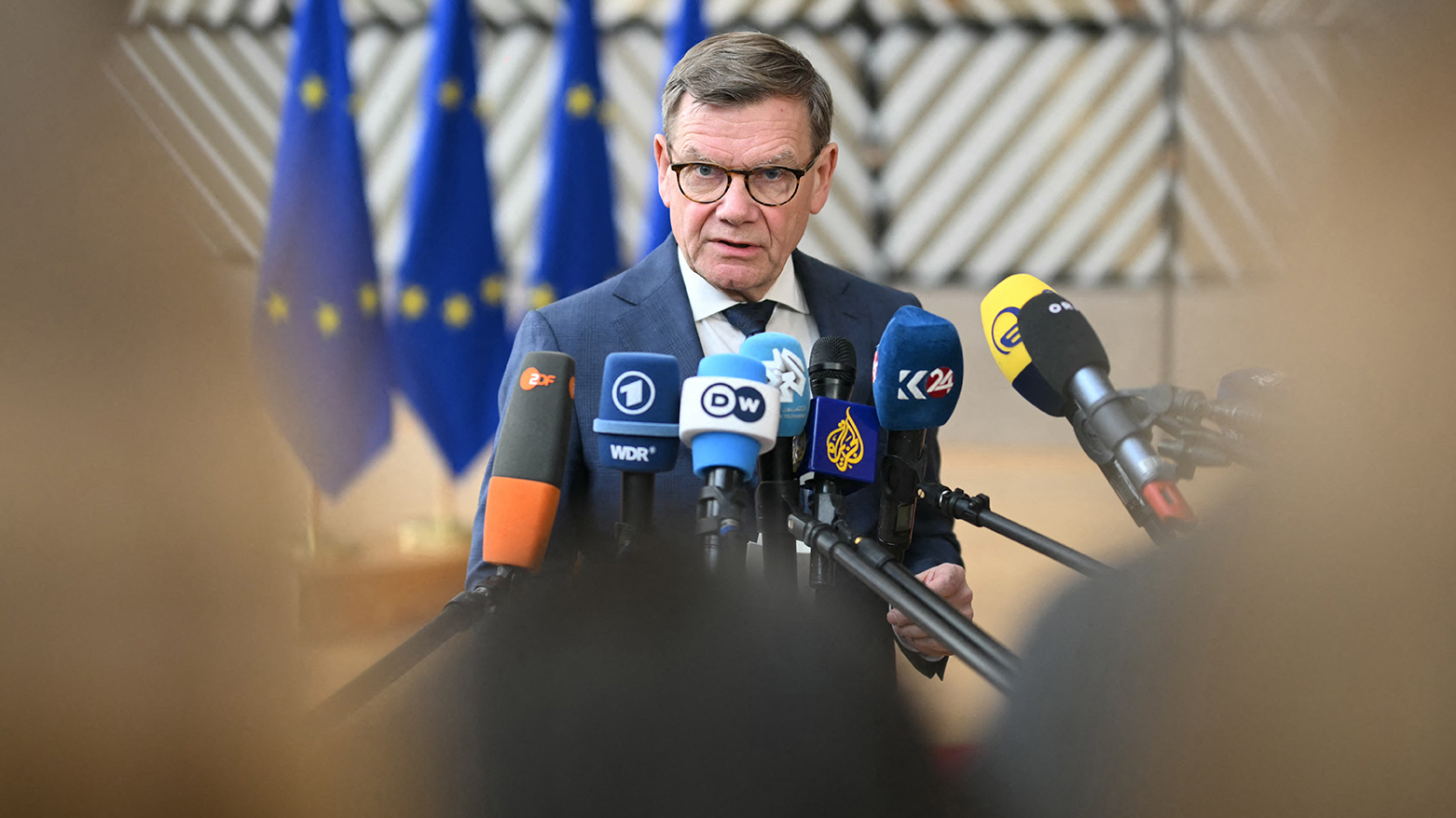
Germany’s Federal Minister for Foreign Affairs, Johann Wadephul, said European governments are monitoring the effects of the conflict on international markets and emphasized that any sustainable resolution to the situation would require diplomatic negotiations involving regional actors.
“No, of course, we, we do see the repercussions and the effects that, that we see not only in the German or the European markets,” Wadephul said in response to a question about whether Europe is already facing an energy crisis. “So we are still working on a solution, which only could come to a sustainable situation in that region through negotiations, which includes the neighboring countries, but ultimately, of course, also Iran.”
Wadephul added that a political process could only advance once the United States and Israel determine that their military objectives in the conflict have been achieved. “We will come to that stage as soon as the United States of America and Israel have defined that they have achieved their military goals,” he said. “But we are not there currently. But we expect from the United States and Israel to inform us, to include us into what they are doing there and to tell us if these goals are achieved.”
His remarks reflect broader European efforts to maintain communication with key partners while monitoring the economic effects of the war, particularly in global energy markets.
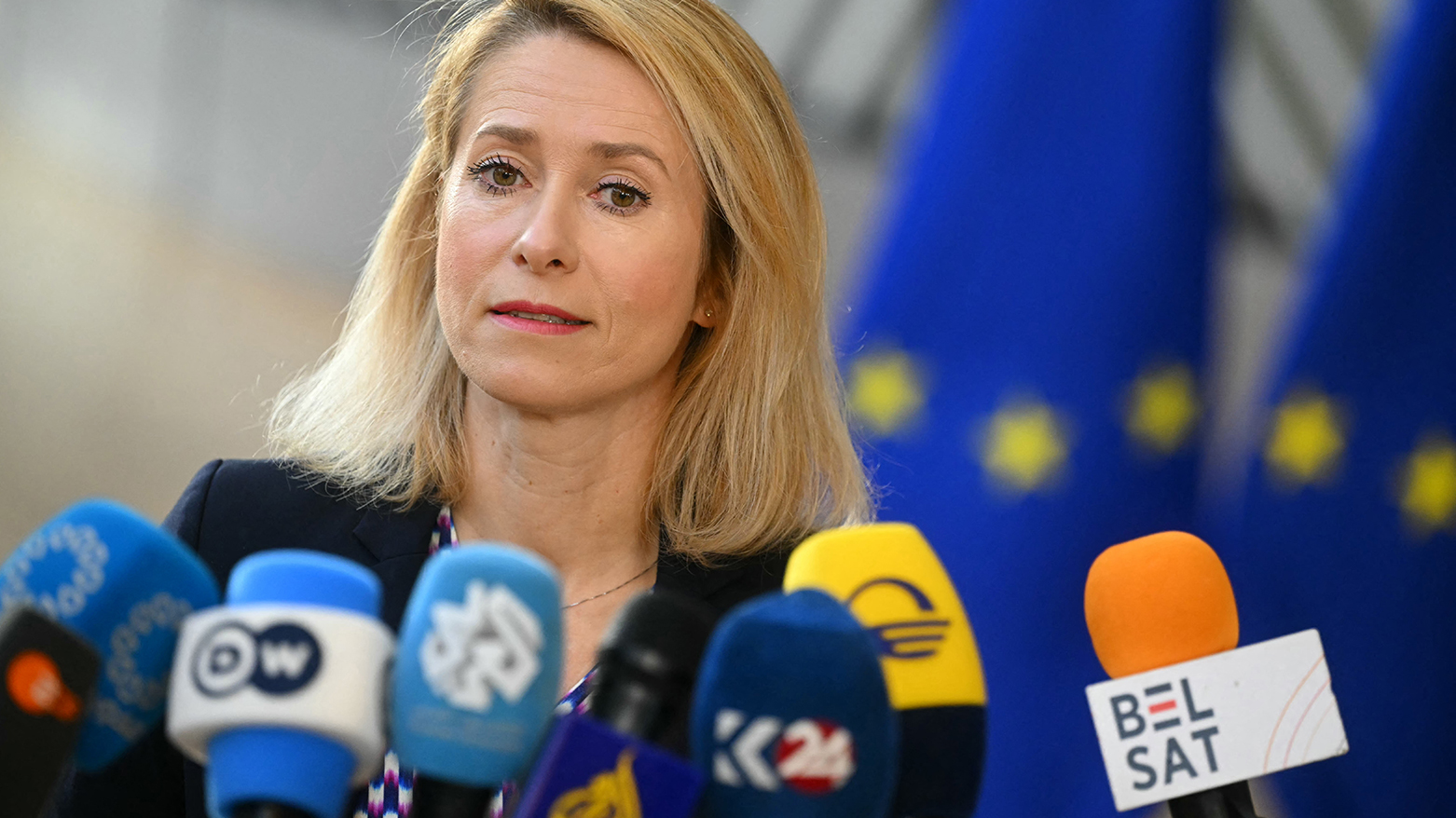
The European Union’s foreign policy chief, Kaja Kallas, also addressed concerns about rising oil prices and supply stability in response to a question about the availability of energy and fuel across Europe.
“Well, it is clearly affecting the overall oil price in the market,” Kallas said. “So it raises the prices. That's very clear.”
Kallas noted that while European countries are not heavily dependent on energy supplies directly originating from the region involved in the conflict, global energy markets remain interconnected, meaning disruptions in one area can affect prices worldwide.
“Even if we are not so much dependent on these sources that come from the region,” she said, “these are all global issues. So of course we are very concerned.”
She added that European institutions are examining possible responses to mitigate price pressures and ensure stability in energy markets. Kallas said discussions are taking place in parallel meetings of European energy ministers.
“At the same time when we have the FAC, there's also the meeting of energy ministers, and I was in contact also with the energy commissioner that what can we do in this regard to actually keep the oil price on the global market down because it affects everything,” she said.
The comments from European officials come amid growing international concern about the potential impact of the conflict on global oil supply routes, particularly following the closure of the Strait of Hormuz, one of the most important maritime chokepoints for global energy trade.
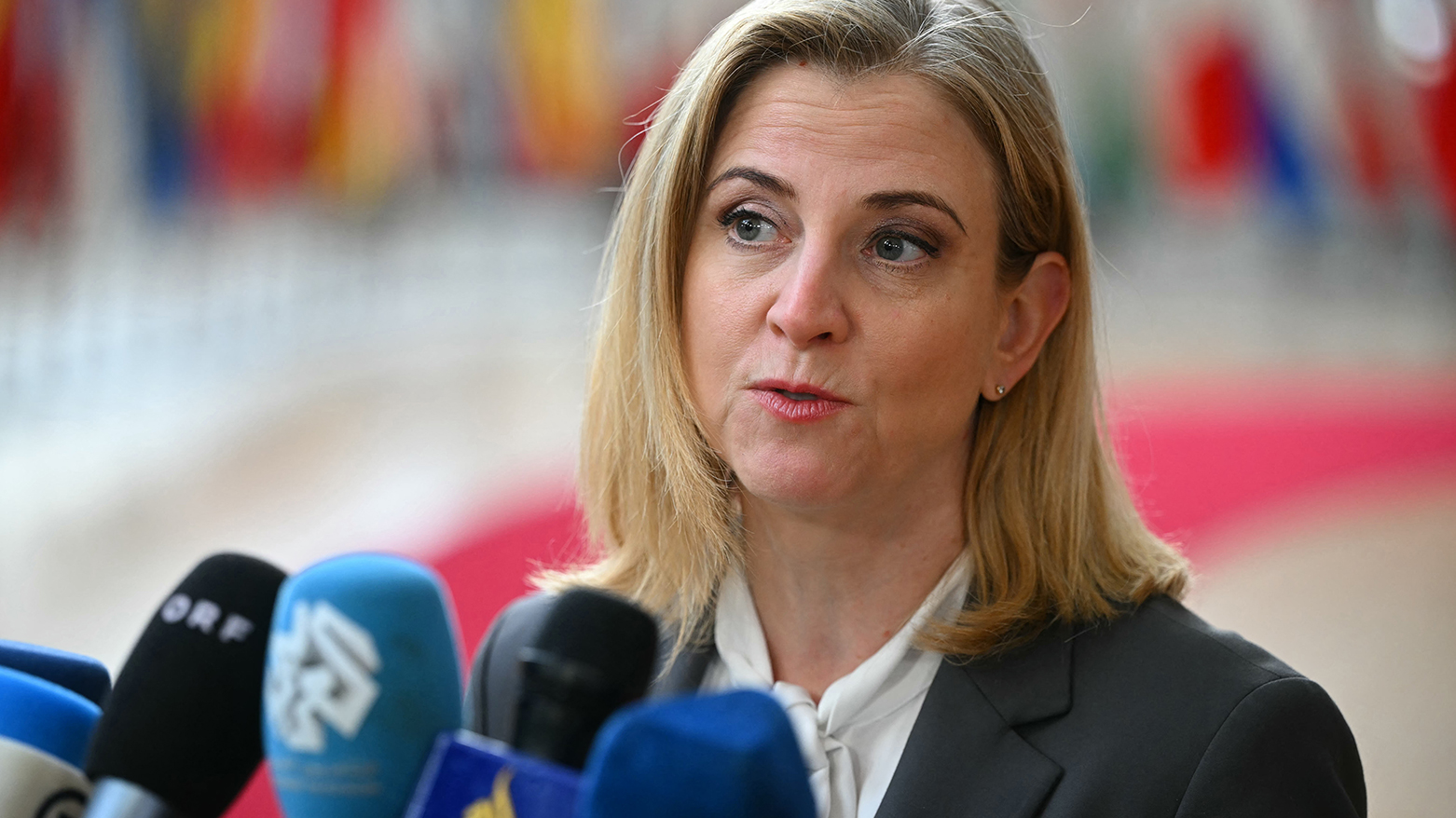
Austria’s Foreign Minister Beate Meinl-Reisinger said the risk of a major energy crisis had been foreseeable from the outset of the conflict, particularly given the strategic role of the Strait of Hormuz in transporting global energy supplies.
“Well, listen, I am as concerned as I have been three weeks ago, because it was very clear from the beginning that if you go on a war with Iran, this could be an outcome,” Meinl-Reisinger said. “The blockade of the Strait of Hormuz leading to a massive energy crisis and price crisis.”
She noted that a significant share of global crude oil flows through the narrow waterway connecting the Persian Gulf to international markets.
“You don't have enough oil on the worldwide energy market for the moment,” she said. “Twenty percent of crude oil is coming out of this area. It has to go through this passage of the Strait of Hormuz.”
Meinl-Reisinger added that the same transit route is also crucial for shipments of liquefied natural gas (LNG), which are used widely in global energy supply chains.
“The same applies to LNG,” she said, noting that disruptions could also have broader economic consequences beyond the energy sector, including implications for food security.
She pointed to recent oil market developments as evidence of the impact of the conflict, noting that global oil prices had already risen above $100 per barrel.
“So what we see now, or what we're seeing right now, price is above $100 per barrel. I think this is just the beginning,” she said.
Meinl-Reisinger also referenced the release of crude oil from emergency reserves coordinated by the International Energy Agency in an attempt to stabilize global supply.
“We just released 400 million barrels of crude oil last week,” she said, adding that the move had limited immediate impact on global prices.
“And you could see that it had almost no effect on the prices,” she said.
According to Meinl-Reisinger, the most effective way to reduce market pressure would be the restoration of normal energy flows through the Strait of Hormuz and the end of the conflict that has disrupted shipping routes.
“The only thing that would lead to some effect would be to stop the war to be able to again have production and then a free passage of the Strait of Hormuz,” she said.
She also warned that the current situation could develop into a broader energy crisis if disruptions persist.
“I am personally quite afraid that what we've seen in '22 is only a little bit compared to what could be the energy crisis we are facing now with that blockade of the Strait of Hormuz,” Meinl-Reisinger said.
The Austrian minister added that European governments are examining collective measures to maintain energy supplies and stabilize prices for consumers and businesses.
“That’s why I say we need to end this war,” she said. “We need to find diplomatic ways to end this war and to find solutions to the nuclear program, to the end of the blockade of the Strait of Hormuz.”
She added that European policymakers are considering coordinated tools to maintain supply levels and control price volatility.
“We have to find common toolboxes and approaches by the European Union to make sure that we have enough energy supply, that means crude oil, that means derivatives, that means LNG, and to stabilize the prices in Europe for households, for private persons, as well as for businesses,” Meinl-Reisinger said.
European officials’ remarks reflect mounting attention within the EU to the economic consequences of the conflict, particularly as global oil prices respond to disruptions affecting one of the world’s most critical energy transport corridors.
The statements were delivered following questions from Kurdistan24’s correspondent during discussions focused on the wider geopolitical and economic consequences of the ongoing war.