EU Urges Halt to Strikes on Energy and Water Infrastructure Amid Escalating Middle East Conflict
EU urges halt to strikes on energy and water facilities, calls for de-escalation, and warns of regional instability, economic risks, and security threats amid escalating Middle East conflict.
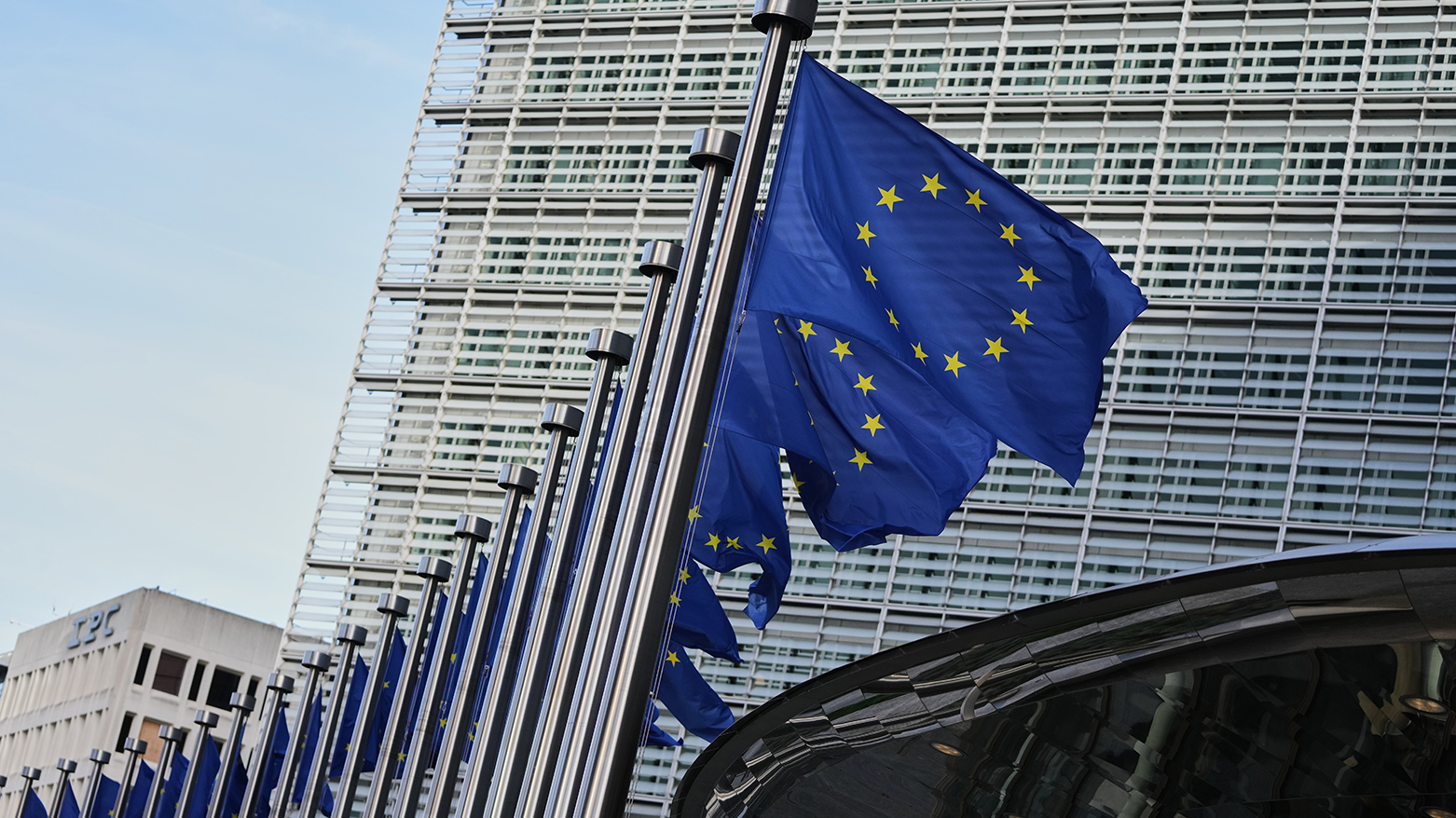
ERBIL (Kurdistan24) - As hostilities intensify across the Middle East, the European Union has issued a firm call to shield civilian infrastructure, warning that continued escalation threatens both regional and global stability.
In its latest conclusions, the European Council stressed that developments in Iran and the wider region pose a serious risk to security, urging all parties to exercise maximum restraint and adhere fully to international law.
The Council called explicitly for a moratorium on strikes targeting energy and water facilities, emphasizing the need to protect civilians and civilian infrastructure. It also deplored the loss of civilian life and said it is closely monitoring the far-reaching impact of the conflict, including its effect on economic stability.
At the same time, the European Council strongly condemned what it described as Iran’s indiscriminate military strikes against countries in the region, expressing solidarity with affected states and calling on Iran and its proxies to immediately cease such attacks. It urged respect for sovereignty and territorial integrity in line with United Nations Security Council Resolution 2817.
The Council underlined the importance of coordinated international efforts to strengthen counter-drone and air defense capabilities, welcoming Ukraine’s readiness to provide support and expertise to Gulf countries.
In response to the escalating situation, the European Union reaffirmed its commitment to supporting member states close to the region, including through the deployment of military assets in the eastern Mediterranean and in support of Cyprus. It also acknowledged Cyprus’ intention to open discussions with the United Kingdom regarding UK bases on the island.
The European Council further highlighted the need to safeguard regional airspace, ensure maritime security, and protect freedom of navigation, condemning any actions that threaten vessel movement, particularly in the Strait of Hormuz.
It pointed to the role of EU maritime operations, including EUNAVFOR ASPIDES and EUNAVFOR ATALANTA, calling for their reinforcement with additional assets. Member states were also noted to be increasing coordination with regional partners to maintain safe passage through the Strait of Hormuz once conditions allow.
The European Union said it is taking all necessary measures to protect its citizens in the region, including facilitating safe departures, while continuing to work with global and regional partners to counter the broader impact of the conflict.
The Council also tasked the European Commission with assessing the implications of recent developments on energy security, prices, supply chains, and migration, while urging enhanced coordination at the EU level, including on internal security.
Although the conflict has not yet triggered immediate migration flows toward Europe, the European Council stressed the need for vigilance and preparedness, drawing on lessons from the 2015 migration crisis. It stated that the EU is ready to mobilize diplomatic, legal, operational, and financial tools to prevent uncontrolled migration and maintain security across its external borders.
Diplomatically, the European Union reiterated its readiness to support efforts aimed at de-escalation and achieving a lasting resolution, including preventing Iran from acquiring a nuclear weapon and addressing its ballistic missile program. It also urged Iran to resume full cooperation with the International Atomic Energy Agency and comply with its obligations under the Non-Proliferation Treaty.
The Council further called on Iranian authorities to cease violence and repression against their population, emphasizing the importance of respecting human rights and fundamental freedoms.
The European Council also expressed deep concern over rising hostilities in Lebanon, highlighting their severe impact on civilians, including large-scale displacement and loss of life. It called for de-escalation, protection of civilians, and full respect for international law.
The EU reaffirmed its support for Lebanon, its authorities, and its people, pledging to draw on emergency reserves to assist affected civilians while supporting the country’s sovereignty and state-building efforts.
It strongly condemned Hezbollah’s attack on Israel in support of Iran and urged an immediate halt, while welcoming the Lebanese authorities’ decision to ban Hezbollah’s military activities and supporting efforts to strengthen the Lebanese Armed Forces.
The Council reiterated calls for full implementation of the Nov. 27, 2024 ceasefire agreement and United Nations Security Council Resolution 1701, urging all sides to avoid further escalation and ensure civilian protection.
It also reaffirmed its support for the United Nations Interim Force in Lebanon (UNIFIL), condemning attacks against its personnel and calling for a thorough investigation, stressing that such actions constitute a grave violation of international law.
As the conflict continues to expand across multiple fronts, the European Union’s position underscores mounting concern over the protection of civilians, the stability of global markets, and the risk of further escalation.