German Chancellor Warns Regime Change in Iran will Never Succeed
German Chancellor Friedrich Merz warned regime change in Iran would fail, criticizing the lack of US-Israel strategy and urging diplomacy amid economic and political repercussions.
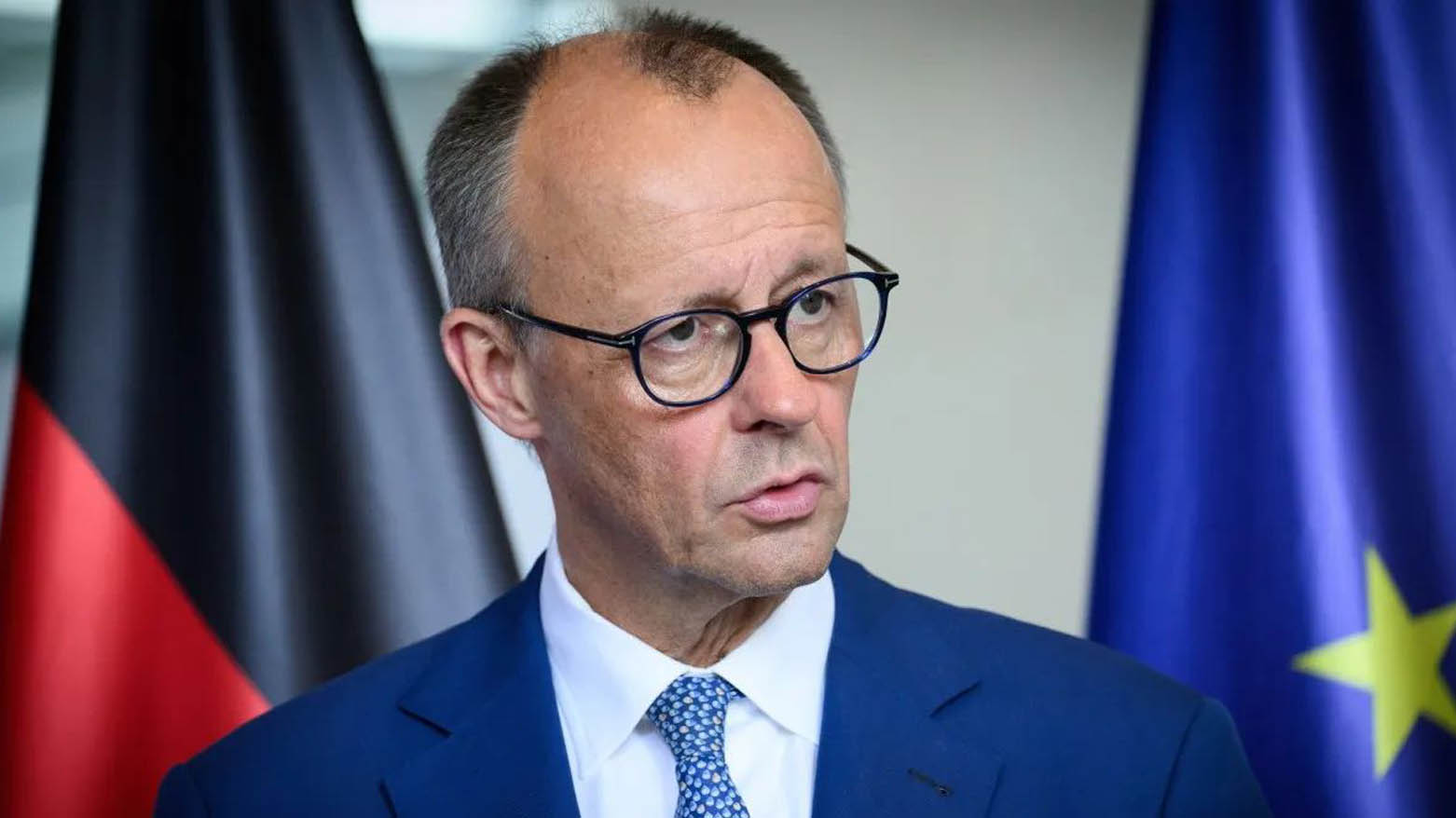
ERBIL (Kurdistan24) - A stark warning from Berlin has cast fresh doubt on the trajectory of the escalating confrontation with Iran, as a senior German Chancellor dismissed the viability of regime change and questioned the strategic direction of Washington and Tel Aviv.
On Friday, Friedrich Merz, a German Chancellor, delivered sharp criticism of what he described as the absence of a clear post-war strategy by the United States and Israel in their confrontation with Iran.
“Based on what we have heard so far, the US and Israel have no clear strategy for what comes after the war,” he said, raising a central question: “Is their goal truly regime change? If that is the case, I do not believe it will ever be achieved.”
Merz pointed to the historical record of the US Central Intelligence Agency (CIA), stating: “Over the past several decades, there has been only one successful regime change attempt, in Panama. Most other efforts, such as Afghanistan after 20 years of war, merely replaced one ruling authority with another.” He stressed that a stable future for nations cannot be determined through bombs and war.
He also highlighted the economic and political repercussions of the conflict, referring to declines in US stock markets and growing dissatisfaction within the Republican Party, which he said has prompted US President Donald Trump to step back from some of his threats.
Merz added that European countries have sent a clear message to Washington, warning that any aggression targeting shared interests or disrupting international trade would carry serious consequences.
He reaffirmed that Germany and its European allies will continue to push for a diplomatic solution, emphasizing that the continuation of what he described as a purposeless war would not only destabilize the region but could drive the entire world toward a deeper economic and security crisis.