Iran Says US Agreed to Release Frozen Assets as Islamabad Nuclear Talks Advance
Iran said the United States agreed to release frozen assets as nuclear talks continued in Islamabad under Pakistani facilitation.
ERBIL (Kurdistan24) - A senior Iranian source said on Saturday that the United States has agreed to release frozen Iranian assets held in Qatar and other foreign banks, describing the move as a sign of “seriousness” in ongoing negotiations in Islamabad over Tehran’s nuclear program, according to reporting by Reuters.
The claim comes as Iranian and U.S. delegations hold direct talks in Pakistan’s capital amid parallel diplomatic and technical discussions tied to efforts to revive a broader nuclear understanding.
The Iranian source, who spoke to Reuters on condition of anonymity due to the sensitivity of the matter, said the unfreezing of assets was “directly linked to ensuring safe passage through Strait of Hormuz,” identifying maritime security as a central issue in the negotiations.
The same source said the step was welcomed by Tehran as an indication of Washington’s willingness to advance toward a deal. The United States has not issued any public comment on the reported agreement to release Iranian funds, according to Reuters.
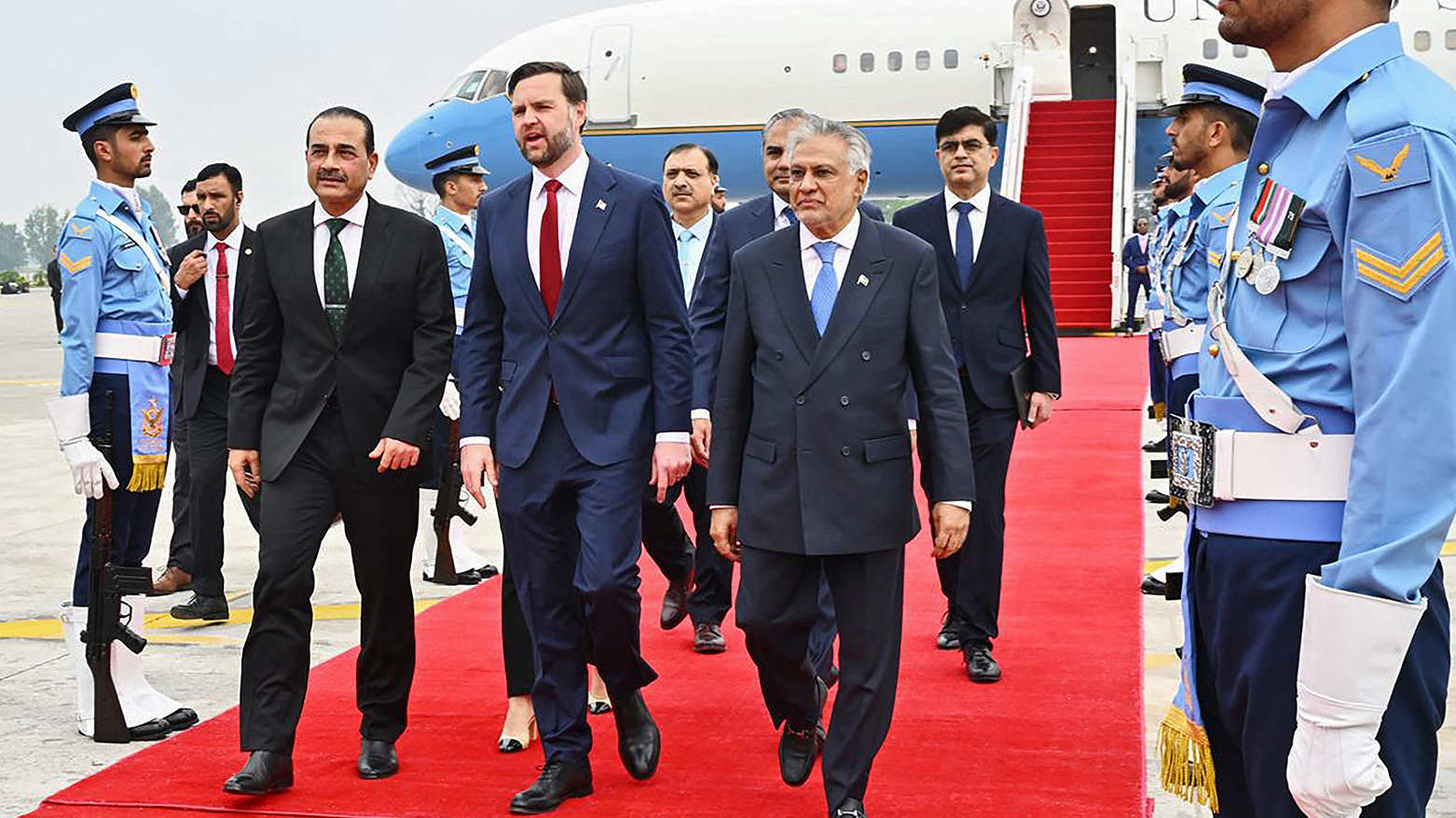
The reported development comes as Iranian Foreign Minister Abbas Araghchi said Tehran is entering the negotiations under conditions of “complete mistrust” toward other parties, according to a press statement issued on Saturday.
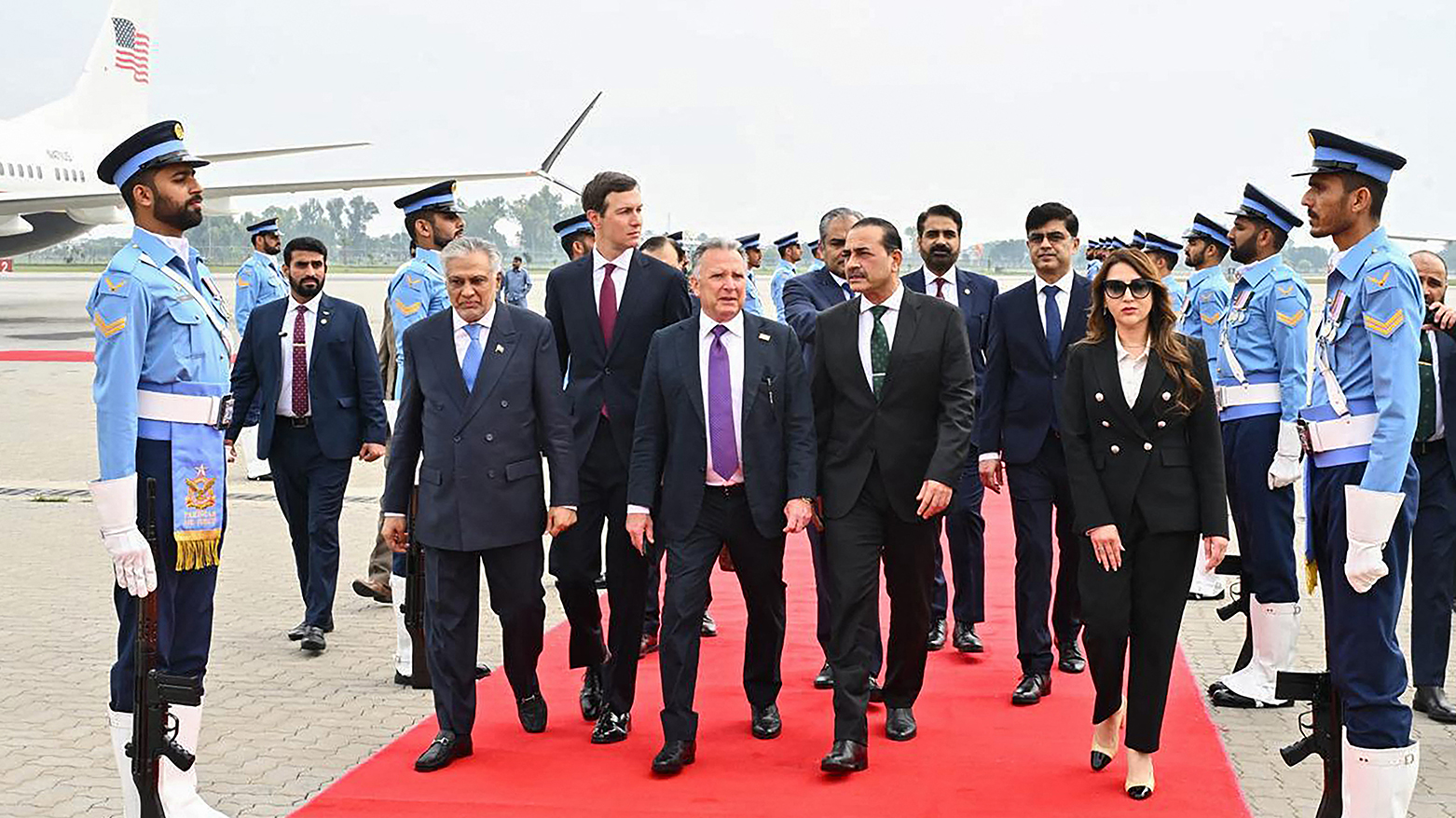
His remarks coincided with the start of direct talks between Iranian and U.S. delegations in Islamabad, which mark a shift from earlier indirect diplomatic formats used in previous rounds of negotiations over Iran’s nuclear program.
The talks are being held in Islamabad under the facilitation of Pakistani authorities, who have positioned themselves as hosts for direct engagement between the two sides, according to background reporting from the negotiations.
Officials have described the current round as taking place after more than 40 days of conflict, threats, and a recently announced ceasefire, although no formal agreement has been publicly confirmed regarding the broader diplomatic framework.
According to Reuters, the Iranian source linked the potential unfreezing of assets in Qatar and other jurisdictions to the Strait of Hormuz, a critical maritime route expected to feature prominently in the negotiations. The same source said the financial measures were being viewed in Tehran as part of broader discussions involving security arrangements and economic guarantees.
No confirmation has been provided by U.S. officials regarding any such linkage between financial assets and maritime conditions.
The diplomatic engagement in Islamabad follows earlier preliminary discussions between Iranian officials and Pakistan’s leadership.
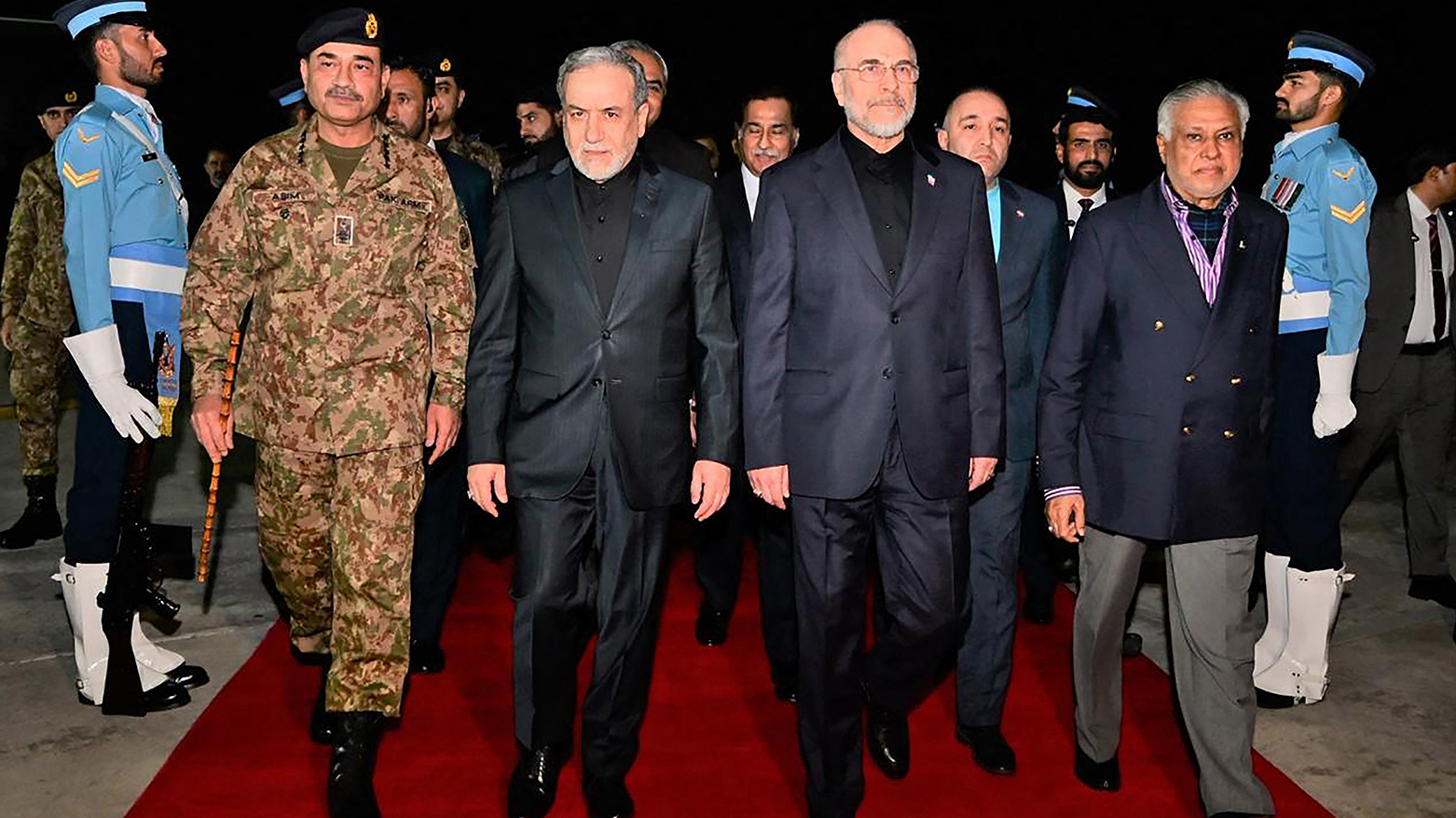
According to reporting by Tasnim News Agency cited in background material, an Iranian delegation met Pakistani Prime Minister Shehbaz Sharif earlier on Saturday before scheduled talks with U.S. representatives. The discussions reportedly focused on issues raised by Tehran regarding compliance with previous commitments and conditions for entering negotiations.
Iranian officials, according to the same reporting, have set out conditions for engagement that include the cessation of hostilities in Lebanon and the release of Iranian financial assets held abroad. The agency said U.S. officials had communicated acceptance of conditions necessary to begin talks, although implementation of some elements remained incomplete at the time of reporting.
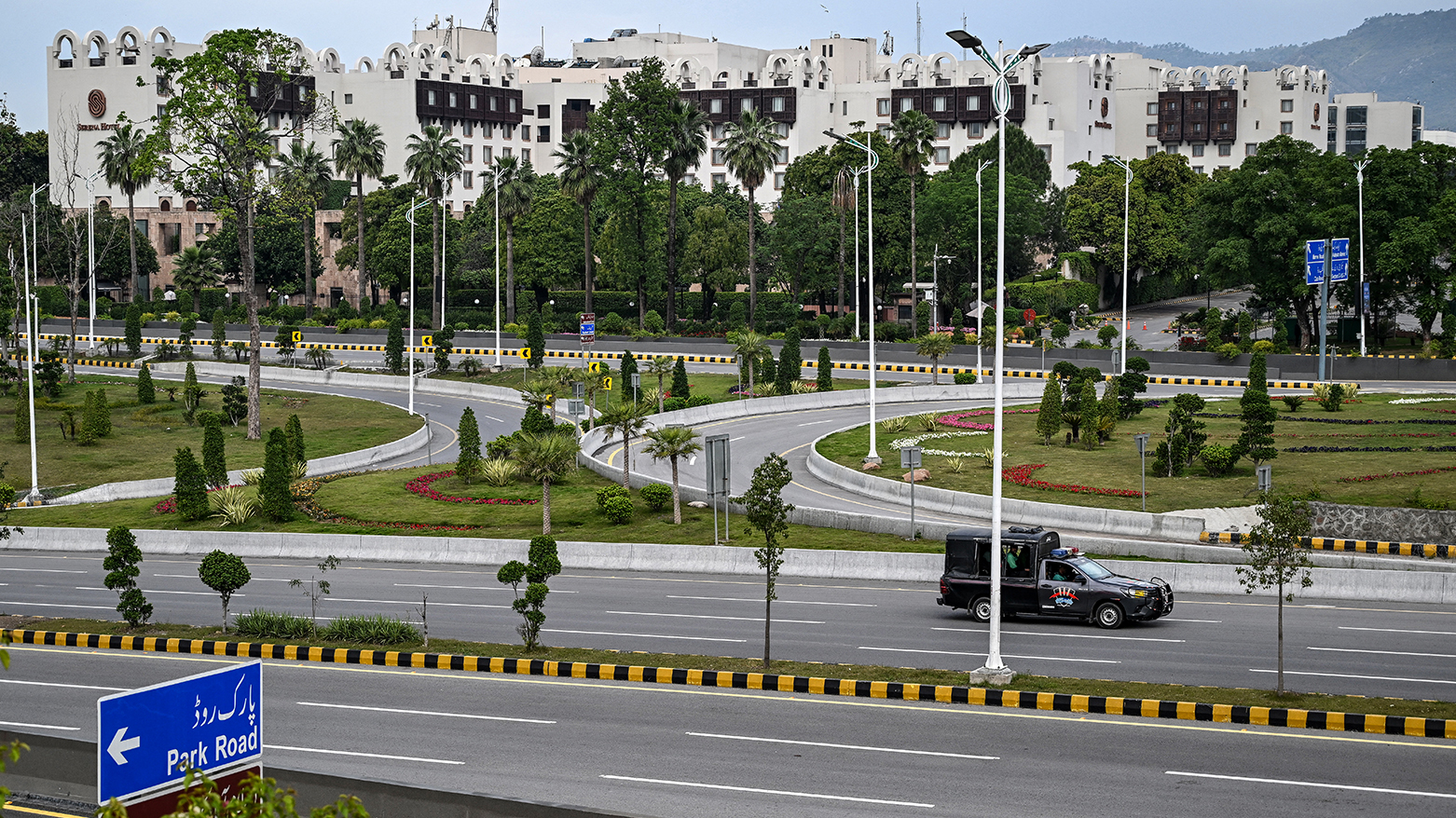
The current negotiations are taking place in Islamabad at a secured diplomatic venue designated for the delegations. Background reporting indicated that Pakistani authorities cleared the Serena Hotel of guests and established a controlled perimeter around the site to accommodate the talks.
The facility, which contains 334 rooms and 53 suites, has been placed under heightened security, with a perimeter of approximately three kilometers and expanded surveillance measures implemented by local authorities.
The shift to direct negotiations marks a procedural change in the diplomatic process. According to background reporting, earlier efforts to engage on Iran’s nuclear program relied heavily on intermediaries, while the current format allows face-to-face discussions between Iranian and U.S. delegations. Officials have said the objective is to address both immediate tensions and longer-term issues related to Iran’s nuclear activities, although no formal agenda has been released.
The International Atomic Energy Agency continues to monitor unresolved technical matters linked to Iran’s nuclear program, including uranium enrichment levels and verification mechanisms, according to background material. These issues remain central obstacles in efforts to reach a renewed agreement and have contributed to the stagnation of previous diplomatic initiatives.
The broader context of the negotiations includes a history of repeated breakdowns in nuclear diplomacy. Earlier agreements faced disputes over compliance and enforcement, while subsequent efforts to revive them have been hindered by disagreements among parties involved. These unresolved issues continue to shape the structure of the current discussions in Islamabad.
Prior to the talks, U.S. President Donald Trump stated that Iran’s leverage was limited beyond what he described as short-term pressure on international waterways, according to background reporting. He also made remarks suggesting that ongoing negotiations had influenced the survival of Iranian officials, though no formal connection between such statements and the talks has been established by participating delegations.
Within Iran, Foreign Minister Araghchi’s statement emphasizing “complete mistrust” reflects longstanding concerns over previous diplomatic commitments, according to the same background reporting. Iranian officials have repeatedly referenced disputes over earlier agreements and implementation gaps as central factors influencing their negotiating position.
Pakistan’s role as host has extended beyond logistical support to facilitating direct communication between the parties. Officials have presented Islamabad as a neutral venue capable of sustaining engagement between delegations with a history of strained relations. The hosting arrangement, combined with strict security measures and restricted access to the venue, underscores the sensitivity of the diplomatic process.
The presence of both delegations in the same location represents the first direct engagement of its kind since the recent escalation of conflict, according to background reporting. Officials have indicated that discussions remain ongoing and that further meetings may take place depending on the progress of current negotiations.
While no official outcome has been announced, the convergence of diplomatic, financial, and technical issues in the Islamabad talks highlights the complexity of the process. The reported linkage between frozen assets and maritime security adds an economic dimension to negotiations that already include unresolved nuclear verification questions and broader geopolitical concerns.
No formal statement has been issued by the United States confirming the reported agreement on Iranian assets. Iranian and U.S. delegations continue their discussions in Islamabad under Pakistani facilitation, according to the reports.