China Rejects US Reports on Arms Transfers to Iran as ‘Baseless Smears’ Amid Rising Tensions
Beijing denies allegations of supplying weapons to Tehran, as US intelligence claims and Trump’s tariff warning escalate geopolitical tensions
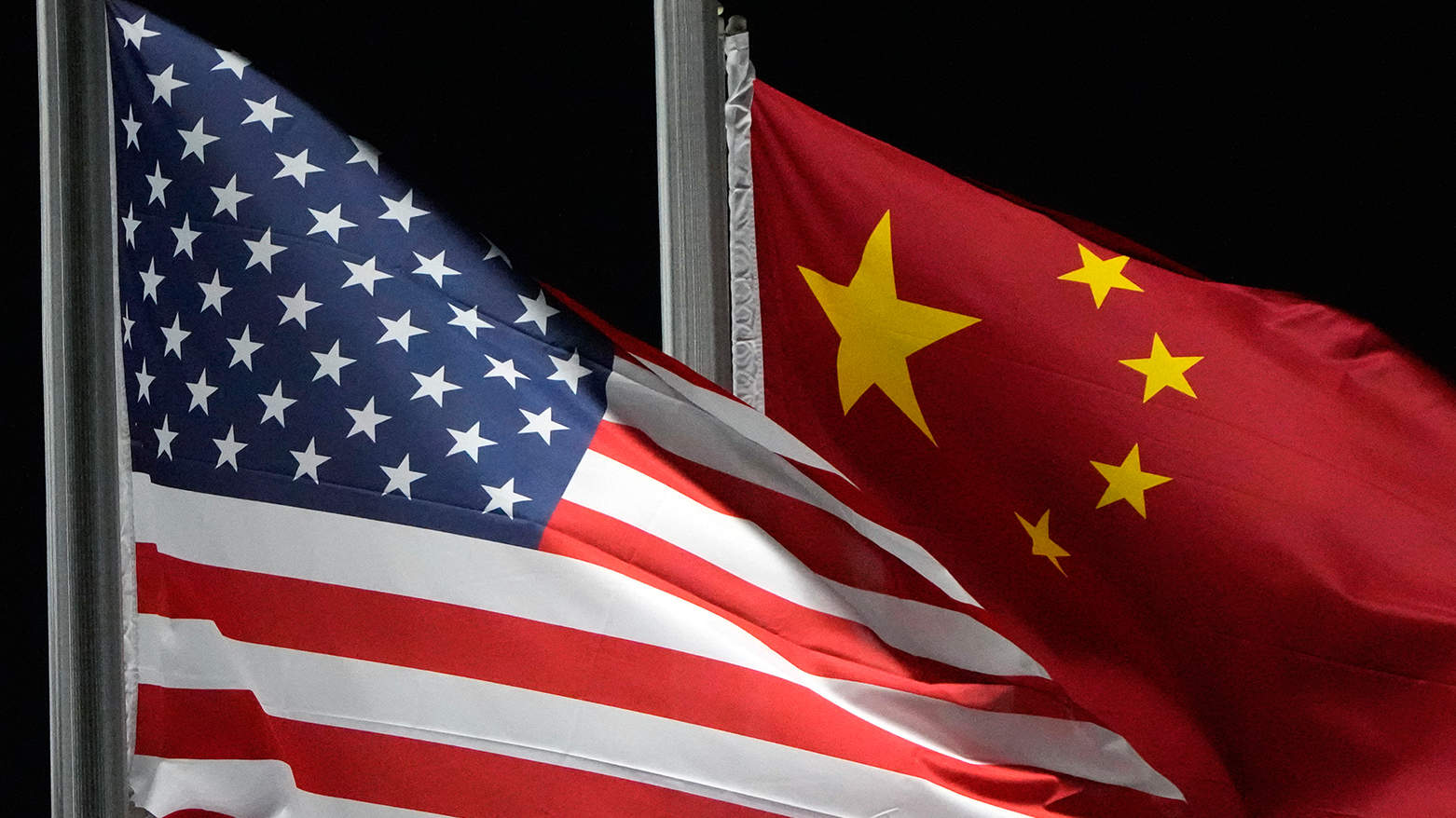
ERBIL (Kurdistan24) — China on Monday firmly rejected reports alleging that it has supplied or intends to supply weapons to Iran, calling the claims “baseless smears” after US media outlets cited intelligence assessments suggesting possible military transfers.
The denial came after US President Donald Trump warned over the weekend that Beijing could face a “staggering” new tariff of 50 percent if it were to provide military assistance to Tehran, further escalating tensions between the two major powers.
The controversy follows reporting by CNN on Sunday, which cited US intelligence sources as saying China was preparing to deliver new air defense systems to Iran within weeks. The report referenced three individuals familiar with the assessments.
Separately, The New York Times reported that US officials believed intelligence suggested Beijing may have already shipped shoulder-fired missiles to Iran, though these claims have not been independently verified.
In response, China’s Foreign Ministry rejected the allegations outright, insisting it maintains strict controls over military exports and complies with international obligations.
“China has always adopted a cautious and responsible attitude towards the export of military items, implementing strict controls in accordance with its own export control laws and regulations and its international obligations,” Foreign Ministry spokesperson Guo Jiakun said at a regular briefing.
“We oppose baseless smears or malicious association,” he added.
China remains one of Iran’s most important economic partners, purchasing the majority of its crude oil exports and sustaining a key trade relationship that has deepened despite Western sanctions on Tehran.
However, the two countries do not maintain a formal military alliance, and analysts widely characterize their relationship as pragmatic and transaction-based rather than strategic or defensive in nature.
At the same time, Beijing has maintained significant economic ties with Gulf Arab states and has at times criticized Iranian attacks on regional energy infrastructure during periods of heightened conflict, reflecting its broader interest in preserving regional stability for energy security.
The latest exchange highlights growing geopolitical friction as competing narratives over arms transfers, sanctions, and regional alignments continue to intensify amid wider instability in the Middle East.
In a related development, separately, China said on Monday it hoped the United States and Iran would not reignite the Middle East war, after talks between Tehran and Washington in Pakistan failed to deliver a deal.
China urged restraint from all sides, calling for renewed diplomatic engagement between Washington and Tehran following the collapse of recent talks mediated in Pakistan.
Foreign Ministry spokesperson Guo Jiakun said Beijing hopes both countries will “abide by the temporary ceasefire agreement, continue resolving disputes through political and diplomatic means, avoid reigniting war, and create conditions for an early return to peace and tranquility in the Gulf region.”
The diplomatic fallout comes as European economies begin warning of long-term economic strain from the ongoing crisis. German Chancellor Friedrich Merz said the impact of the Middle East conflict and its effect on global energy markets will persist even after hostilities subside.
“We will continue to feel the consequences of this war for a long time to come, even after it is over,” Merz said, as Berlin announced relief measures including fuel tax cuts to cushion rising costs.
The U.S. Central Command (CENTCOM) on Monday announced it will begin enforcing a maritime blockade on all ships entering or exiting Iranian ports starting April 13 at 10 a.m. ET, following a presidential directive, marking a significant escalation in tensions between Washington and Tehran.
According to the statement issued from Tampa, Florida, the blockade will apply to vessels of all nationalities operating in Iranian territorial waters, including ports along the Arabian Gulf and the Gulf of Oman.
CENTCOM emphasized that enforcement will be carried out “impartially,” signaling a broad operational scope that could disrupt commercial shipping linked to Iran.
However, U.S. forces clarified that the blockade will not interfere with international navigation through the Strait of Hormuz, a critical global oil transit chokepoint through which a substantial portion of the world’s energy supply flows.
Ships transiting to and from non-Iranian ports will be allowed to pass without obstruction.