Pakistan Delegation Arrives in Tehran as Iran Signals Continued Talks After Failed US Negotiations
According to posts on Araghchi’s official Telegram channel, the Pakistani delegation arrived in Tehran for discussions, with images showing the Iranian minister receiving Munir.
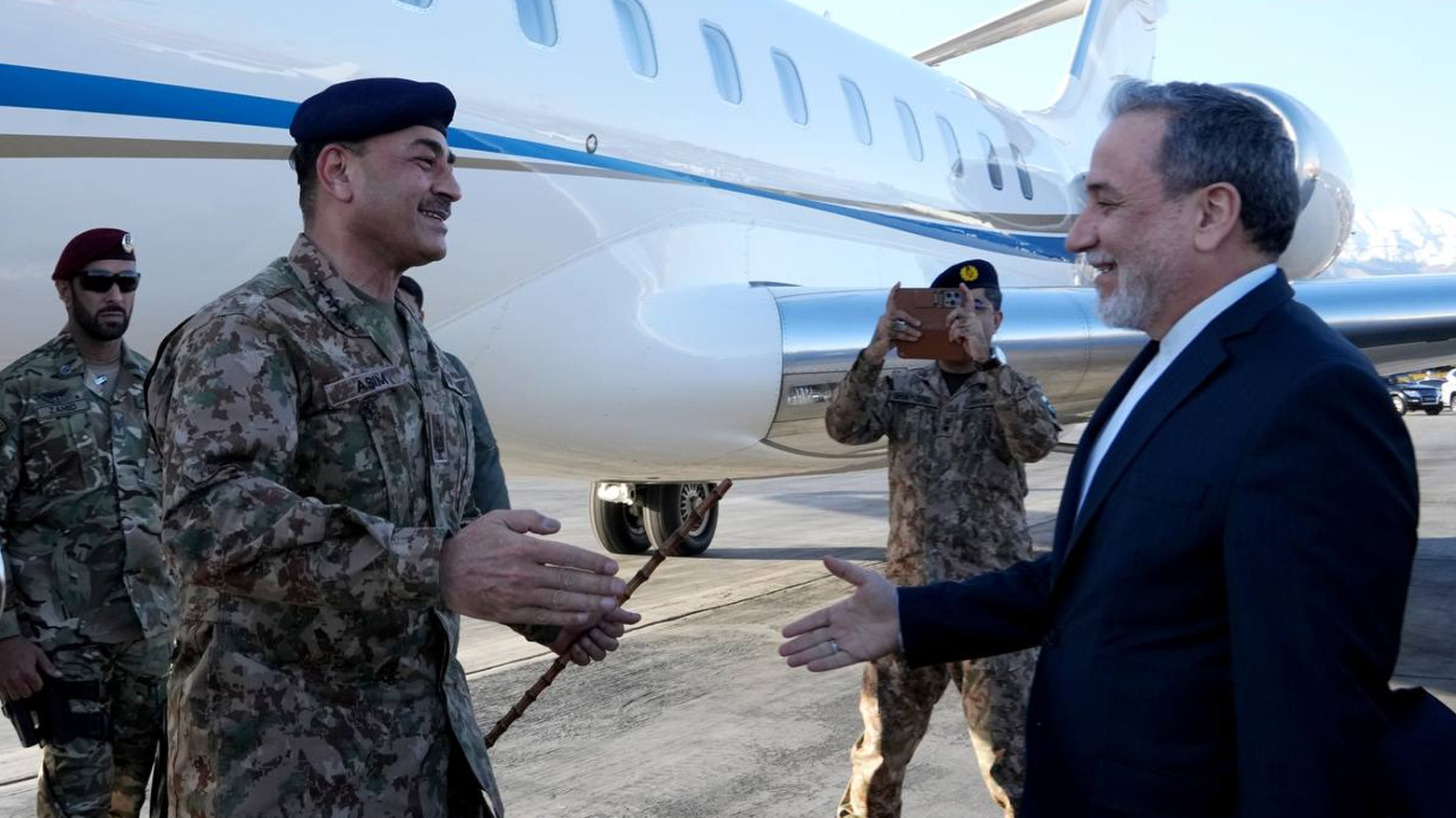
ERBIL (Kurdistan24) — Iran’s Foreign Minister Abbas Araghchi welcomed a high-level Pakistani delegation on Wednesday led by army chief Asim Munir, as diplomatic efforts continue following unsuccessful US-Iran talks in Islamabad.
According to posts on Araghchi’s official Telegram channel, the Pakistani delegation arrived in Tehran for discussions, with images showing the Iranian minister receiving Munir. Pakistan’s military media wing confirmed the visit, noting that Interior Minister Mohsin Naqvi is also part of the delegation, which is engaged in ongoing mediation efforts.
Iranian state media reported that the delegation is expected to deliver a new message from Washington and discuss the possibility of a second round of negotiations. The diplomatic push comes days after talks between the United States and Iran in Islamabad failed to yield an agreement.
Foreign Ministry spokesperson Esmaeil Baqaei stated that Tehran and Washington have maintained indirect communication through Pakistan since the Iranian delegation returned from Islamabad.
“Several messages have been exchanged through Pakistan since Sunday,” Baqaei stated during a weekly press briefing, adding that Wednesday’s visit is part of ongoing discussions initiated in the Pakistani capital.
The earlier negotiations, held over the weekend, lasted approximately 21 hours and took place amid a fragile two-week ceasefire in the region. Vice President JD Vance led the US delegation, while Parliament Speaker Mohammad Bagher Ghalibaf headed Iran’s team.
Although no official details were released, US President Donald Trump later criticized Iran for refusing to reopen the Strait of Hormuz and for rejecting key demands related to its nuclear program.
Subsequent reports indicated that Washington proposed a 20-year suspension of Iran’s uranium enrichment, while Tehran countered with a five-year pause—an offer reportedly rejected by US officials.
Baqaei described some US demands as “unreasonable and unrealistic,” reiterating Iran’s stance that its right to peaceful nuclear energy cannot be compromised. He added that while enrichment levels remain negotiable, Iran insists on maintaining its nuclear activities in line with national needs.
He also condemned a US naval blockade on Iranian ports imposed earlier this week, asserting that such measures “will not succeed” and emphasizing that Iran would not enter negotiations solely to accept American conditions.