Iran Claims First Revenue from Hormuz Tolls as Maritime Standoff Deepens
Deputy Parliament Speaker Hamidreza Hajibabaei confirms funds deposited into Central Bank, without detailing scale or mechanism
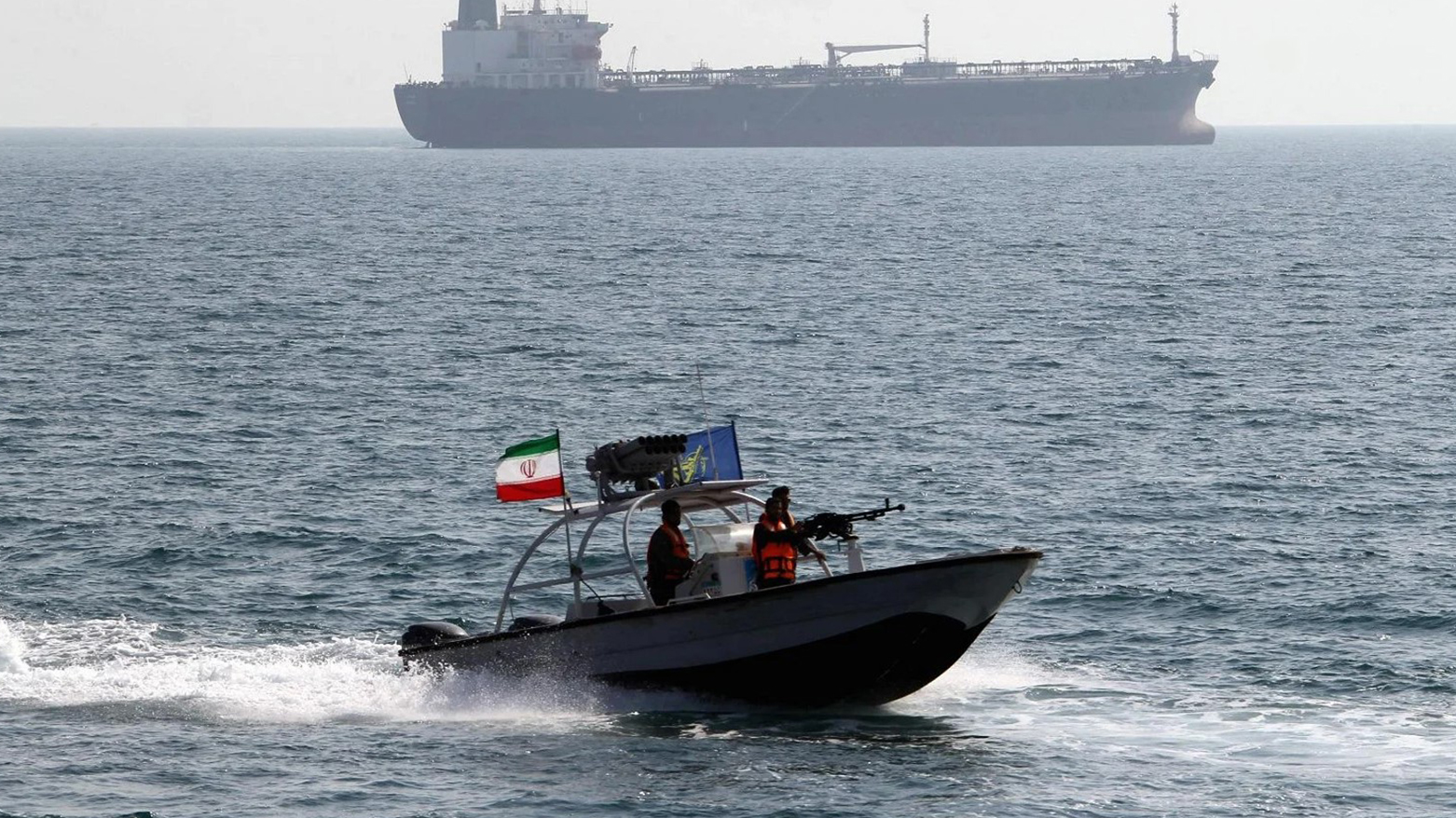
ERBIL (Kurdistan24) — Iran has begun collecting revenue from newly imposed tolls in the strategic Strait of Hormuz, a senior parliamentary official said Thursday, as tensions in the vital maritime corridor continue to escalate despite an ongoing ceasefire with the United States.
Deputy Parliament Speaker Hamidreza Hajibabaei confirmed that the first payments had been deposited into the Central Bank, marking a new phase in Tehran’s efforts to leverage its geographic position amid the conflict.
Iranian state-affiliated media reported the development without providing further details on the scale or mechanism of the toll system.
The announcement follows a sharp escalation in maritime activity. Iranian forces fired on three commercial vessels in the Strait of Hormuz on Wednesday and seized two of them, according to multiple reports.
The incidents occurred shortly after U.S. President Donald Trump extended a ceasefire with Iran while maintaining a blockade targeting Iranian ports—a move aimed at sustaining pressure while leaving room for diplomacy.
The White House said the seizures did not violate the terms of the truce, noting that the vessels involved were not American or Israeli. Press Secretary Karoline Leavitt emphasized that the ceasefire framework remains intact, even as maritime tensions persist.
The Strait of Hormuz, through which roughly 20 percent of global oil supply passes under normal conditions, has become a central flashpoint. The current standoff has severely curtailed shipping traffic, effectively choking off exports and driving energy prices higher worldwide.
Brent crude has surged above $100 per barrel, reflecting a sharp increase from pre-conflict levels, while the broader economic impact continues to unfold.
European officials have warned of sustained disruption. EU Energy Commissioner Dan Jørgensen said the crisis could cost Europe approximately €500 million daily, drawing comparisons to past global energy shocks.
Details surrounding the ship seizures highlight the growing risks to commercial navigation. The Liberian-flagged Epaminondas, managed by Technomar, was reportedly fired upon by an armed vessel near the coast of Oman, sustaining damage to its bridge.
Another cargo ship was halted after coming under fire, though no injuries were reported. Meanwhile, Panama condemned the seizure of the Panama-flagged MSC Francesca as a violation of maritime security.
Iranian media also reported that a third vessel, identified as the Euphoria, had been targeted after becoming stranded near the Iranian coast, though specifics remain unclear.
The maritime escalation appears to reflect a broader tit-for-tat dynamic. Iranian outlets indicated the seized vessels were being escorted to Iranian territory, following earlier U.S. actions against Iranian-linked ships as ceasefire talks were being prepared in Pakistan.
Data from energy analytics firm Vortexa indicates continued tanker activity despite the blockade, with dozens of sanctioned or Iran-linked vessels moving in and out of the Persian Gulf in recent days. However, uncertainty remains over whether these shipments are reaching global markets.
Diplomatic efforts to stabilize the situation remain stalled. Iranian officials have signaled reluctance to resume negotiations under current conditions. Parliament Speaker Mohammad Bagher Qalibaf stated that a full ceasefire would only be viable if the U.S. lifts its maritime restrictions, arguing that continued enforcement undermines trust.
Similarly, Foreign Ministry spokesperson Esmail Baghaei accused Washington of lacking good faith in negotiations, while other officials indicated that no delegation would return to talks in Pakistan unless the blockade is eased.
For its part, the U.S. military has continued enforcement operations. U.S. Central Command reported turning back more than 30 vessels attempting to transit the region since the blockade began, underscoring Washington’s determination to maintain pressure while avoiding direct escalation.
On the ground in Tehran, uncertainty remains high among residents, with many questioning whether the current ceasefire will hold or give way to renewed conflict.
As both sides navigate a fragile balance between deterrence and diplomacy, the Strait of Hormuz remains a critical pressure point—one with far-reaching implications for global energy markets and regional stability.