Iran Rejects Arab League Condemnation Over Regional Missile and Drone Strikes
Tehran has rejected an Arab League resolution condemning Iranian missile and drone strikes across the Middle East. While Arab ministers cited violations of international law and a 2026 UN mandate, Iran’s foreign ministry categorized the attacks as legitimate self-defense against U.S. aggression.
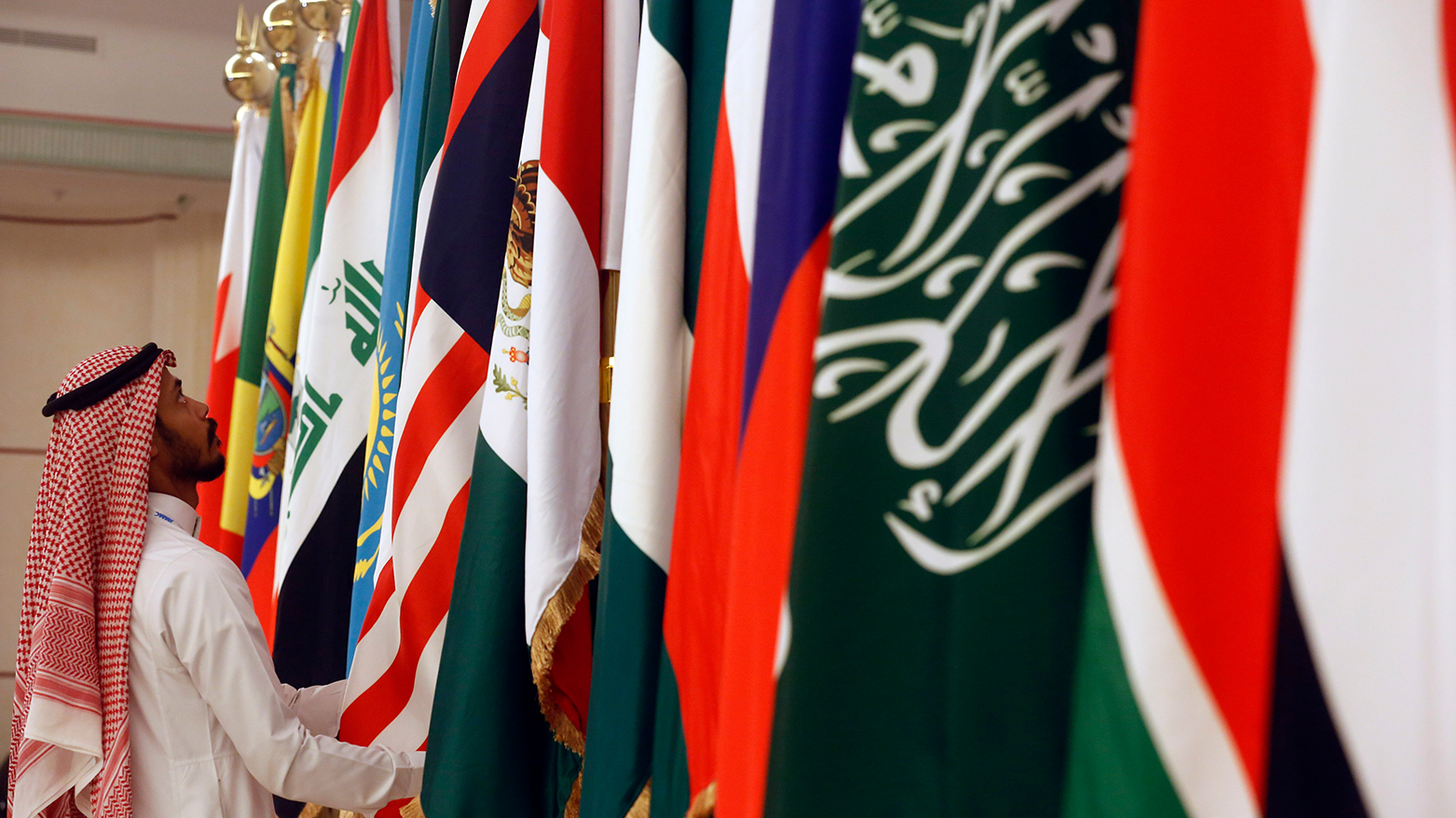
ERBIL (Kurdistan24) - The IRGC-affiliated Tasnim News Agency reported that the Iranian Ministry of Foreign Affairs has formally rejected a collective condemnation issued by Arab League foreign ministers, directly responding to a Saudi Press Agency report detailing a diplomatic resolution that accused Tehran of launching unlawful missile and drone attacks against multiple Middle Eastern nations.
Iranian Foreign Ministry spokesperson Esmaeil Baqaei dismissed the Arab League's declarations entirely, urging the regional organization to distance its policies from what he characterized as the unconstructive and unilateral positions of specific member states.
The diplomatic dismissal follows an extraordinary ministerial-level meeting of the Arab League Council, which convened via videoconference under the chairmanship of the Kingdom of Bahrain to address the recent escalations.
Addressing the military actions, Baqaei stated that the defensive measures executed by Iran against United States military installations located in several countries south of the Persian Gulf were conducted strictly within the boundaries of international law.
According to the statements published by the Iranian news outlet, these operations were carried out as a legitimate exercise of self-defense under Article 51 of the United Nations Charter.
The spokesperson framed the strikes as a direct response to preceding military aggression by American and Israeli forces against Iranian territory.
Furthermore, the Iranian diplomatic representative issued a specific warning regarding the established rules of international law concerning non-interference. Baqaei stated that regional nations making their sovereign territories available for American and Israeli military operations against Iran will be held accountable.
The spokesperson noted that facilitating access, hosting military bases, or providing logistical and intelligence support renders those states internationally responsible for the subsequent consequences of such actions.
The Iranian response directly counters the extensive resolution detailed by the official Saudi news agency, in which the Council of the Arab League strongly condemned what it described as blatant Iranian attacks.
According to the resolution, Iranian forces deployed missiles and drones against the sovereign territories of the Kingdom of Saudi Arabia, the Hashemite Kingdom of Jordan, the United Arab Emirates, the Kingdom of Bahrain, the Sultanate of Oman, the State of Qatar, the State of Kuwait, and the Republic of Iraq.
Arab foreign ministers categorized the deliberate targeting of civilian facilities and infrastructure as a grave violation of the affected states' sovereignty and a flagrant breach of international humanitarian law.
The council noted that the government in Tehran has failed to comply with United Nations Security Council Resolution 2817 of 2026, which issued a binding request for Iran to immediately cease its military operations against neighboring Arab states.
Emphasizing legal accountability, the Arab League resolution stressed that Iran bears full international responsibility for the strikes.
The ministerial council declared that Iran is obligated under international law to provide full reparation for all resulting damages, economic losses, and injuries, specifying restitution, compensation, and satisfaction as required remedies.
The member states reaffirmed their support for affected countries to utilize international and regional institutions to secure formal condemnations and hold Tehran accountable for the destruction.
Beyond the territorial strikes, the regional diplomats condemned Iranian threats aimed at closing vital maritime corridors, specifically the Strait of Hormuz and the Bab Al Mandeb Strait.
The council described any attempt by Iran to obstruct lawful maritime passage or freedom of navigation in international straits as an internationally unlawful act that threatens global energy supplies and regional stability.
Arab states affirmed their inherent right to defend their commercial vessels and transport networks in accordance with international law.
The Arab League further rejected Iran’s continued financing, arming, and mobilization of affiliated militias operating within several Arab countries, categorizing these proxy activities as a serious threat to regional security.
In response to the ongoing hostilities, the council affirmed the right of affected Arab states to exercise self-defense, either individually or collectively, similarly citing Article 51 of the United Nations Charter.
To address the crisis, Arab foreign ministers urged the United Nations Security Council to fulfill its mandate in maintaining international peace by ensuring full compliance with Resolution 2817.
The Arab League resolution called upon relevant regional bodies to coordinate with the targeted nations to establish formal mechanisms designed to document the violations and systematically assess the extensive damages incurred.
Additionally, the council tasked Arab groups within international organizations and diplomatic missions to the United Nations with taking coordinated action to convey the resolution's content globally.
Rejecting the Arab League's accusations, the Iranian Foreign Ministry spokesperson asserted that chronic instability in West Asia is not driven by Tehran's policies.
Instead, Baqaei attributed the regional insecurity to the continuous presence of international military forces, alongside the ongoing occupation of Palestinian territories.
The spokesperson concluded by emphasizing Iran's stated determination to build trust among regional countries, calling on them to avoid tension-provoking positions and engage constructively based on mutual respect.