Germany Prepares Naval Deployment to the ME as Government Blames Russia for Cyberattacks
Germany is preparing naval units for a possible Hormuz mission while officials blame Russia for a wave of phishing attacks targeting lawmakers and government figures.
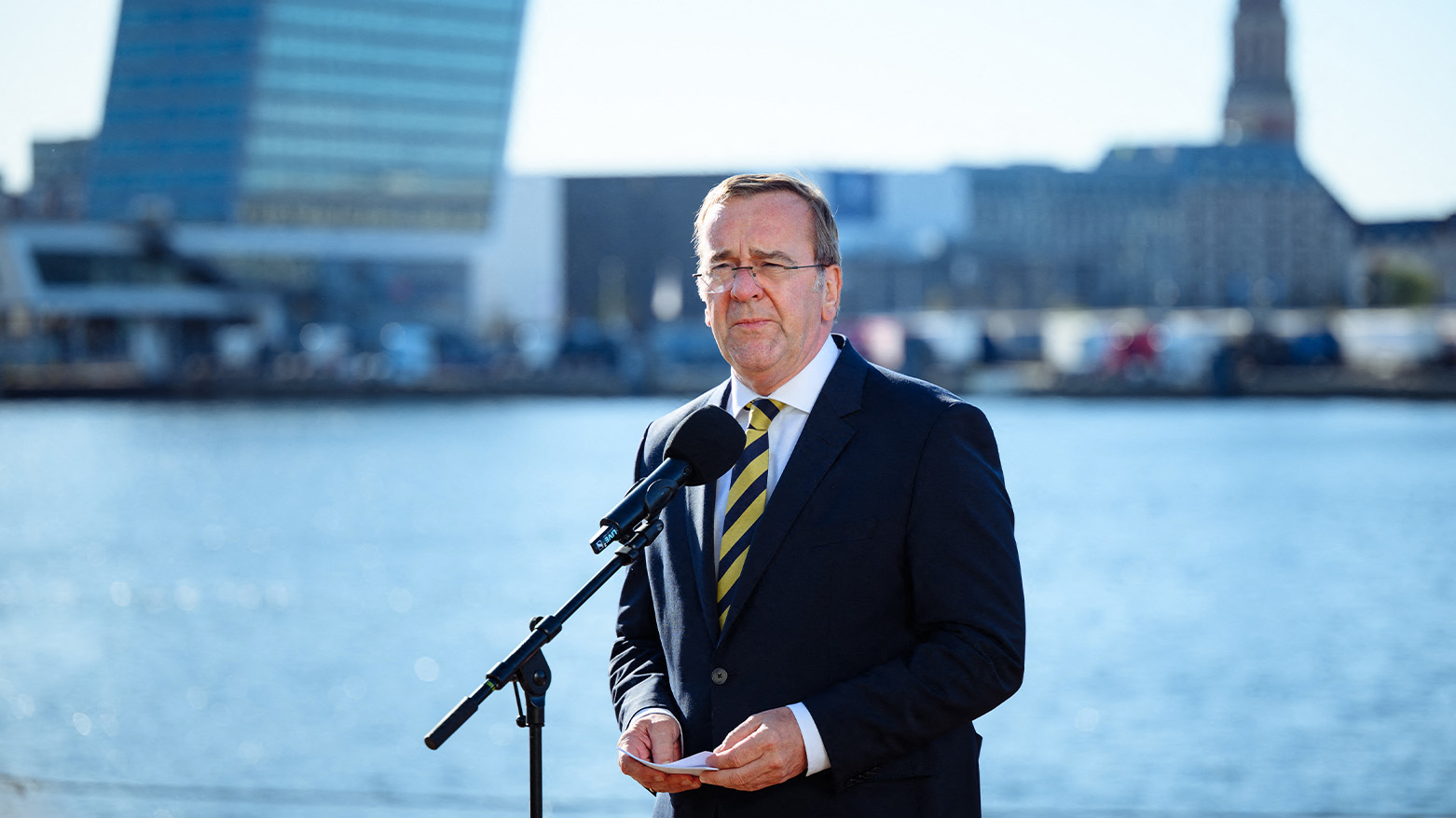
ERBIL (Kurdistan 24) — Germany is preparing naval units for a potential international mission in the Strait of Hormuz, as senior officials simultaneously confront a wave of cyberattacks attributed to Russia.
German Defense Minister Boris Pistorius announced on Saturday that naval units would be deployed to the Mediterranean in preparation for possible operations in the strategic waterway.
“We will deploy a minesweeper to the Mediterranean and provide it with a command and supply ship,” Pistorius told Rheinische Post in an interview published on Saturday.
He did not specify when the vessels would depart but emphasized that any operational deployment would depend on conditions in the region and parliamentary approval.
“To save time, we have decided to deploy parts of the German units to the Mediterranean early on so that – once the mandate is approved – we do not lose any further time,” he said.
Pistorius also underscored Germany’s technical capabilities, stating: “Our navy is really good at detecting and clearing mines. We could do that to contribute to free and safe shipping and navigation in the Strait of Hormuz.”
He added that an end to hostilities in the region remains a prerequisite for any German deployment.
In a separate development, German officials said on April 25 that a wave of phishing attacks targeting lawmakers and senior government figures through the Signal messaging app is believed to have originated from Russia.
“The federal government is assuming that the phishing campaign targeting the Signal messaging service was presumably run from Russia,” a government source told AFP.
The source said the campaign has since been stopped.
The cyber incidents come amid reports that Germany’s parliamentary speaker, Julia Kloeckner, was among those targeted. According to Der Spiegel, her Signal account was compromised by hackers, though her office declined to confirm the report, citing security concerns.
Kloeckner is a senior member of Chancellor Friedrich Merz’s CDU party, whose leadership communicates through Signal groups, according to the report.
Germany’s domestic intelligence service, the BfV, has briefed Chancellor Merz on the matter, with an examination of his phone reportedly finding no irregularities.
Earlier this week, the agency warned lawmakers of a broader risk, stating that multiple Signal groups in the parliamentary sphere may have been accessed by attackers without detection.
German prosecutors launched a formal investigation into the alleged cyberattacks on April 24, targeting incidents that affected members of parliament, civil servants, diplomats, and journalists.
The developments come as Germany faces a sustained rise in cyber threats and espionage activities since Russia’s full-scale invasion of Ukraine in 2022. Moscow has denied involvement in such actions.
Germany’s parallel focus on military preparedness and cybersecurity highlights growing concerns over both physical and digital threats, as Berlin navigates rising regional tensions and ongoing security challenges.