Erbil Hobbyist Claims Scorpion Venom Worth Millions
In Erbil, a man keeps an imported American 'Emperor' scorpion whose venom he claims is worth $10 million per liter. The owner says the rare black arachnid can kill within 'one hour, tops' after a sting, yet insists the creature, kept largely for display, is 'not for sale.'
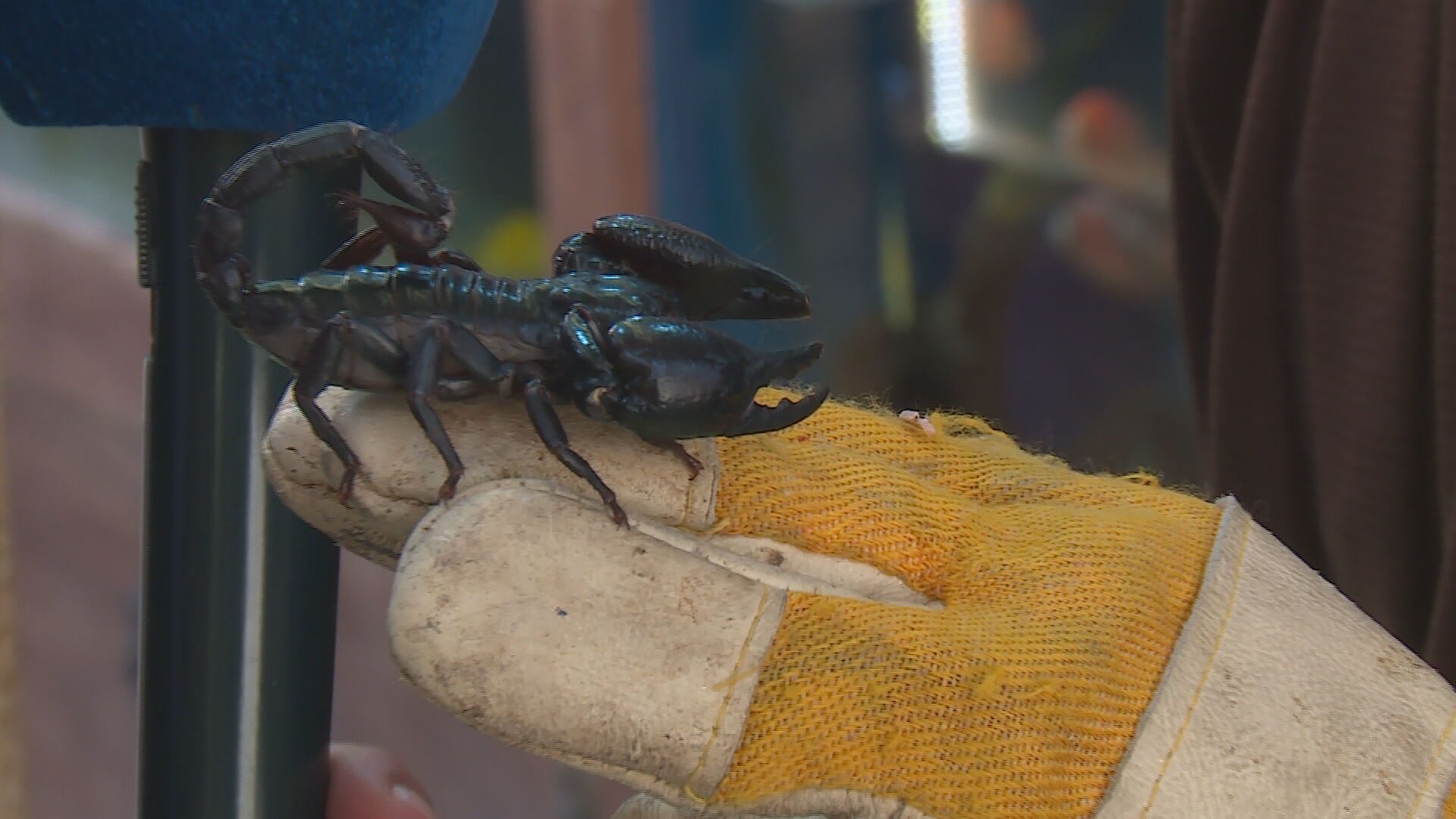
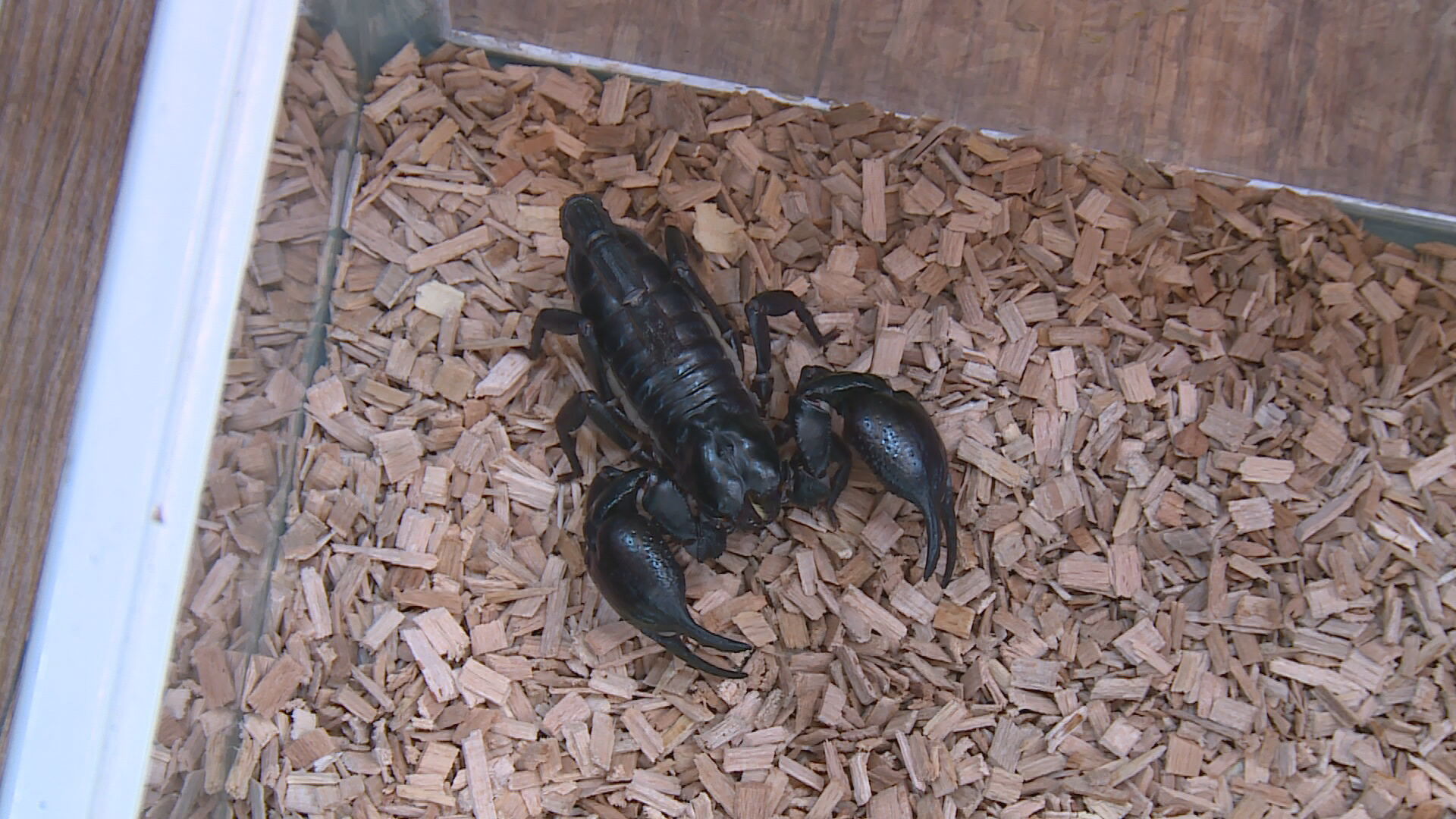
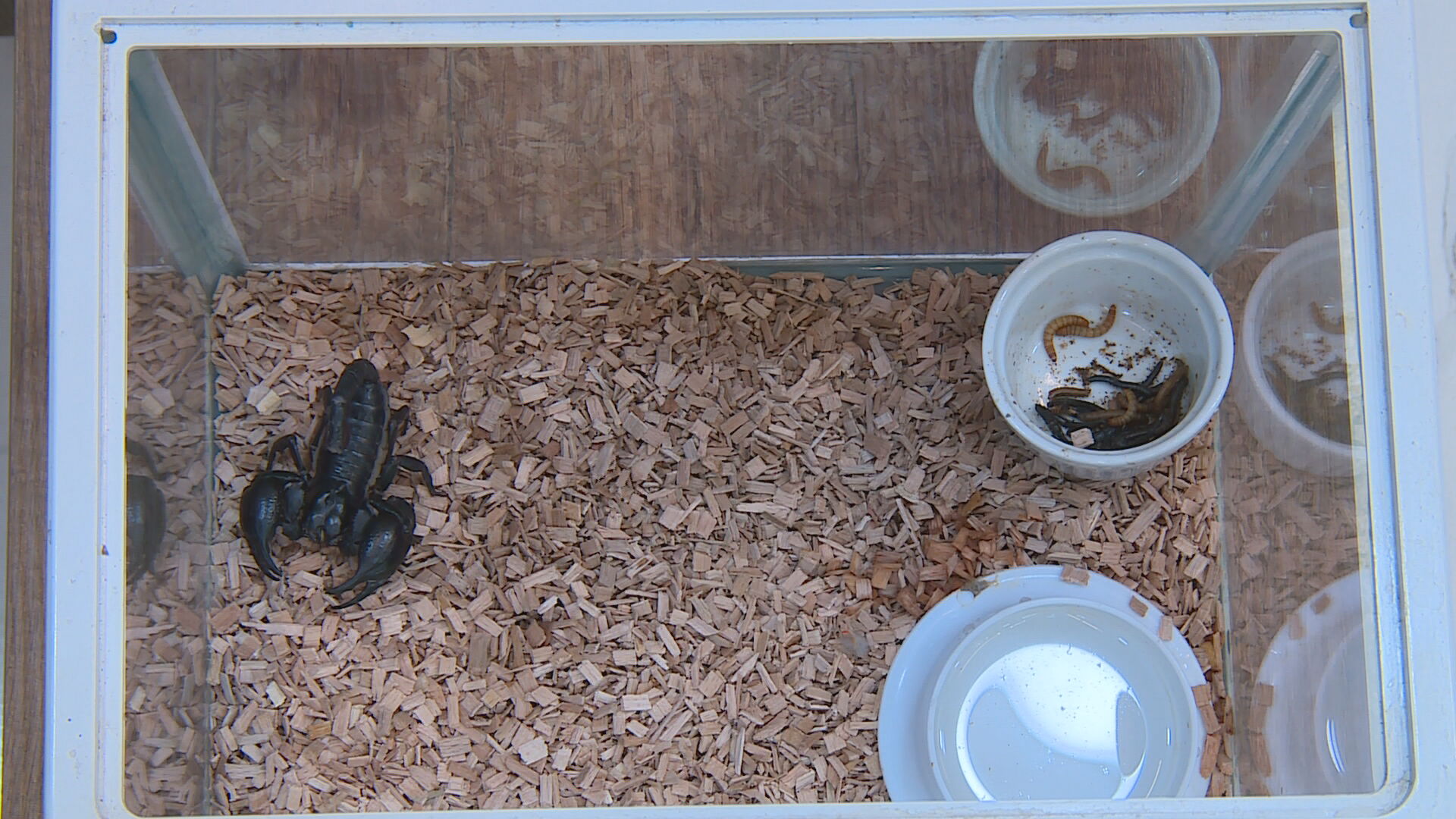
ERBIL (Kurdistan24) - In a quiet corner of Erbil, a pitch-black arachnid roughly four times the size of a typical local variety has become the center of intense local curiosity. This "Emperor" scorpion, reportedly imported from America, represents a growing interest in exotic animal keeping within the Kurdistan Region.
However, it is not just the creature's imposing physical presence that has captured attention; rather, it is the extraordinary claims made by its owner regarding the immense financial and medical value of its venom.
According to the owner, the creature is a rare specimen whose price is estimated at $700, though he maintains the scorpion is currently kept for decoration and is not for sale.
The emergence of such rare-animal keeping highlights a burgeoning trend where residents of the Kurdistan Region explore exotic wildlife as hobbies, collectibles, or niche economic prospects.
While the report delves into the owner's assertions regarding the lucrative nature of the venom trade and its alleged pharmaceutical applications, these claims remain the perspective of the collector and have not been independently verified.
Inside the Erbil Scorpion Collection
The atmosphere surrounding the collection is one defined by a mixture of fascination and extreme caution.
During an interview with Kurdistan24, the owner, Ahmed, presented the American black Emperor scorpion, a creature distinguished by its glossy, dark exterior.
The scorpion is notably larger than those indigenous to the region, a fact emphasized in the report as a primary reason for its high level of interest among local observers.
The danger associated with the animal was a palpable element of the investigation.
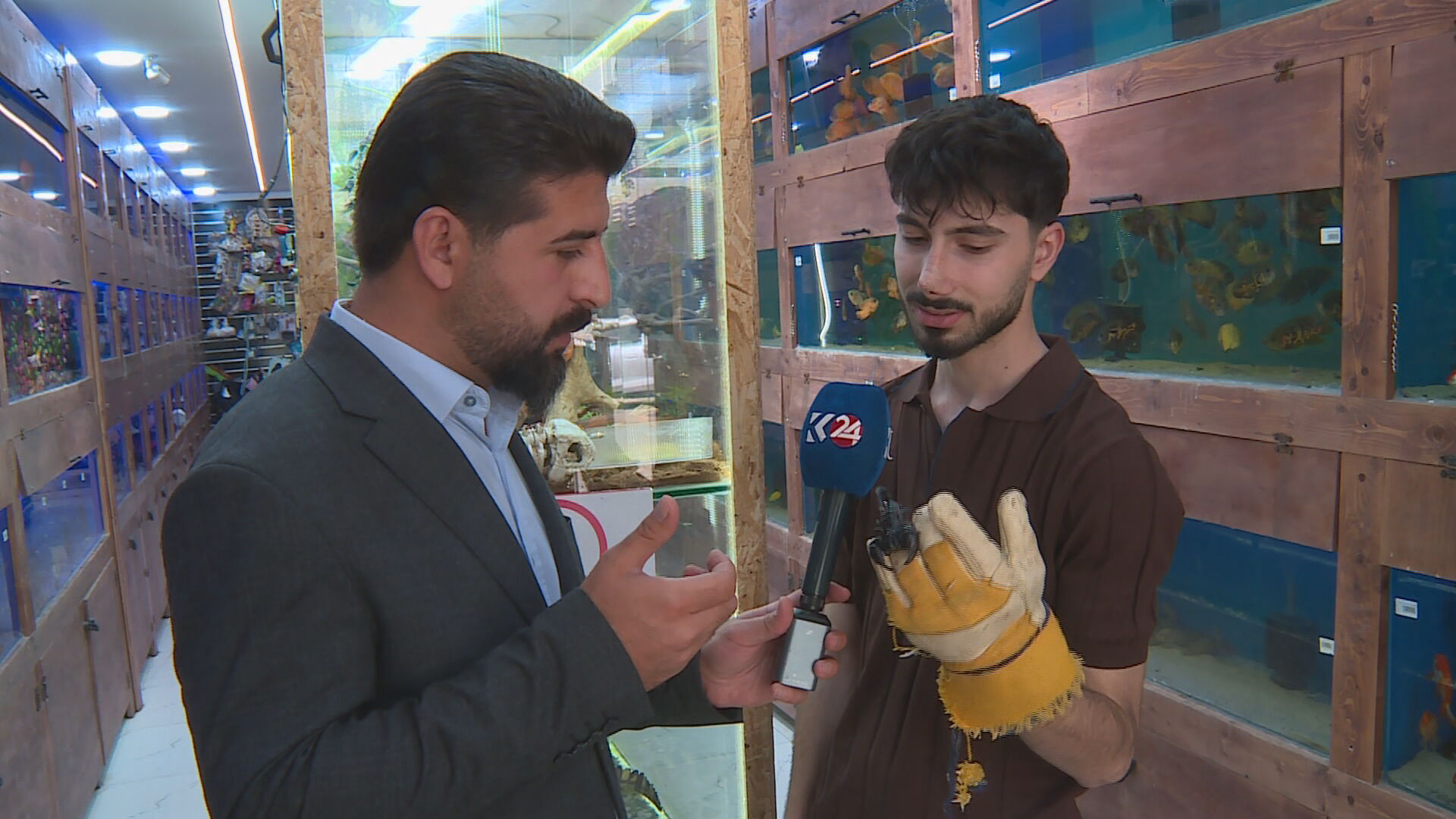
Kurdistan24 reporter Azar Faruq, who visited the collection to document the creature, noted the high stakes involved in handling such a specimen.
Despite several attempts to move closer for a better view, the reporter opted not to touch the scorpion, citing the inherent risks.
Ahmed claimed that the lethality of this specific type is significant, asserting during the interview that a single sting could result in the death of a victim within just one hour.
This particular scorpion is characterized by Ahmed as belonging to an elite group of deadly arachnids.
He explained to Kurdistan24 that while there are approximately 200 known types of scorpions, only about 20 of those possess venom considered to be truly fatal to humans.
According to the owner, this Emperor variety is a member of that dangerous minority.
Claims of High-Value Venom
The most provocative aspect of Ahmed's collection involves the purported value of the fluids extracted from the animal.
Ahmed told Kurdistan24 that the price of one liter of American black scorpion venom is approximately $10 million. The owner's explanation for this staggering figure is based on the role the venom reportedly plays in the global medical industry.
According to the owner's statements, the venom is a sought-after component for various medicinal treatments.
He suggested that the substance is used as a foundational ingredient in complex drugs, which drives up its international market price. However, the report indicates that the process of actually accumulating a significant quantity of the substance is a monumental task.
Ahmed noted that to collect a single liter of venom, a breeder would likely need to maintain a population of roughly 100,000 scorpions.
While some countries have established professional breeding facilities specifically to "milk" scorpions for their venom, Ahmed stated that such enterprises are currently non-existent or exceptionally rare within the Kurdistan Region.
He told the reporter that he has yet to see anyone in the local area breeding these animals for industrial venom production, leaving his own collection as a unique, singular example of the hobby in Erbil.
A Growing Exotic Animal Hobby
The report by Kurdistan24 suggests that scorpions and other rare animals are increasingly becoming a source of interest, and potentially a source of livelihood, for some citizens.
Though Ahmed's primary motivation appears to be the aesthetic and decorative value of the "American type" scorpion, the financial metrics he discussed point to a wider potential for niche economic activity.
Exotic animal breeding often begins as a personal interest or a social media attraction before evolving into a more formal side business.
In the case of the Erbil collection, the rarity of the species, combined with the owner's refusal to sell, only adds to the creature's local mystique.
The owner's insistence that the scorpion arrived directly from America further distinguishes it from local wildlife, positioning it as a high-value item for serious collectors.
The fascination with these dangerous creatures is a testament to the changing nature of hobbies in the region.
What was once viewed purely through the lens of pest control is now being reconsidered by some as a sophisticated field of study or a high-stakes investment.
The report highlights how the intersection of danger and potential profit creates a compelling narrative for the public, even if the path from hobbyist to professional venom collector remains largely theoretical in the current local market.
Danger and Curiosity
The interview concluded with a reiteration of the scorpion's hazardous nature, serving as a reminder that these animals are not typical household pets.
Ahmed maintained his stance that the one-hour window for medical intervention following a sting makes this Emperor scorpion one of the most formidable creatures in his possession.
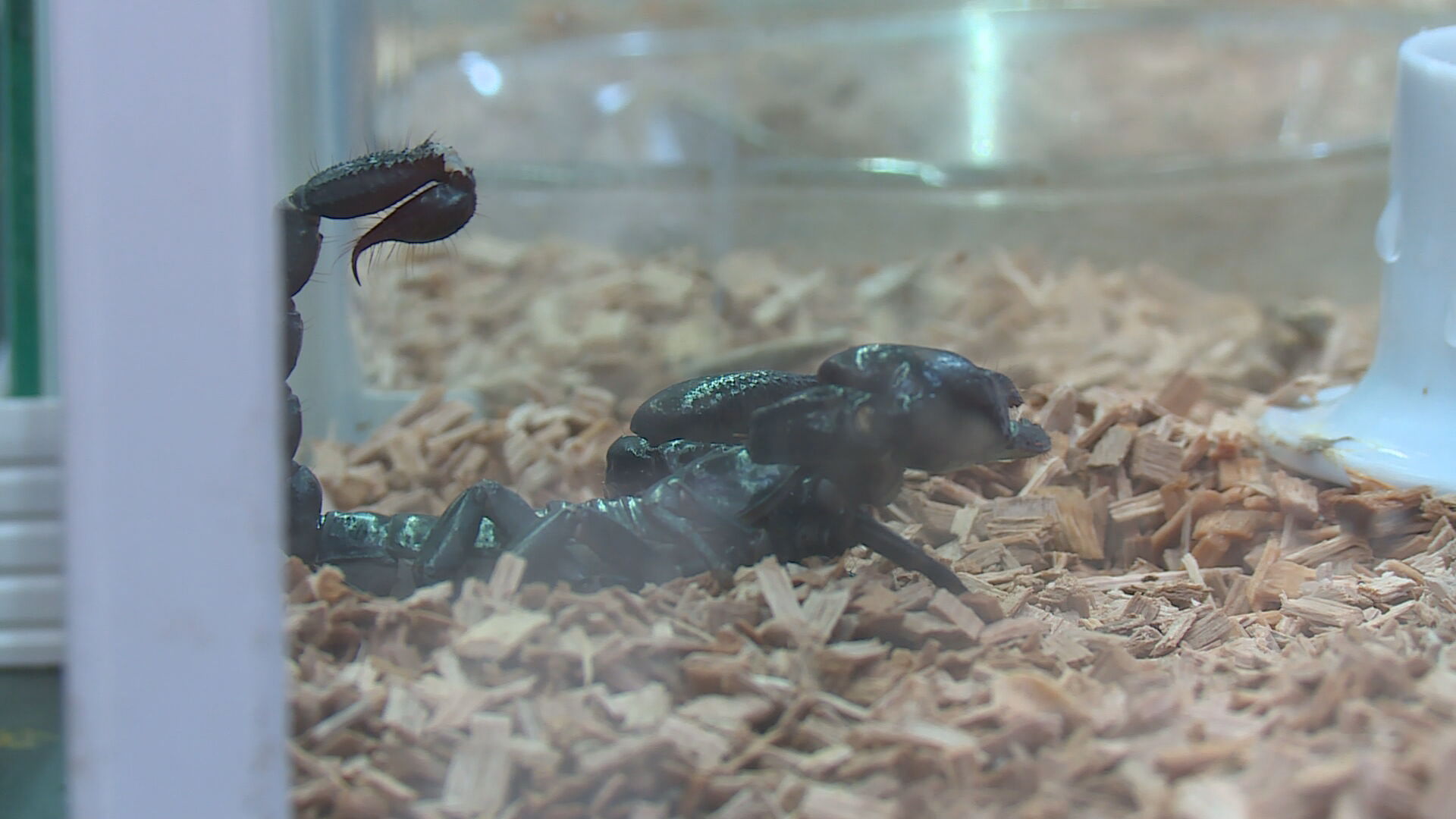
Ultimately, the image of the rare black scorpion remaining in its Erbil enclosure serves as a snapshot of a growing subculture.
It is a world where fear of a deadly sting is balanced by the allure of a hobby and perhaps, one day, tap into a global market worth millions.
For now, the "Emperor" of Erbil continues to draw crowds and questions, remaining a silent, dark symbol of the unusual economic curiosities currently emerging in the Kurdistan Region.