KRG Official Says No Final Deal Reached on ASYCUDA Customs System With Baghdad
A senior KRG official said no final agreement has been reached with Baghdad on implementing the ASYCUDA customs system, despite earlier signs of progress, noting negotiations remain ongoing over technical and jurisdictional issues.
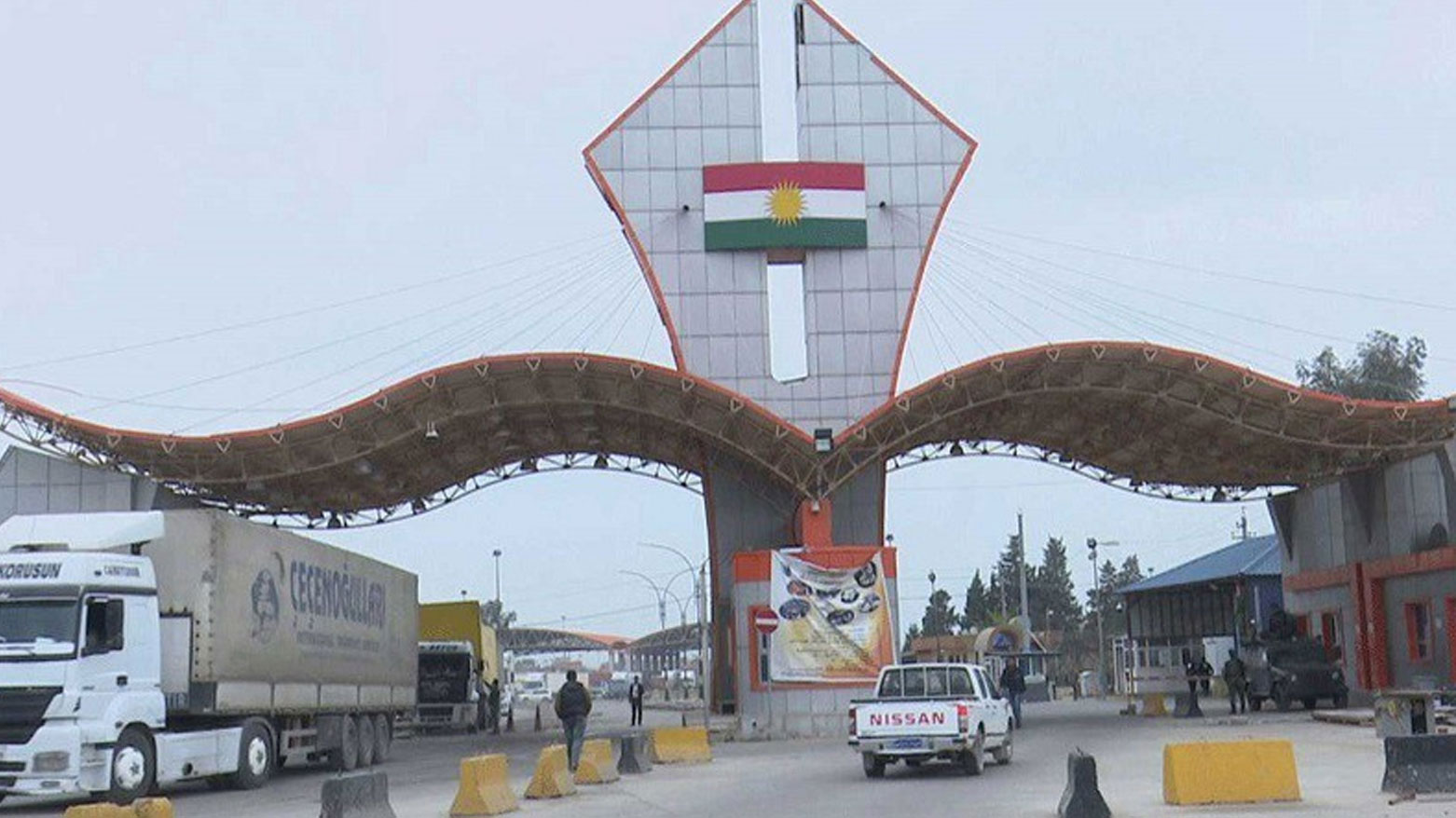
ERBIL (Kurdistan24) - A senior official within the Kurdistan Regional Government (KRG) has clarified that no final agreement has been reached between Erbil and Baghdad regarding the implementation of the "ASYCUDA" electronic customs system, despite previous institutional signals suggesting an imminent resolution.
Dr. Sami Jalal, an advisor at the Kurdistan Region's Ministry of Interior and a member of the regional customs delegation, stated in a remark to Kurdistan24 on Sunday, that reports of a finalized deal are currently premature.
According to Dr. Jalal, the process of negotiations and discussions between the federal government and the KRG remains active as both sides attempt to harmonize observations and technical procedures.
The statement underscores persistent administrative friction in the effort to unify Iraq's customs landscape, a priority that has faced significant hurdles ranging from legal challenges to widespread market unrest.
The status of the ASYCUDA system, the Automated System for Customs Data developed by the United Nations, is central to Iraq's broader economic modernization strategy.
While federal authorities view the system as an essential tool for revenue tracking and anti-corruption, its rollout has exposed deep-seated divisions over jurisdictional authority and the economic impact of standardized tariffs.
Dr. Jalal's confirmation of the ongoing stalemate suggests that the administrative specificities of the Kurdistan Region continue to be a primary point of negotiation in the Erbil–Baghdad economic relationship.
ASYCUDA Agreement Still Pending
The remarks by Dr. Jalal serve as an official counterpoint to recent speculation regarding a breakthrough in customs coordination.
According to the remarks delivered to Kurdistan24, the advisor emphasized that "until now, no official agreement has been made in this regard," specifically addressing rumors that the two governments had settled their differences over the ASYCUDA framework.
Dr. Jalal indicated that the delegations from Erbil and Baghdad are still engaged in the process of unifying customs procedures.
He noted that the observations and requirements of both the federal and regional authorities are currently being reviewed, with no definitive consensus achieved as of May 10.
This lack of a final signature comes at a time when the Iraqi commercial sector is seeking clarity on import procedures to mitigate rising costs and logistical bottlenecks.
The implementation of ASYCUDA is intended to digitize customs transactions, theoretically accelerating trade and reducing the manual processing that has historically been linked to inefficiencies.
However, as Dr. Jalal's statement indicates, the transition from manual to automated systems involves complex negotiations over who manages the data and how regional institutions are integrated into the national framework.
Ongoing Iraq–KRG Customs Coordination Talks
The current uncertainty contrasts with high-level meetings held earlier this spring.
On April 6, during the 13th meeting of Iraq's Ministerial Council for the Economy, officials reported that a key agreement had been reached to unify customs policies and jointly manage border crossings.
That session, chaired by Deputy Prime Minister and Foreign Minister Fuad Hussein, included a high-level KRG delegation and aimed to standardize tariffs nationwide.
According to the official statement from that meeting, both sides had agreed in principle to adopt the ASYCUDA system at border points within the Kurdistan Region.
The framework proposed that customs management in the region would be conducted through a coordinated effort between Erbil and Baghdad.
At the time, officials stated that a technical team from the KRG's General Directorate of Customs would collaborate with the federal Ministry of Finance to operationalize the agreement.
Further complicating the timeline, Iraq's Minister of Trade, Atheer Dawood Salman Al-Ghurairi, told Kurdistan24 on April 23 that a dedicated committee had been formed specifically to resolve the ASYCUDA dispute.
Minister Al-Ghurairi expressed optimism at the time, promising a solution "within days."
He identified the issue of double taxation, where goods are taxed at regional borders and again in other Iraqi provinces, as a primary burden on traders that the committee aimed to eliminate.
Despite these optimistic projections from Baghdad, Dr. Jalal's recent comments suggest that the transition from a "key agreement" to actual implementation remains blocked by unresolved technical or administrative details.
Legal Rulings Shape Trade Landscape
The institutional push for a unified customs policy is set against a background of significant legal and social pressure.
On February 11, 2026, the Iraqi Federal Supreme Court issued a final ruling that upheld a federal decision to increase customs tariffs. The court dismissed a legal challenge against Decision No. 957, citing an "absence of legitimate interest" in the appeal.
This judicial validation of higher duties occurred amidst a wave of trade protests.
Starting in early February, merchants and shop owners in Baghdad, Basra, Mosul, and Kirkuk engaged in general strikes to object to the tariff hikes.
Traders reported that the cost of clearing a single shipping container had surged dramatically, with some figures in Basra rising from three million dinars to as much as 35 million dinars.
Economists cited in reports regarding the ruling warned that the simultaneous implementation of the ASYCUDA system and the increased tariff schedule contributed to a 50 percent decline in Iraq's trade volume with the world.
Economic expert Nabil al-Marsoumi noted that customs revenues dropped by 71 billion dinars in a single month following the changes, suggesting that the initial phases of automation and high taxation have had a chilling effect on commercial activity.
Implementation Challenges Persist
The structural challenges facing the ASYCUDA rollout are multifaceted.
While the federal government maintains that customs policy formulation is an exclusive federal authority, the KRG has asserted its constitutional rights regarding the management of border crossings within its territory.
The KRG has indicated a willingness to use the UN-developed system, but only on the condition that it is managed through the Region's own legal and administrative institutions.
Administrative coordination issues are also exacerbated by the technical requirements of the ASYCUDA system.
The Iraqi government has imposed tariffs ranging from 5 to 30 percent across more than 16,000 categories.
In response to the market paralysis, the federal Ministry of Finance reportedly issued guidance to reduce import valuations within the system by 25 percent to ease financial strain.
However, traders argue that these adjustments are insufficient to counter the increased complexity and cost of the new digitized procedures.
Furthermore, the regional security and economic environment has introduced additional variables.
During the April economic council meeting, officials noted that ongoing regional conflicts have created mounting challenges, necessitating a unified national front for revenue collection.
This urgency led to temporary measures, such as designating the Trebil Border Crossing as an official entry point for gold imports due to flight restrictions.
Analysis of the Administrative Stalemate
The discrepancy between the Trade Minister's "days away" projection in April and Dr. Sami Jalal's "no final agreement" status in May highlights a recurring gap between political consensus and administrative implementation in Iraq.
The "point-scoring" of customs authority appears to remain a sensitive issue, as both governments navigate the balance between national economic integration and regional autonomy.
For the KRG, the implementation of ASYCUDA represents more than a technical upgrade; it is a negotiation over the degree of federal oversight allowed at its primary economic gateways.
For Baghdad, the system is viewed as a prerequisite for a functional national budget and a means to prevent tax evasion through regional loopholes.
The continued market closures and the reported decline in trade volume suggest that the stakes of this administrative delay are high.
Economists have urged the government to conduct deeper dialogues with chambers of commerce to reach a balanced solution.
Without a finalized agreement on the ASYCUDA system, the goal of a unified, transparent, and efficient customs regime in Iraq remains aspirational.
As of early May 2026, the situation remains under close observation by both international monitoring bodies and domestic commercial actors.
The statement from the KRG Ministry of Interior advisor confirms that while technical meetings continue, the institutional integration of the Kurdistan Region's customs into the federal electronic framework has not yet been achieved.
Customs coordination remains a key institutional challenge in the broader Iraq–KRG economic relationship, with the final operational status of ASYCUDA awaiting a definitive political and technical resolution.