A Blueprint for a Middle Eastern Metropolis: Erbil Unveils Visionary 2050 Master Plan
As Erbil eyes a transformative era of growth, the newly unveiled 2050 Master Plan, developed with JICA, sets a bold vision for the Kurdistan Region's capital. From a massive green belt and rail networks to unified architectural codes, the plan prioritizes sustainability and urban harmony.
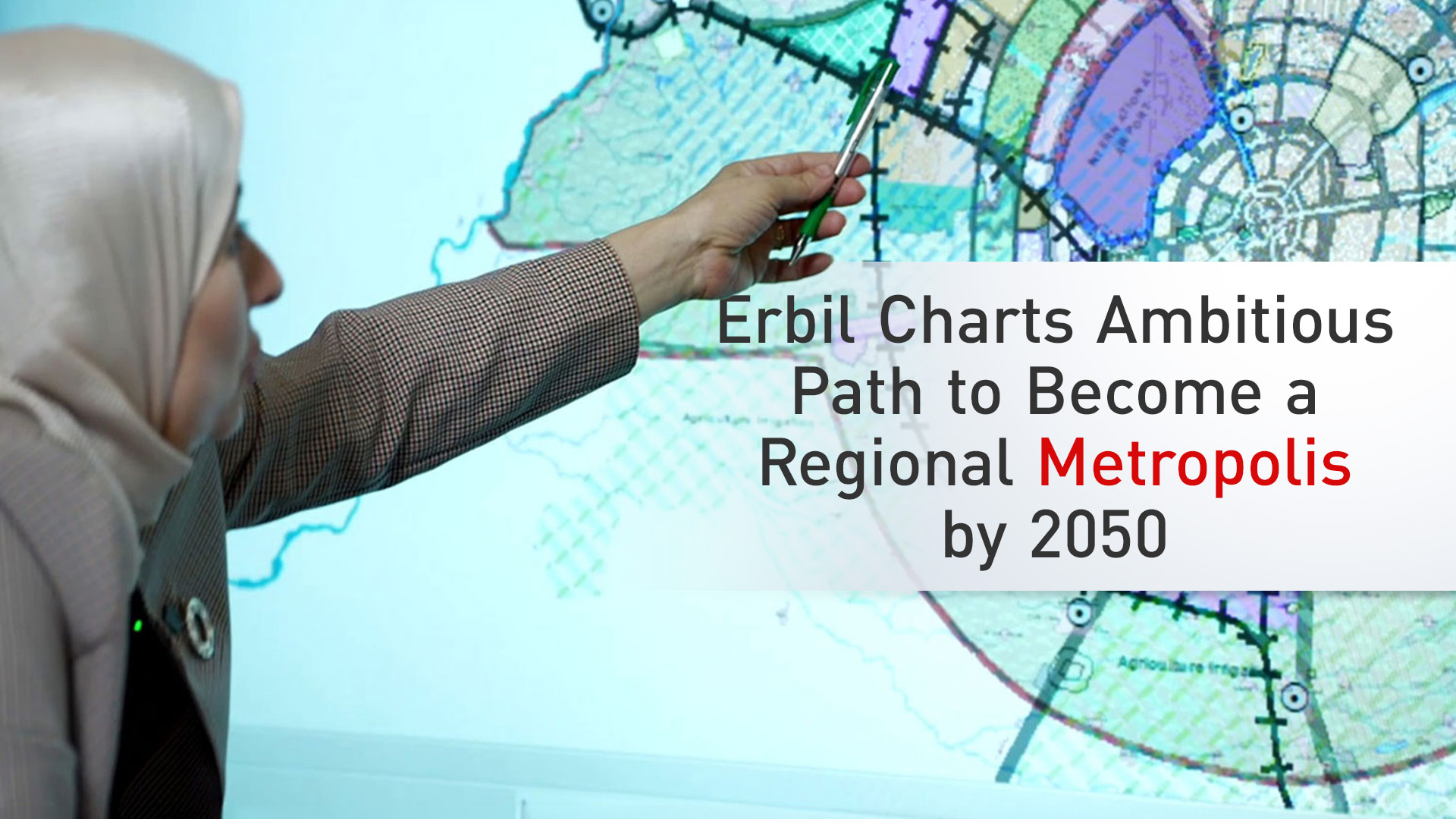
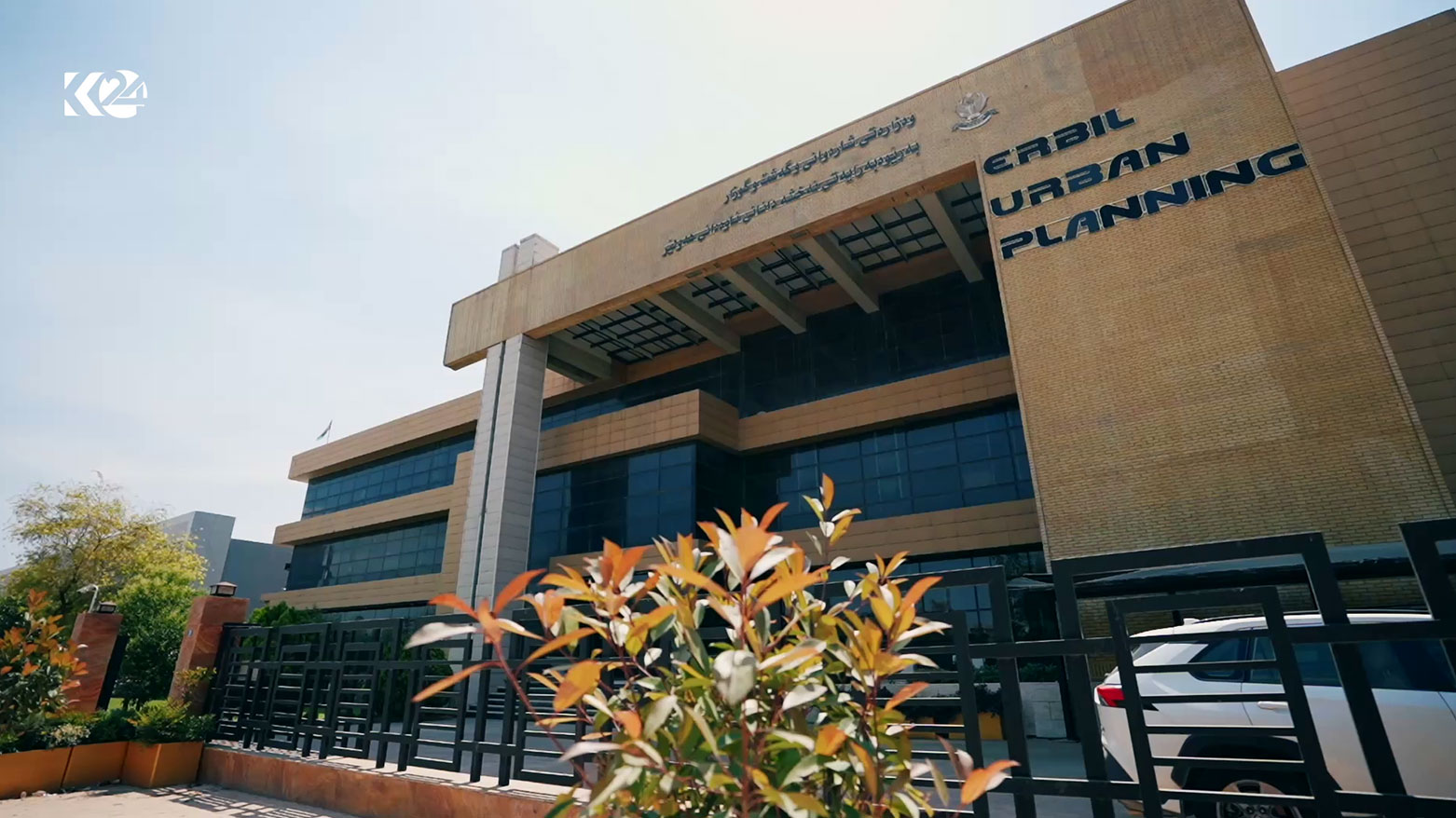
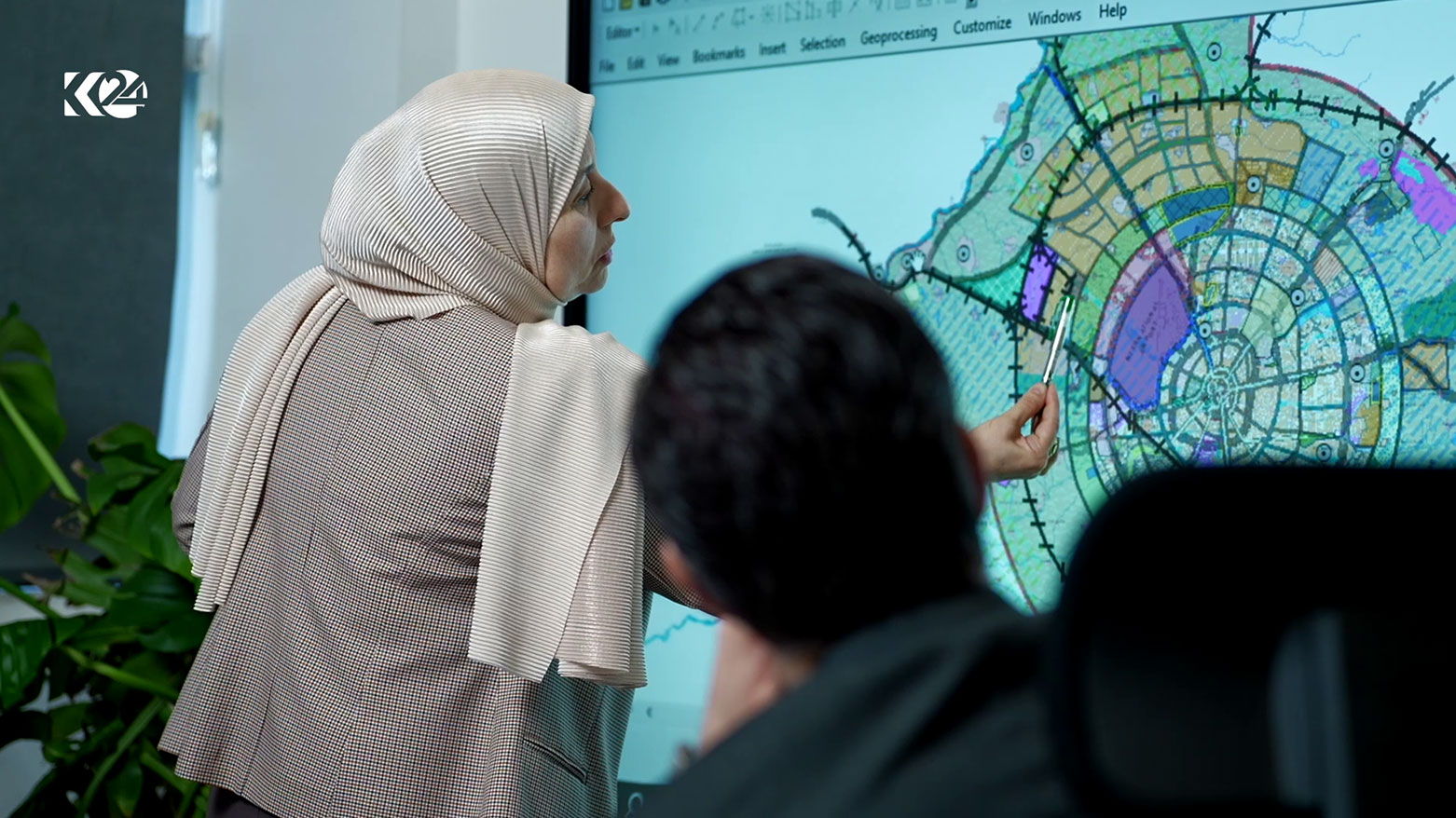
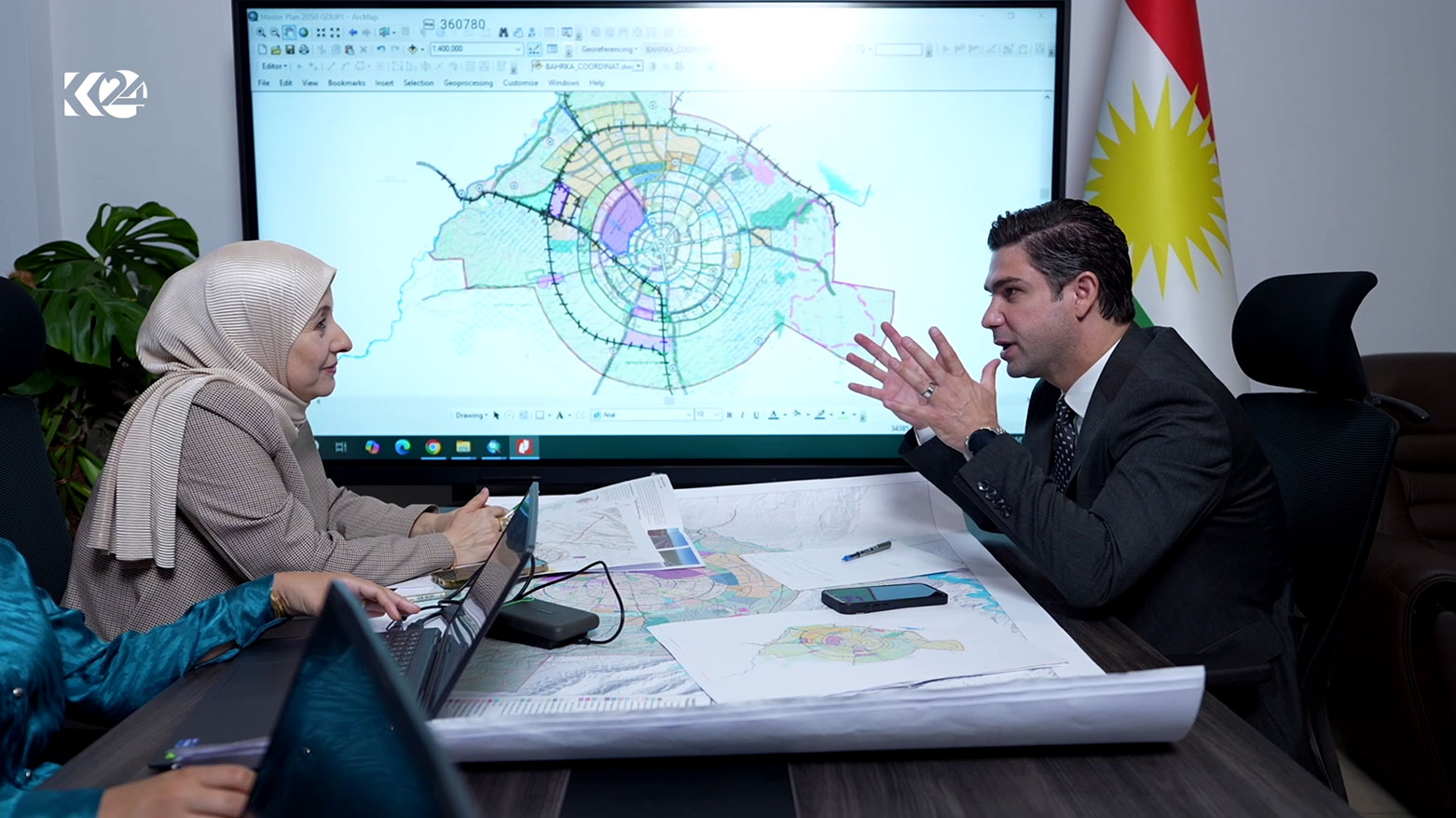
ERBIL (Kurdistan24) - In the corridors of the Erbil Directorate of Urban Planning and Reconstruction, a quiet revolution is being mapped out. Spread across tables and digital screens are the blueprints for a city that, by the middle of this century, intends to stand as a model of modern, sustainable, and culturally rooted urbanism in the Middle East.
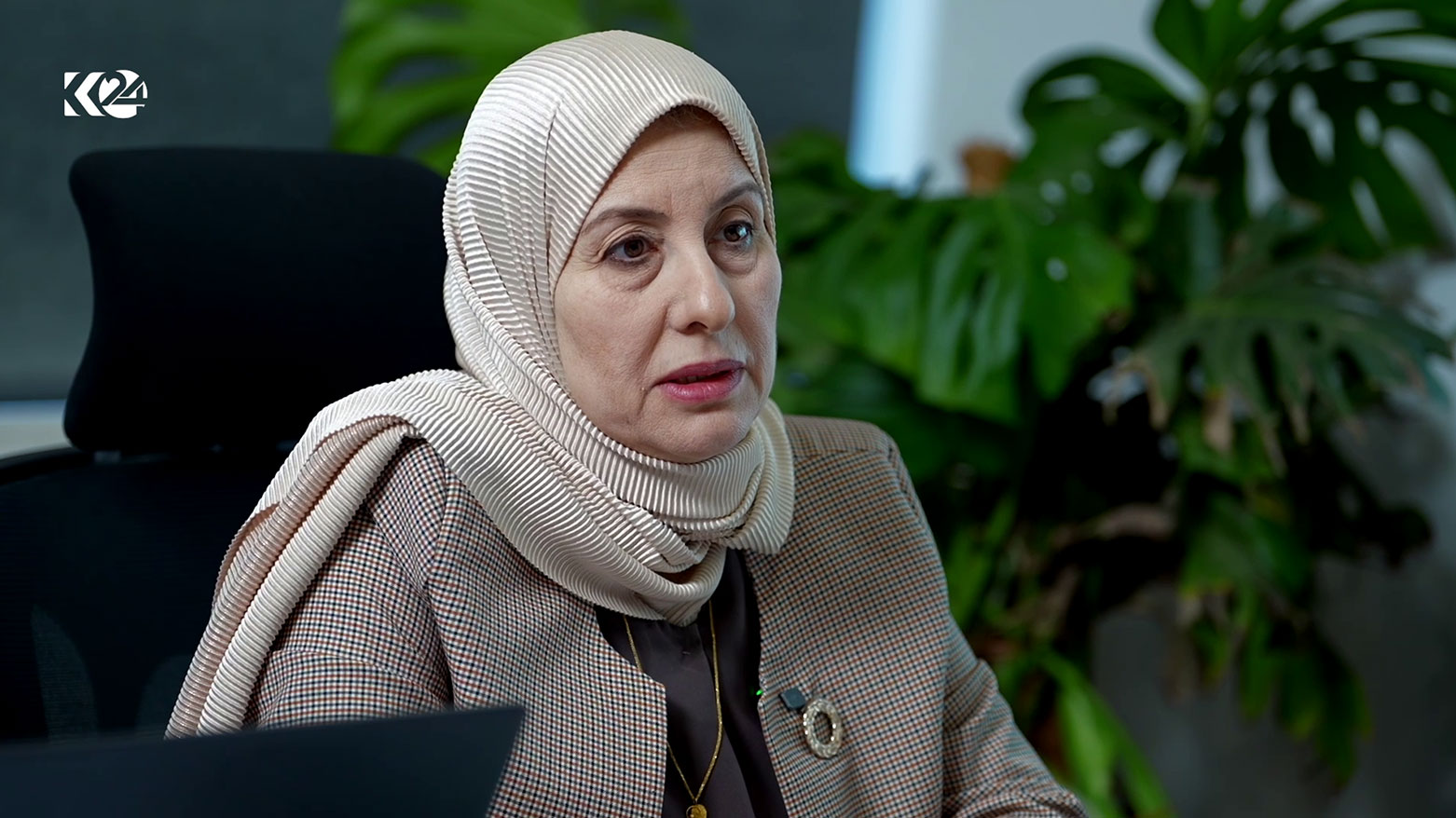
In an exclusive interview with Kurdistan24 news anchor Kovan Ezzat, Shukria Abbas Qadir, the Director of Erbil Urban Planning, provided the first comprehensive look at the newly approved 2050 Master Plan.
The project, a massive undertaking involving the Kurdistan Regional Government (KRG), the Erbil Governorate, the Ministry of Municipalities and Tourism, and the Japan International Cooperation Agency (JICA), represents a total reimagining of the city's footprint, infrastructure, and social fabric.
The previous Master Plan, which governed Erbil's growth from 2008 with a target of 2030, had long since reached its limits.
Read full interview here: The Future of Erbil: An Exclusive Look at the 2050 Master Plan
"Legally, any Master Plan is entitled to a review after ten years," Qadir explained during the feature. "This one had exceeded twenty years. We initiated this overhaul with the Japanese JICA team alongside our directorate's specialized teams to ensure Erbil does not just grow, but grows scientifically."
A New Blueprint for 2050
The transition from the 2030 outlook to a 2050 horizon is not merely a chronological extension; it is a fundamental shift in how the capital of the Kurdistan Region views its role on the global stage.
Qadir noted that while the city's outward limits remain largely consistent with existing boundaries, the internal logic of the city, its land use, zoning, and density, has been entirely re-evaluated.
This redesign was born out of necessity.
The rapid, often haphazard expansion of the city over the last two decades created "status quo" areas that the new plan must now work around.
However, for the "Future Erbil" zones, those areas extending beyond the recently completed 150-meter Ring Road, the planners have been given a clean slate. According to Qadir, these new zones will integrate housing, industry, and services in a way that avoids the bottlenecks of the past.
A significant directive from the Prime Minister has already earmarked specific residential zones beyond the 150-meter road for civil servants, ensuring that the city’s expansion also addresses the social needs of the region's workforce.
Building the Next Generation of Neighborhoods
Perhaps the most visible change for residents will be the introduction of rigorous aesthetic and functional codes for residential design.
Qadir was adamant that the era of "subdividing", where 200-square-meter plots were split into cramped 100-square-meter dwellings, is over.
"Based on the Council of Ministers' decision, the standard plot size is 200 square meters.
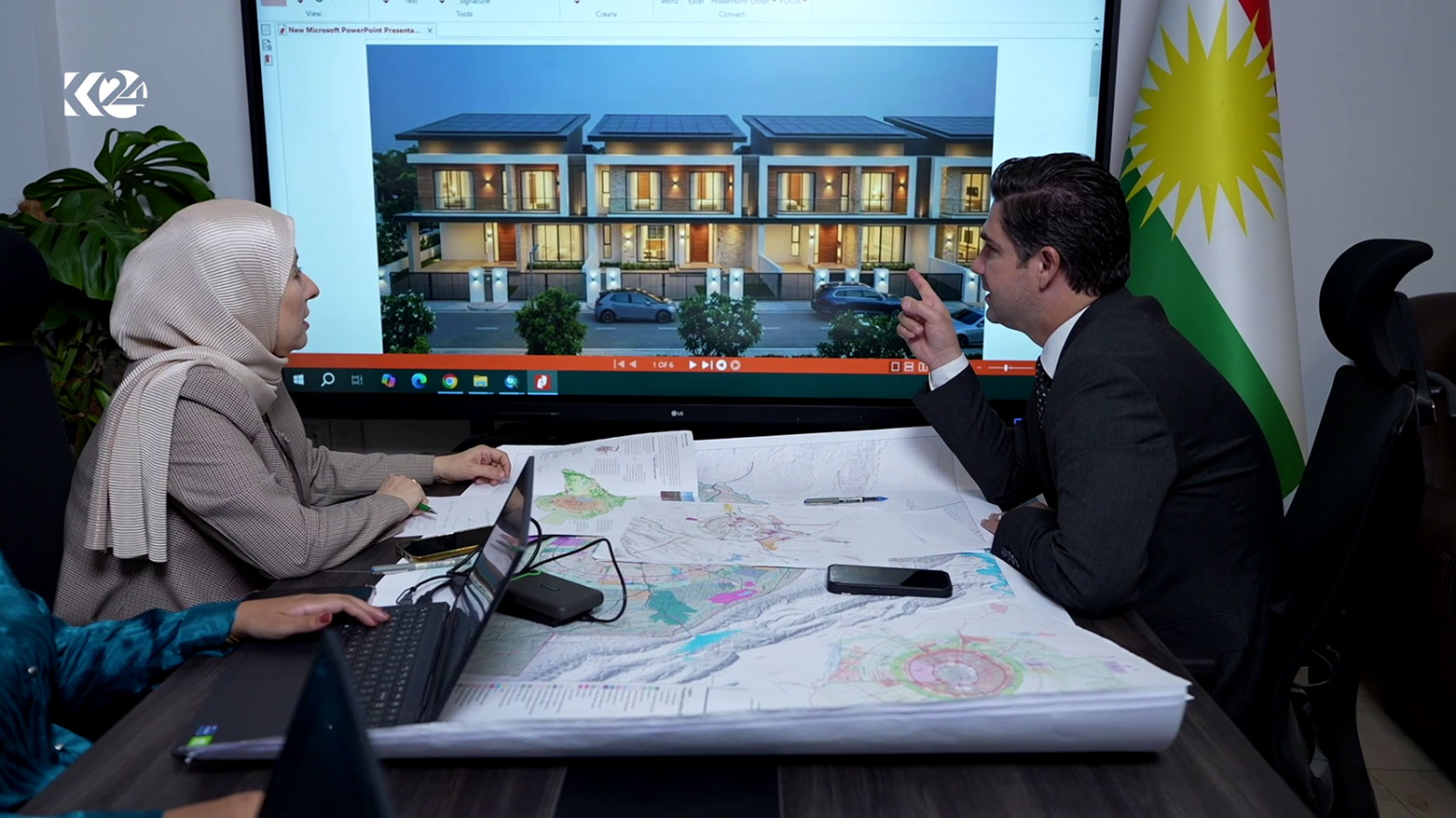
We will not see smaller plots in the future," she told Kurdistan24. This move is designed to prevent the over-densification that has plagued older neighborhoods, leading to parking crises and strained services.
The new plan also introduces the concept of "visual harmony."
Qadir cited "Xanadan" (Elite/Noble) as a concept for newly designated districts, explaining that the neighborhood, along with other upcoming developments, will be required to follow a unified "form" in their planning and design.
While individual expression is permitted, the materials and silhouettes must harmonize "like music," as Qadir described it.
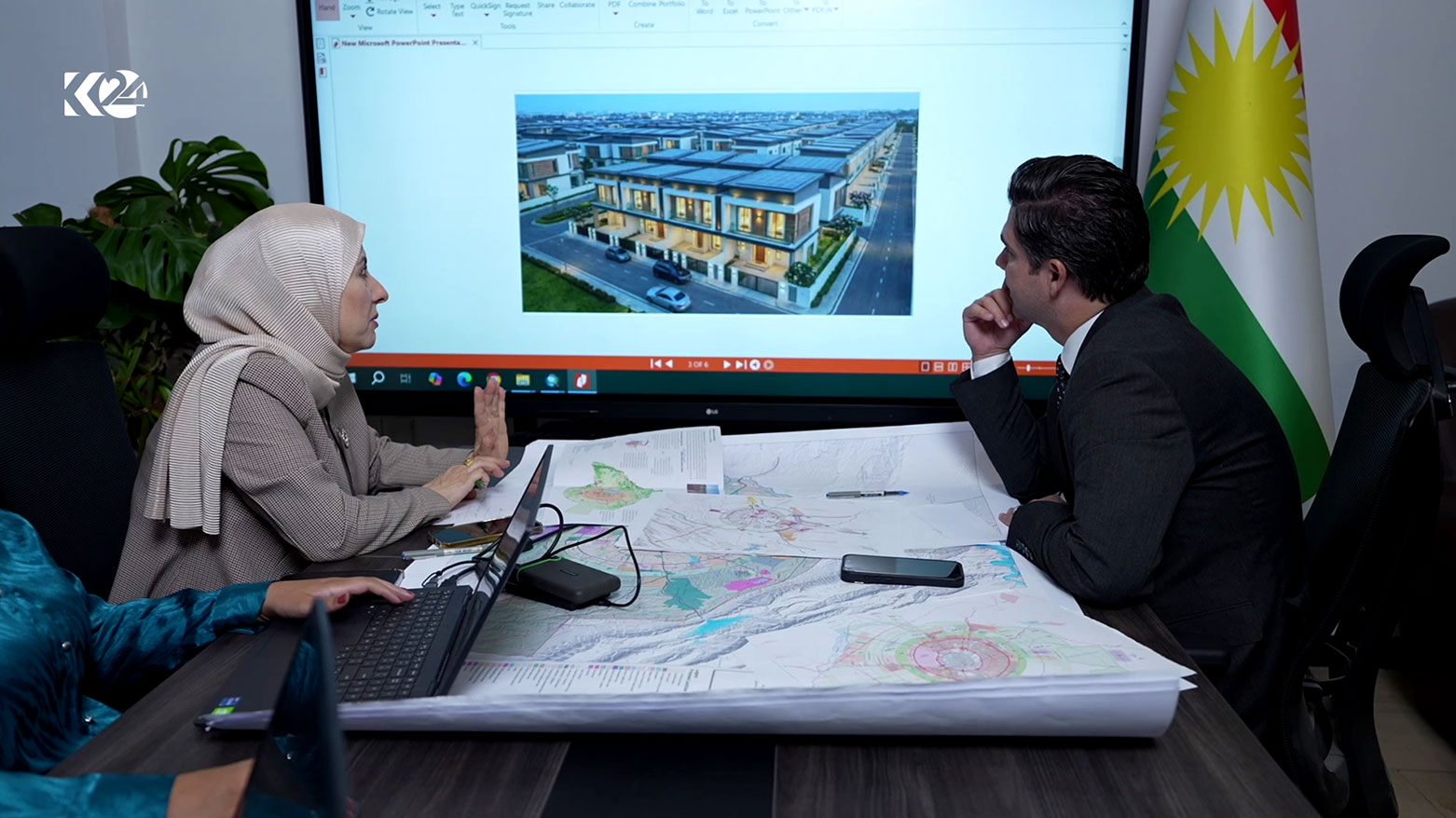
Even mundane aspects of urban life are being redesigned; new regulations will require property owners to integrate refuse bins into the design of their property walls, removing the unsightly clutter of waste from the streets.
Sustainability is also baked into the rooflines.
The 2050 plan standardizes roof angles for optimal solar panel efficiency, a proactive response to the global shift toward renewable energy and the specific climate challenges of the Kurdistan Region.
Roads, Railways, and Heritage Mobility
As Erbil continues to expand, mobility remains the city's greatest challenge.
The 2050 Master Plan proposes an ambitious multi-modal transportation network that includes two new major arteries: Ring Roads 8 and 9. Unlike the 150-meter expressway, which is designed for high-speed transit, these new rings are envisioned as comprehensive service corridors.
"None of these roads are less than 100 meters wide," Qadir noted. What sets them apart is their dedication to non-vehicular transit.
For the first time in Erbil's history, dedicated bicycle lanes will encircle the entire city. Furthermore, the plan includes pedestrian corridors and, in a nod to Kurdish cultural identity, dedicated lanes for horses and carriages.
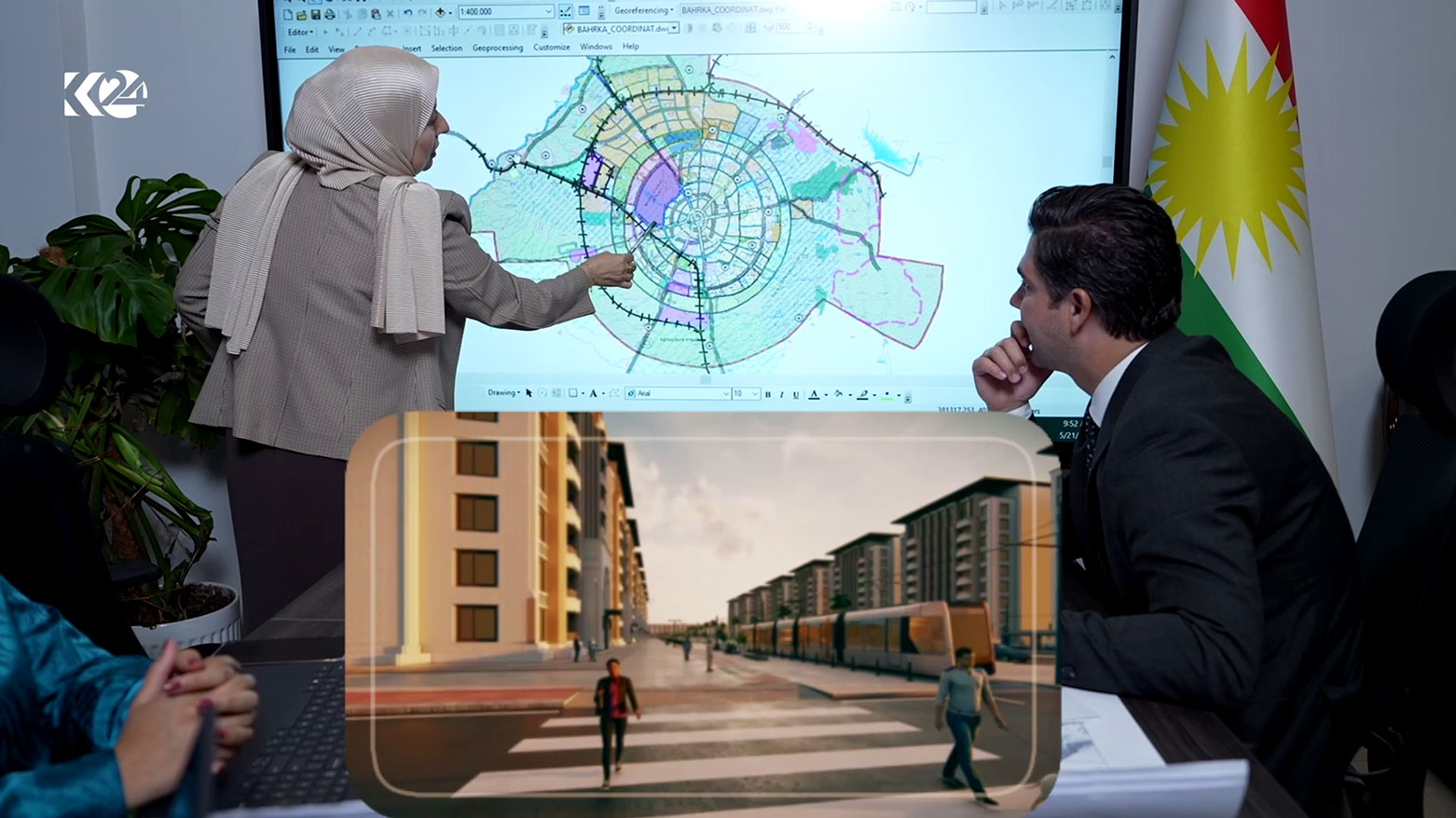
"In the past, people traveled between villages using animals or bicycles. We want to preserve that cultural heritage, especially within the Green Belt," Qadir explained, highlighting the desire to blend the high-tech future with the region's pastoral history.
The plan also firmly establishes a future for rail transit. Protected rail corridors have been mapped out to encircle the city, with an internal network of stations.
By designating and protecting this land now, the KRG aims to avoid the massive costs of property demolition and compensation that often derail transit projects in other developing metropolises.
Industry, Agriculture, and Economic Expansion
Erbil's economic engine is also receiving a major upgrade. The Master Plan identifies strategic industrial corridors, specifically between the Makhmur and Kirkuk roads.
These zones, colored purple on the new maps, are designed as "industrial chains."
"The byproduct of one factory becomes the raw material for another," Qadir explained.
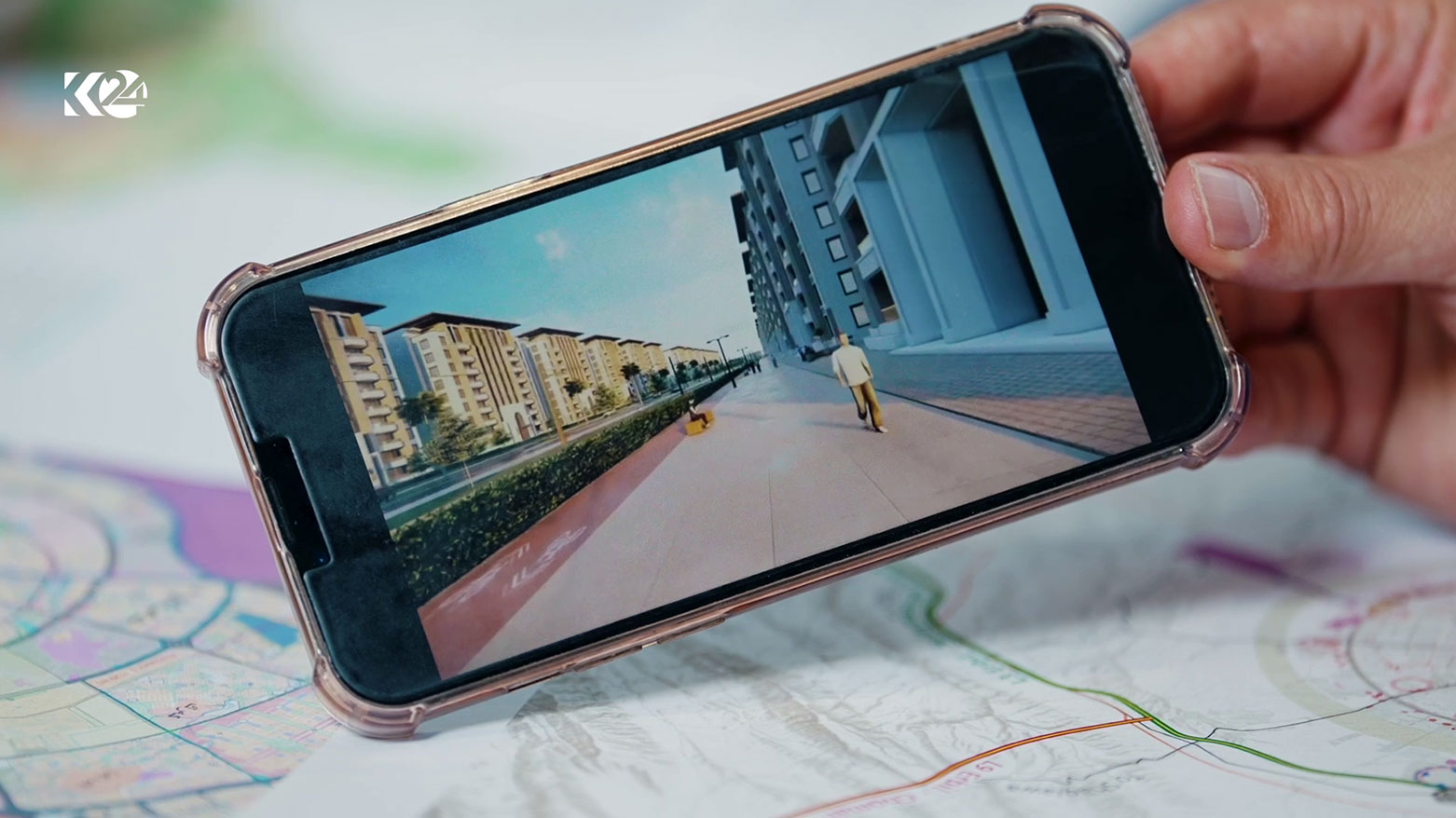
These linked industrial zones are not meant to be the "Sina’a" (vocational) areas of old, but modern hubs for strategic brand-name factories and large-scale production, all of which will be surrounded by green buffer zones to mitigate environmental impact.
Simultaneously, the plan protects Grade-A agricultural land.
At the request of the Directorate, the Ministry of Agriculture has classified specific zones for large-scale irrigation projects, ensuring that as the city grows, it does not cannibalize the fertile land required for food security.
Protecting Water, Land, and the Environment
Environmental protection is a recurring theme throughout the 2050 vision.
One of the most critical determinations made by the Japanese and Kurdish experts involves the Kasnazan area in the east. Identified as a "water-rich" zone, Kasnazan’s high groundwater levels act as a natural filter for the city's aquifers.
"It must be protected for the future of Erbil's water security," Qadir emphasized.
By restricting heavy development in these zones, the Master Plan seeks to prevent the depletion and contamination of groundwater, a resource that will only become more precious in the coming decades.
The plan also addresses the haphazard growth of surrounding towns like Shaqlawa, Daratu, and Beneslawa.
While their legal status remains, the 2050 plan seeks to retroactively organize them by widening streets, increasing green spaces, and reserving land for future hospitals, schools, and even tram lines.
Reimagining Urban Life and Public Services
A central feature of the 2050 plan is the centralization of government services.
A new "Administrative Area" has been designated to house all regional ministries in a single, efficient zone. This government district will sit adjacent to what is perhaps the plan’s most ambitious public project: a new mega-park.
While Qadir teased the location, she revealed that the new park will be three times the size of the iconic Sami Abdulrahman Park.
"It is in a direction where residents currently lack sufficient park space," she hinted. This massive green lung is intended to provide a world-class recreational space that anchors the city’s new administrative and residential heart.
The Green Belt and the City's New Identity
The crowning jewel of the 2050 Master Plan is the Green Belt.
This two-kilometer-wide corridor will encircle Erbil, serving as both an environmental buffer and a community hub.
The design is sophisticated, incorporating six major parks, including three theme parks, and modern "farmer markets."
These markets are designed to integrate the rural and urban economies, allowing local growers to sell produce directly to city dwellers within a controlled, modern environment.
The Green Belt is not just a line on a map; it is a strategy to preserve the villages within it as they are, maintaining the "national identity" that Qadir repeatedly referenced during her conversation with Ezzat.
A Future Defined by Science and Harmony
The 2050 Master Plan represents a significant investment on Erbil's future.
It assumes a city that is not only wealthier and more populous but also more disciplined.
The success of the plan will rely on the strict enforcement of zoning laws, the cessation of illegal subdivisions, and the long-term commitment of successive governments to protect the transit and water corridors mapped out today.
"One of the core principles of urban planning is to harmonize land prices across the city," Qadir noted. Currently, Erbil's real estate is among the most expensive in Iraq.
While the Master Plan seeks to balance these values, Qadir expects that the implementation of such high-level infrastructure, from the rail network to the mega-parks, will only see property values appreciate as Erbil cements its status as a premier regional hub.
As the interview concluded, the vision presented was one of a city in transition, a capital that is looking to Japan for scientific precision, to its own history for cultural identity, and to the year 2050 for its ultimate fulfillment.
If the plans held within the Erbil Directorate of Urban Planning are realized, the Erbil of 2050 will be a city of bicycles and trains, of solar roofs and grand parks, and of a people who have finally synchronized the "music" of their urban life.