White House Says Iran Must Fulfill Obligations as Araghchi urged media to avoid speculation
A senior White House official outlined strict conditions for any future agreement with Tehran, while Iranian Foreign Minister Abbas Araghchi urged media outlets to avoid speculation about the contents of an anticipated memorandum.
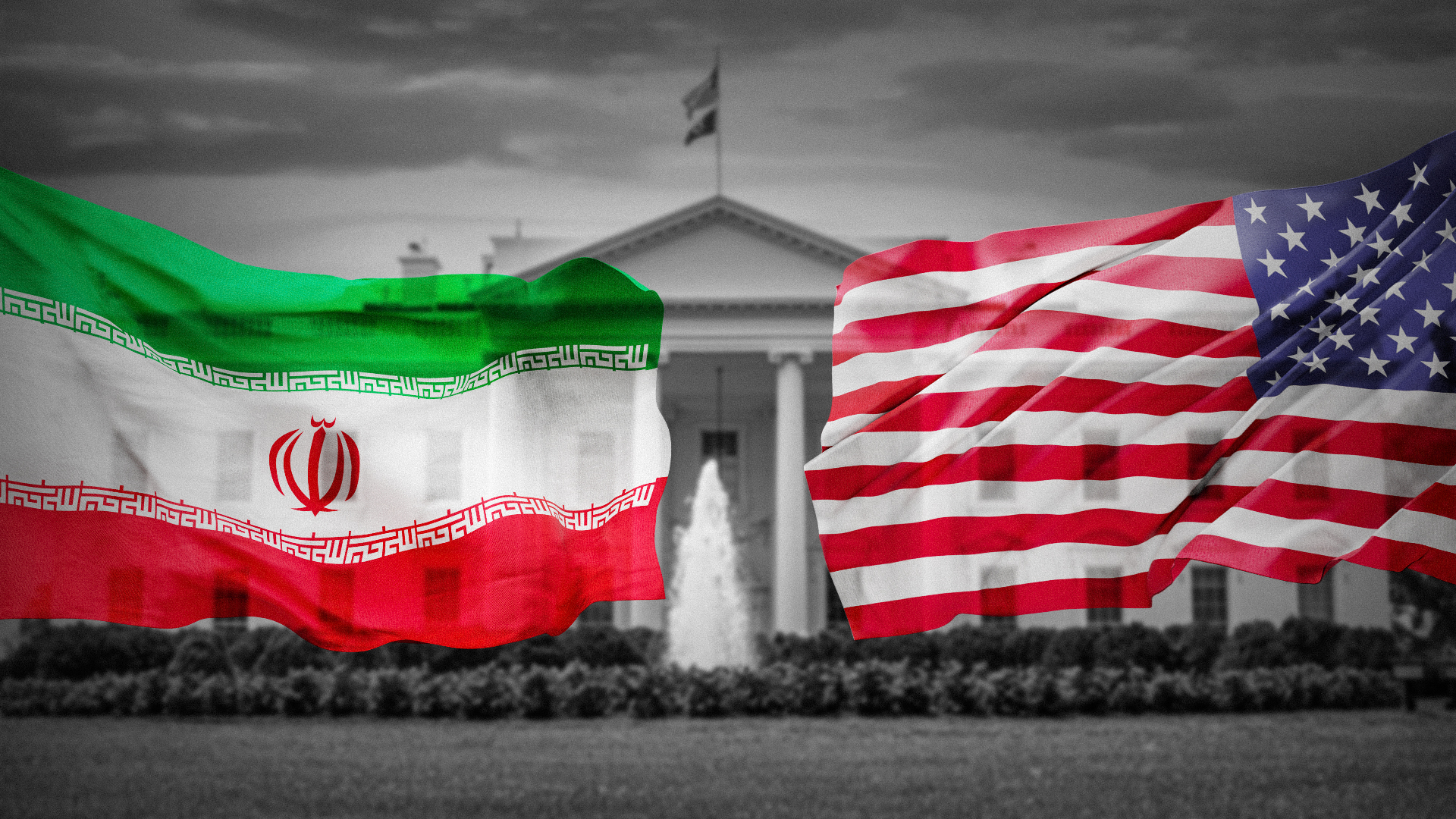
ERBIL (Kurdistan24) - As debate intensifies over a possible agreement between Washington and Tehran, a senior White House official said Iran would not receive sanctions relief, access to frozen funds, or other economic benefits until it fully meets a series of commitments under a proposed performance-based framework.
Speaking to Fox News on Friday, the official said Iran had agreed in principle to a deal requiring significant concessions before any benefits are granted.
According to the official, Iran's nuclear materials would be destroyed and removed, its nuclear program dismantled, and none of its funds would be released until Tehran fulfills its obligations. The official also said the Strait of Hormuz would remain open and that Iran would agree to stop funding terrorist groups.
The remarks came as competing narratives emerged over the contents of a potential U.S.-Iran agreement and reports circulated in regional media regarding a draft memorandum of understanding between the two countries.
Araghchi calls for patience
Iranian Foreign Minister Abbas Araghchi addressed the issue in a post on X, saying the proposed Islamabad Memorandum of Understanding has "never been closer" to completion.
"Pending its finalization, the media should refrain from entering speculation about its content," Araghchi wrote.
The Islamabad Memorandum of Understanding has never been closer. Pending its finalization, the media should refrain from entering speculation about its content.
— Seyed Abbas Araghchi (@araghchi) June 12, 2026
In line with our responsible and transparent approach, all details will be shared with the public in due course.
He added that, in line with what he described as a responsible and transparent approach, all details would be shared publicly at the appropriate time.
Araghchi's post was later reposted by U.S. President Donald Trump on his Truth Social platform, a move that drew additional attention to the ongoing negotiations.
The latest developments follow comments by Trump earlier Friday, in which he sharply criticized reports about the contents of a possible agreement.
In a post on Truth Social, Trump accused Iranian officials of acting in bad faith and said terms reportedly leaked to media outlets did not reflect what had been agreed upon during negotiations.
"The terms that Iran leaked out to the Fake News have NOTHING to do with the terms that were agreed to, in writing," Trump wrote.
He further described Iranian officials as "very dishonorable people to deal with" and dismissed reports suggesting Tehran had secured major concessions from Washington.
Vance disputes reports of immediate payments
U.S. Vice President J.D. Vance also sought to counter reports surrounding the negotiations.
In a statement posted on X, Vance said claims that Iran would receive immediate financial benefits simply for signing an agreement were false.
"The Iranians are not receiving any cash, and no funds are being released for simply signing a deal or attending a meeting," Vance wrote.
He said any economic benefits would be tied to Iran meeting its obligations and argued that the proposed framework prioritizes the security interests of the United States and its allies.
"If the Islamic Republic of Iran meets its obligations, then economic benefits will flow to them and to the entire region," Vance said.
The White House statements contrast with reports about a draft memorandum that reportedly includes broad provisions covering sanctions relief, regional security arrangements, and the future of the Strait of Hormuz.
According to information previously reported by Iran's Mehr News Agency and attributed to a source close to the Iranian negotiating team, the draft outlines a framework extending beyond a traditional ceasefire and includes provisions related to economic reconstruction, sanctions, and maritime security.
However, U.S. officials have repeatedly challenged reports suggesting Tehran would receive immediate financial benefits, insisting that any relief would depend on verified compliance with agreed commitments.
The differing public accounts underscore the fragile nature of the negotiations as both sides continue discussions over one of the most consequential diplomatic initiatives currently underway in the Middle East.