Kurdistan Announces Two Integrated Tourism Cities for Mount Zawa and Duhok Dam
The KRG will develop two modern tourist cities at Mount Zawa and the Duhok Dam as part of a broader push to boost tourism, create thousands of jobs, diversify the economy, and attract international investment through integrated, world-class destinations.
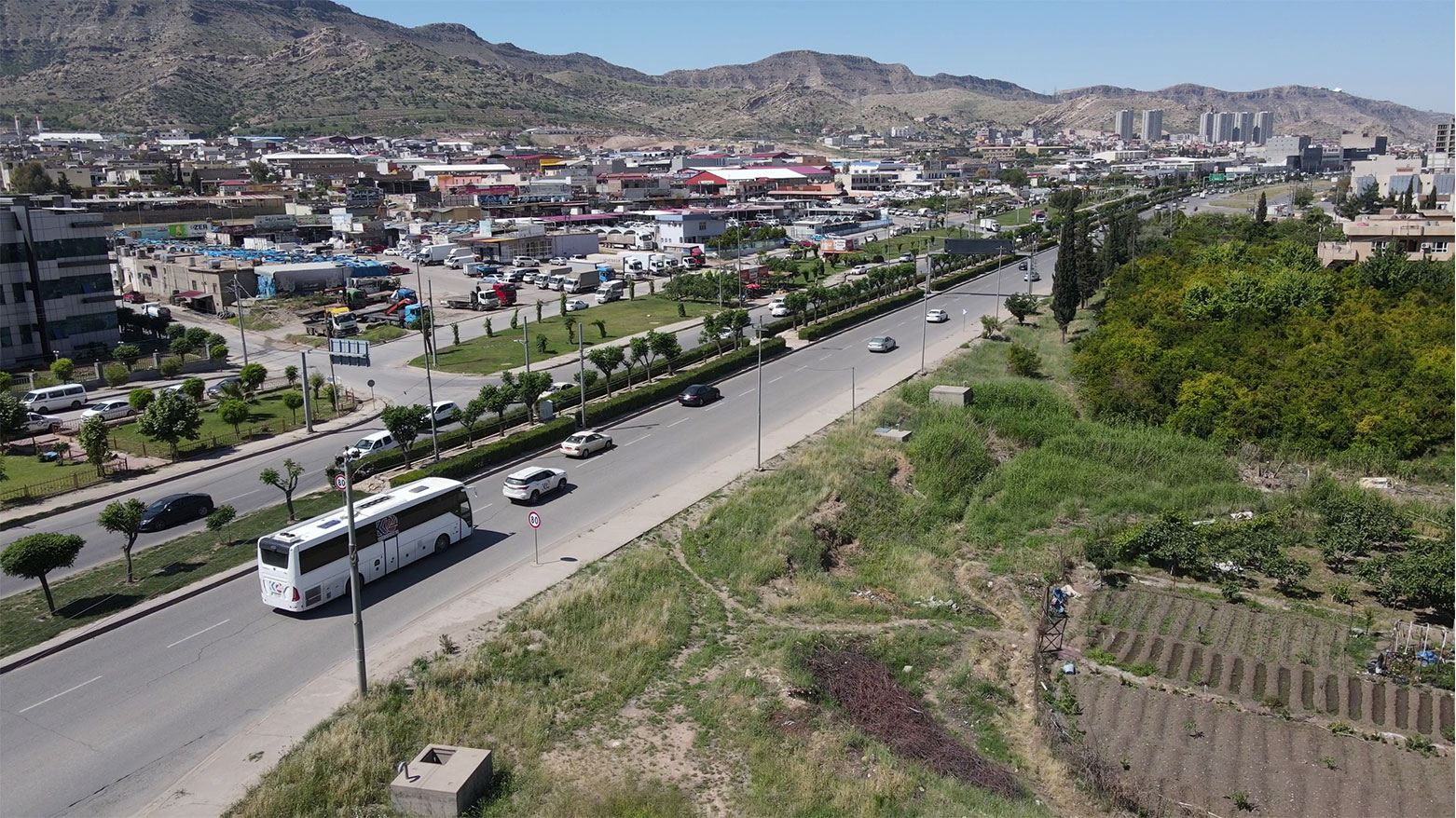
ERBIL (Kurdistan24) - For decades, tourism in the Kurdistan Region has largely relied on the inherent appeal of its rugged geography and natural waterways, often developed through a patchwork of independent resorts and local eateries. Now, the Kurdistan Regional Government (KRG) is preparing a strategic departure from that model, unveiling an ambitious master plan to construct two integrated, modern "tourist cities" centered on Mount Zawa and the Duhok Dam.
The announcement represents a significant shift in how regional authorities are conceptualizing infrastructure and economic diversification. Rather than relying on isolated ventures, the new developments in Duhok Province are designed as cohesive urban and recreational ecosystems.
According to Dr. Haval Siddiq, the Director General of Investment for Duhok Province, the projects are slated for completion within a three-to-six-year timeframe and are expected to generate thousands of direct and indirect employment opportunities.
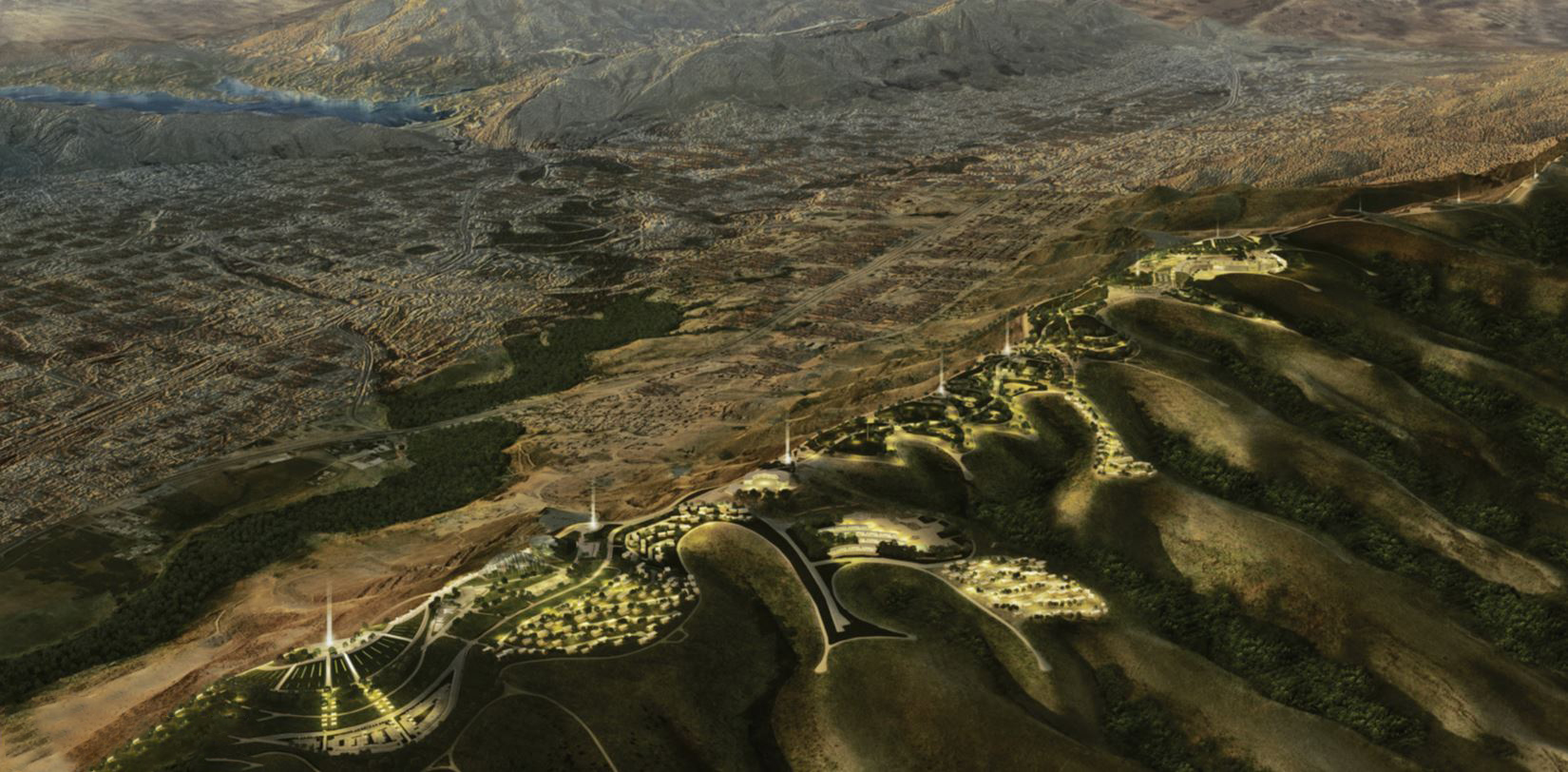
"These projects are a high priority for the KRG, particularly for Prime Minister Masrour Barzani," Dr. Siddiq told Kurdistan24 in a recent interview. "The objective is to revitalize the tourism sector, diversify revenue streams, and attract international tourists to the Kurdistan Region."
The dual master plans are anchored by two of Duhok’s most prominent natural landmarks.
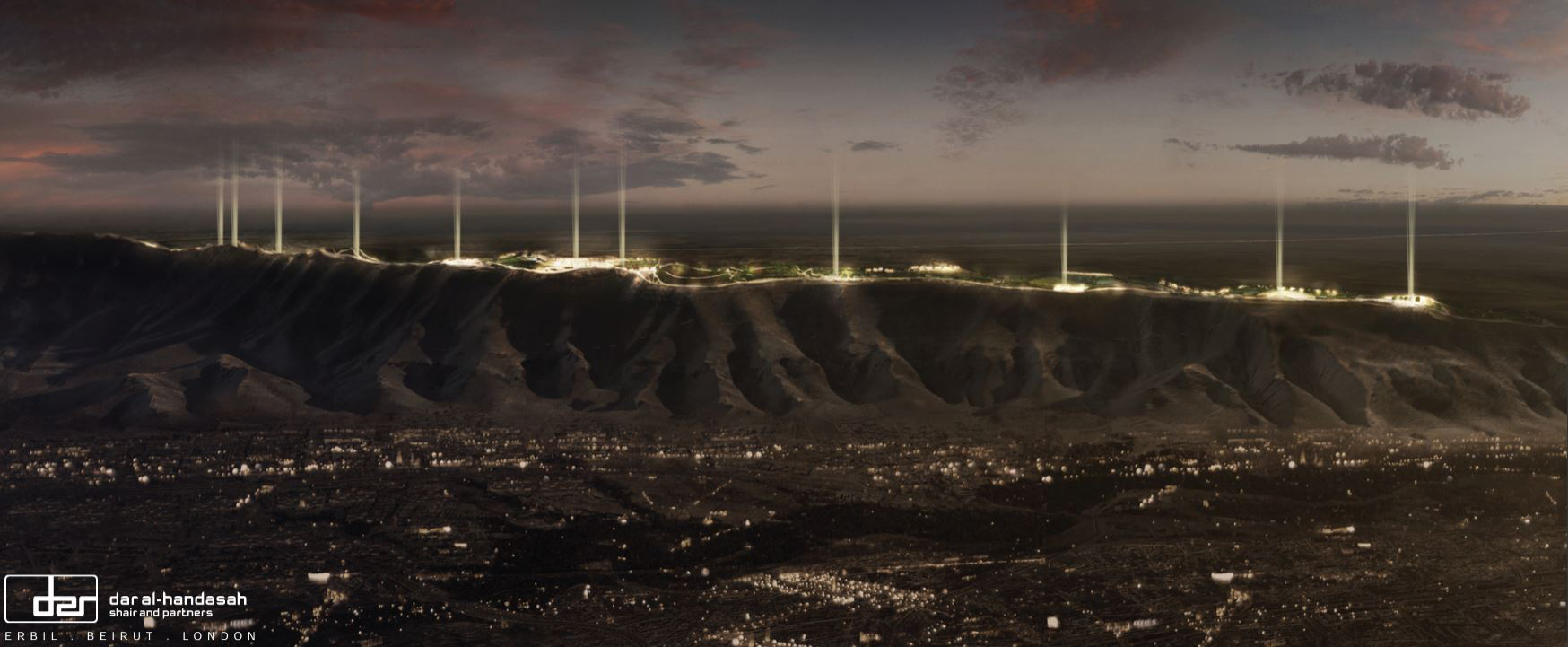
Mount Zawa, which already offers a panoramic view over the city and is accessible by a recently installed cable car, will be transformed into a comprehensive mountain resort.
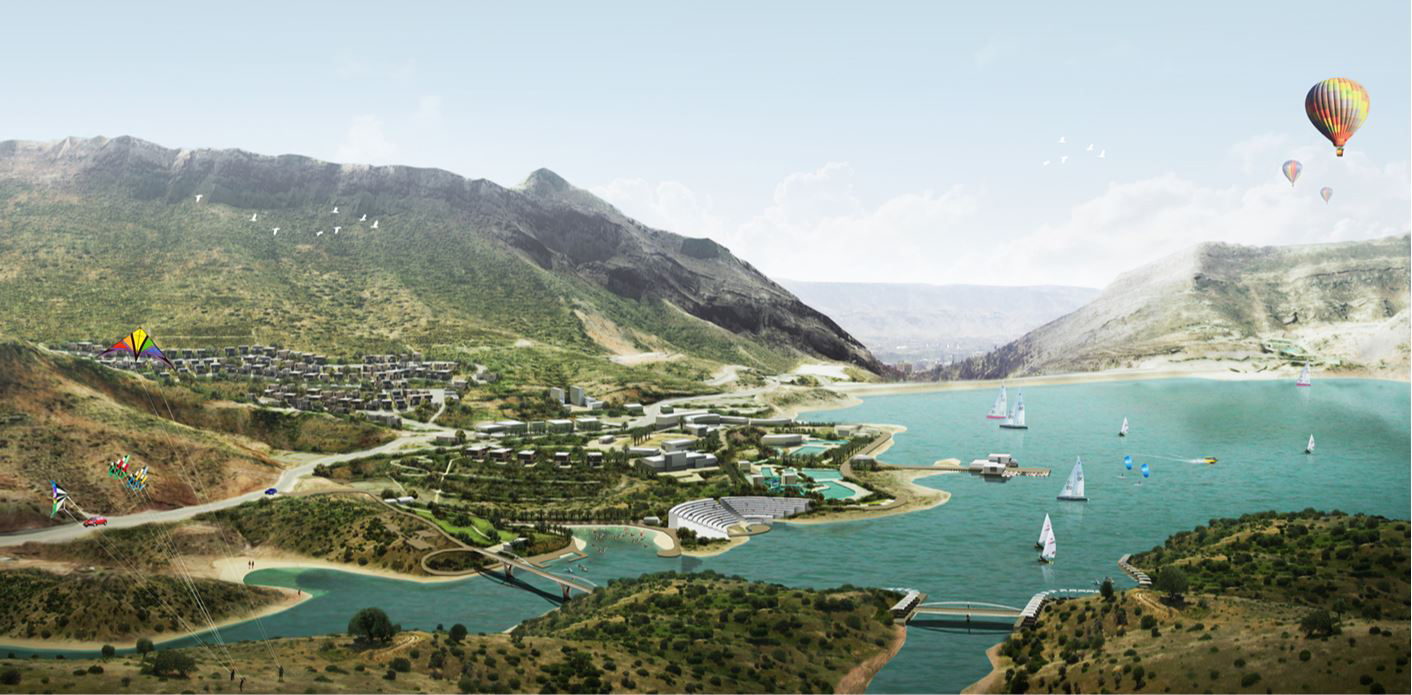
The second city will be built behind the Duhok Dam, capitalizing on the reservoir's scenic waterfront and the surrounding highlands.
Dr. Siddiq emphasized that these developments differ fundamentally from past initiatives.
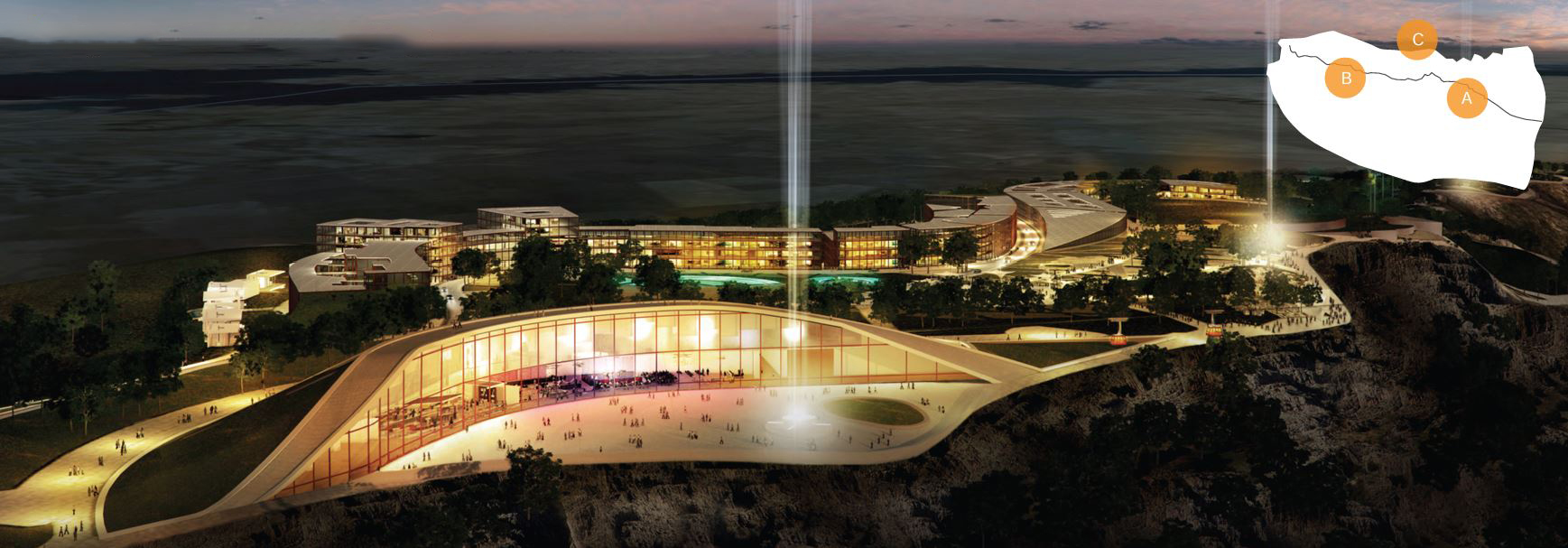
They are intended to function as integrated destinations featuring international brands, modern cafés, restaurants, motels, and diverse leisure facilities, all operating within a unified architectural and infrastructural vision.
The implementation strategy also reflects a more sophisticated approach to public-private partnership.
For the Duhok Dam project, the government will not wait for private capital to break ground. Instead, the local administration plans to utilize the Duhok provincial budget to finance and construct a waterfront corniche behind the dam.
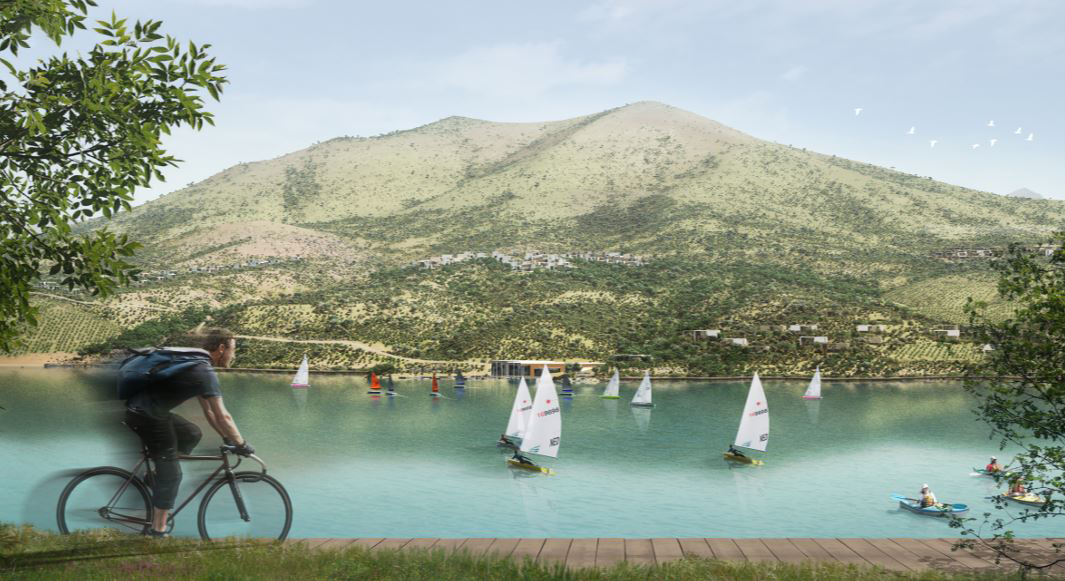
"Once the corniche is complete, we will begin inviting investment for the remaining components of the master plan, allowing various investors to implement specific parts of the project," Dr. Siddiq explained.
By assuming the initial infrastructural risk, the government hopes to create a highly attractive foundation that will draw both local and foreign capital for the subsequent commercial phases.
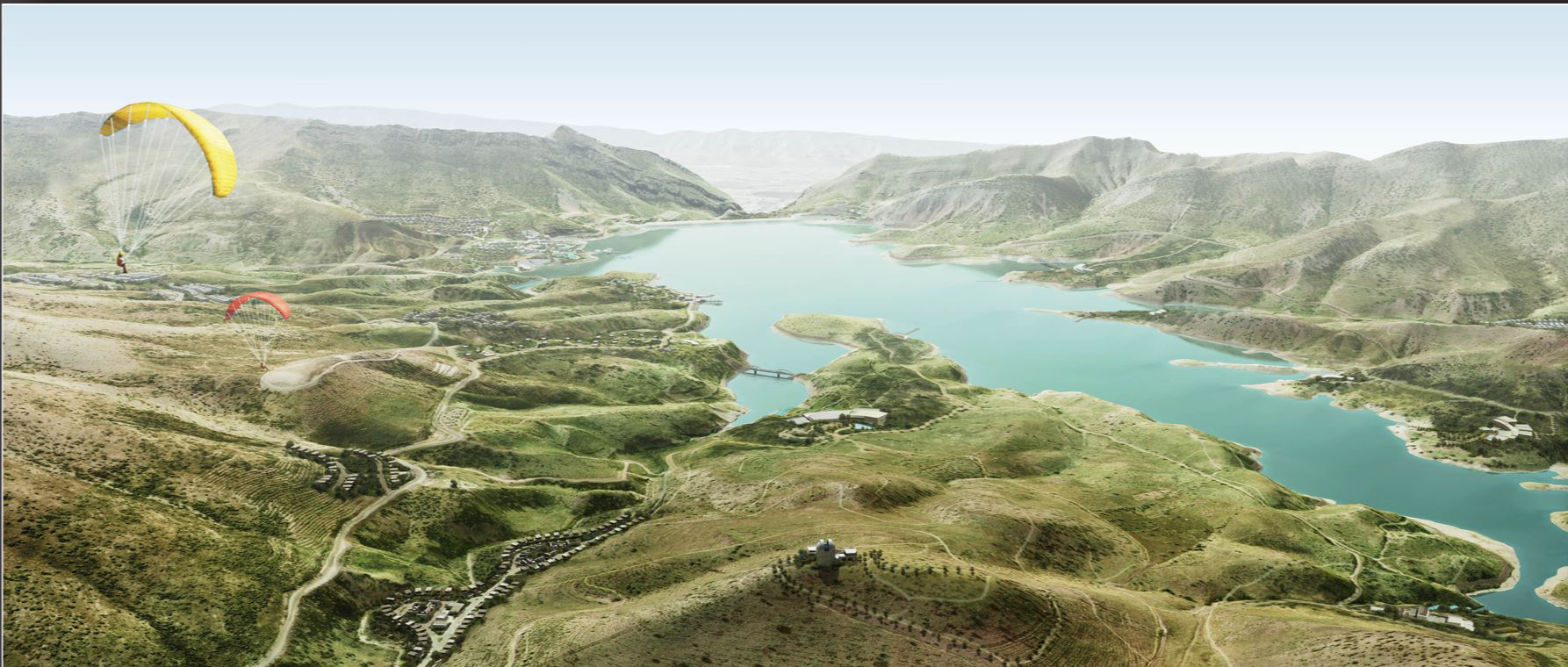
While the exact financial footprint of the two cities remains undetermined, due to the phased, multi-component nature of the master plans, Dr. Siddiq noted that specific deadlines will be enforced once investors are awarded their respective segments, ensuring the projects progress steadily toward full operation.
The developments in Duhok are not occurring in isolation; they are a focal point of a much broader, region-wide pivot toward a post-oil economy.
The KRG recently introduced a massive investment roadmap comprising two dozen strategic tourism projects spread across all provinces and independent administrations.
Read More: KRG Opens 24 Tourism Investment Opportunities with Tax-Free Incentives
Prime Minister Barzani has repeatedly positioned tourism as a critical pillar for sustainable economic growth, portraying the sector as an effective vehicle for introducing the region's culture, history, and geography to a global audience.
To guarantee the success of this nationwide push, the government has rolled out an unprecedented suite of incentives for developers.
Investors are being offered fully serviced land, complete with roads, water, electricity, and internet, alongside sweeping financial exemptions, including a ten-year holiday from all taxes and non-customs duties.
Crucially, the KRG is permitting foreign investors full ownership of their projects and guaranteeing the unrestricted repatriation of profits and capital.
For Duhok, a province that already welcomes over two million visitors annually, the transition from fragmented leisure spots to fully integrated tourist cities represents a bold economic bet.
If successful, the transformation of Mount Zawa and the Duhok Dam will not only redefine the skyline of the province but could serve as the definitive blueprint for the future of Kurdish tourism.
|
Summary The Kurdistan Regional Government has announced the development of two modern tourist cities on Mount Zawa and the Duhok Dam. Moving away from fragmented projects, the integrated master plans aim to diversify revenue, create thousands of jobs, and attract international visitors within three to six years. |