Iraq Prime Minister Vows No Mercy in Stage One of Corruption Crackdown
Iraq's Prime Minister Ali al-Zaidi declares Iraq's anti-corruption campaign is only in its "first stage" as 47 officials are arrested and the KRG handovers suspects to Baghdad.
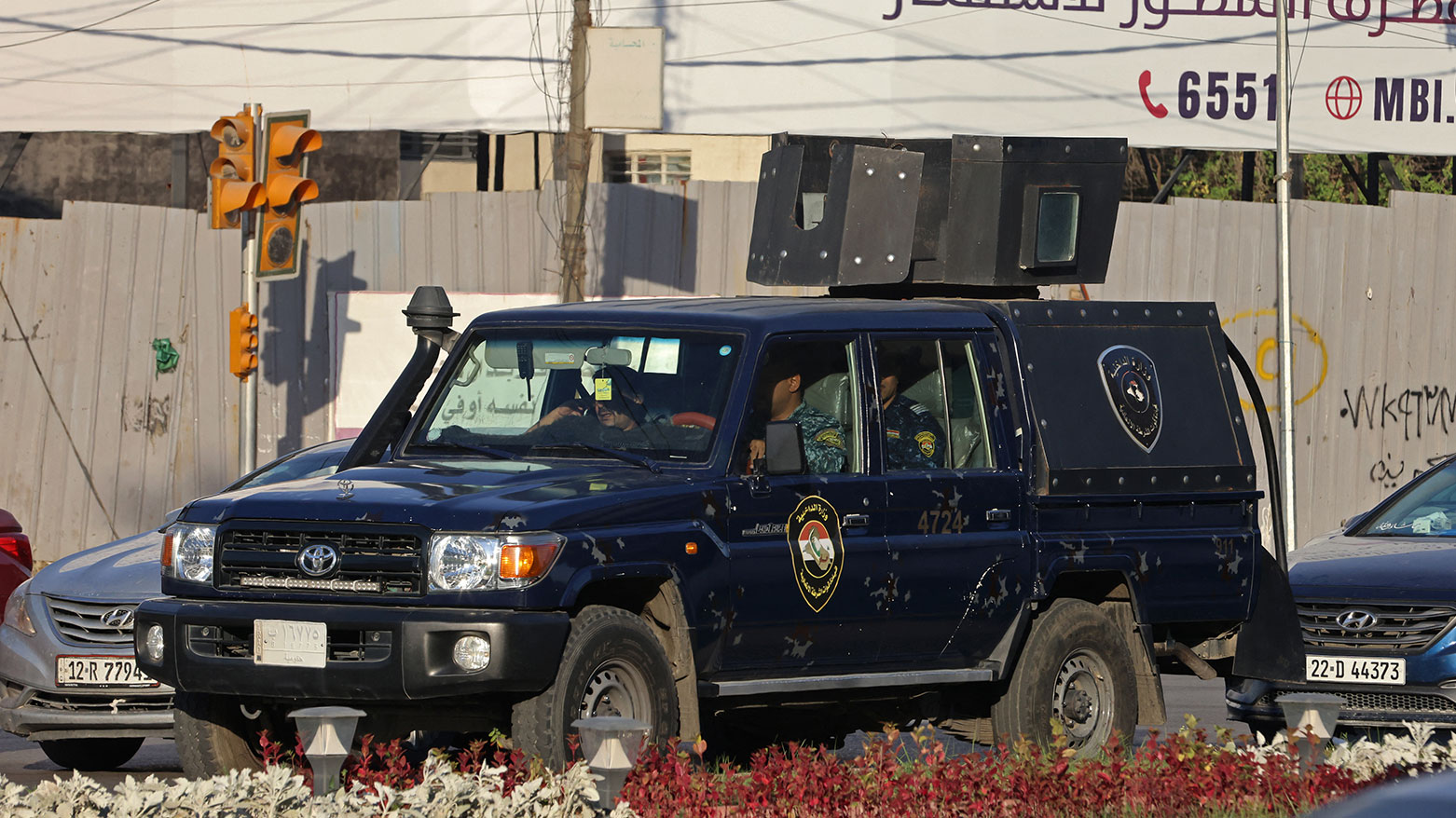
ERBIL (Kurdistan24) - In the ornate halls of Baghdad's Council of Ministers, a profound shift in Iraq's political gravity was articulated this week. Presiding over the eighth regular session of the cabinet, Prime Minister Ali Falih al-Zaidi delivered a message that was as much a warning to the entrenched elite as it was a promise to a weary public: the sweeping anti-corruption offensive that has recently shaken the capital is not a fleeting moment of political theater, but the opening salvo of a long-term institutional war.
"The recent measures against those who have compromised the public trust are merely in their infancy," al-Zaidi told his ministers on Sunday. He framed the current judicial and security offensive as the "first stage" of a comprehensive strategy to restore the rule of law and consolidate state authority.
For a country where the siphoning of state wealth has long been viewed as an intractable systemic byproduct, the Prime Minister's rhetoric suggested a departure from the eras of stagnation.
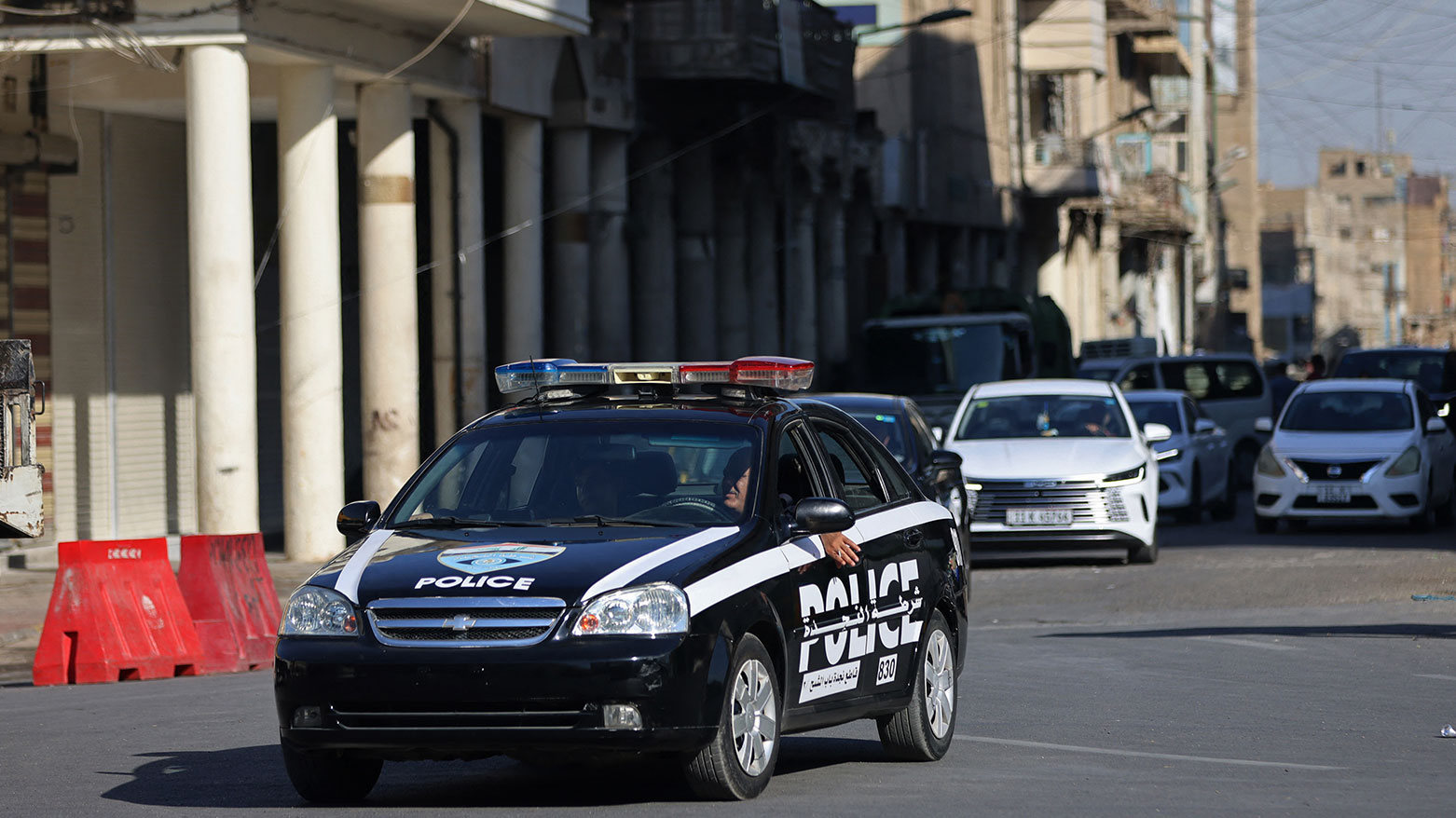
He declared that the state would no longer tolerate negligence or silence in the face of embezzlement, signaling that the era of corrupt sanctuary within the government apparatus had come to a definitive end.
The reverberations of al-Zaidi's policy were felt almost immediately across the country's jurisdictional lines.
In a vivid demonstration of growing institutional synchronization between Erbil and Baghdad, Kurdistan Region security forces executed a high-profile arrest and transfer operation on Sunday evening.
At the Sherawa checkpoint, under the fading light of 8:00 p.m., Kurdish authorities handed over three prominent suspects, Ziyad al-Janabi, Hind al-Abbasi, and Mohammed al-Mayahi, to federal security forces.
Read More: Kurdistan Region Arrests Three Corruption Suspects, Hands Them Over to Baghdad
The handover followed nearly an hour of legal formalities, marking a significant milestone in cross-border judicial cooperation.
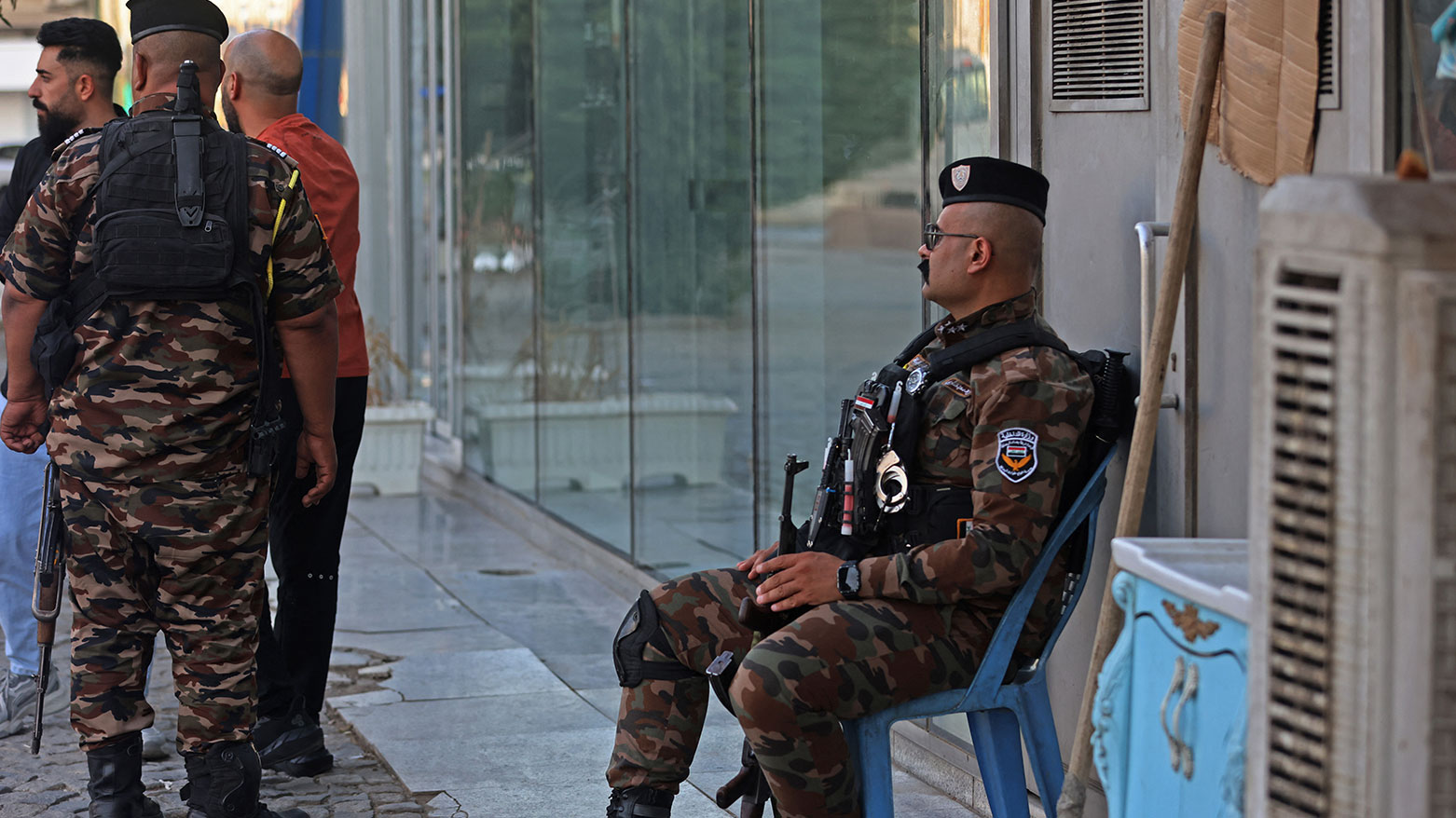
According to previous reporting from Kurdistan24 correspondent Hoshmand Sadiq, the arrests were carried out at the formal request of the federal government and the Federal Integrity Commission.
This cooperation extends a clear signal: the Kurdistan Regional Government (KRG) has committed to ensuring that its provinces, Erbil, Sulaimani, and Duhok, will not serve as a refuge for those sought by federal anti-corruption warrants.
The scale of the federal operation is staggering.
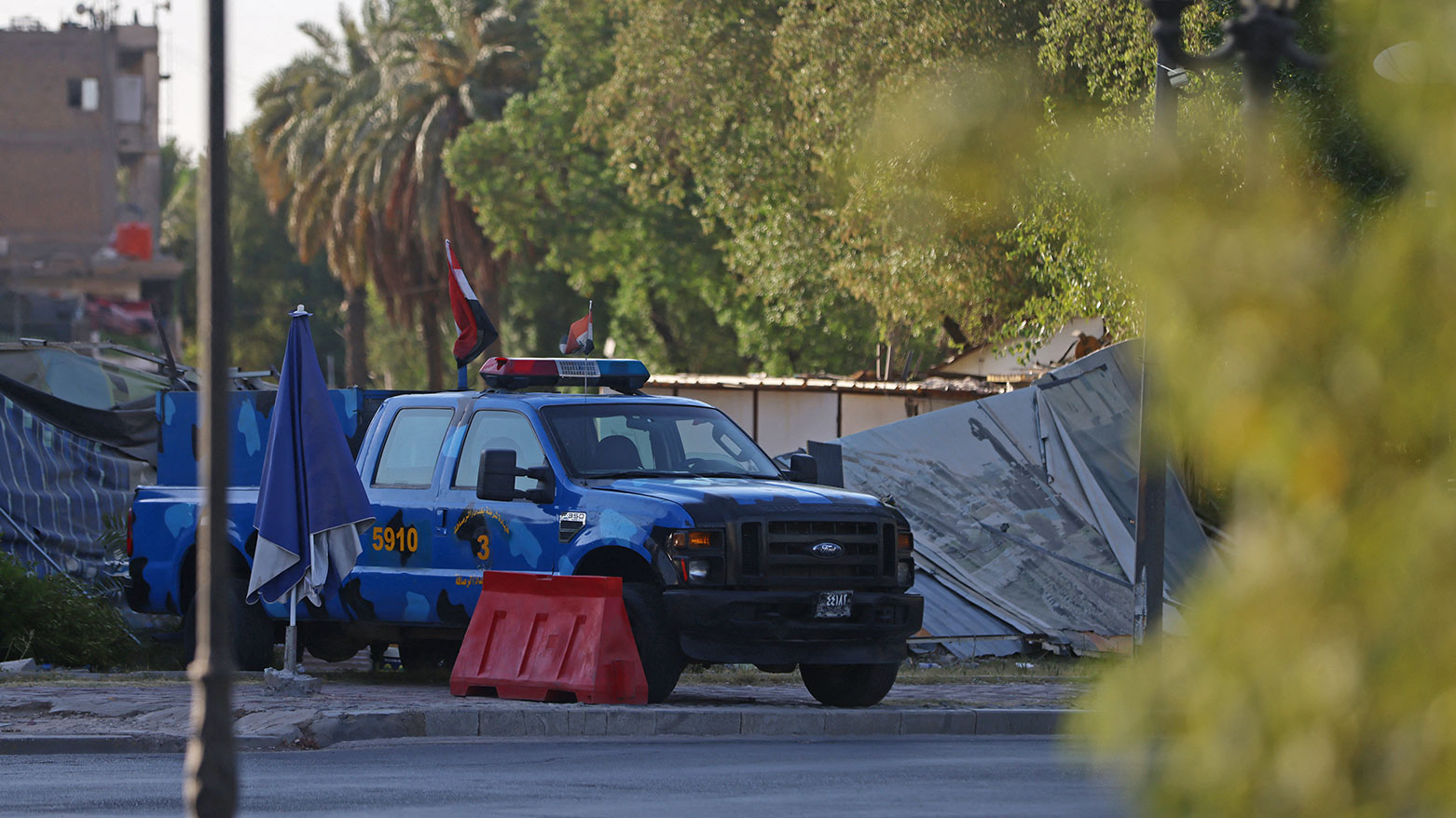
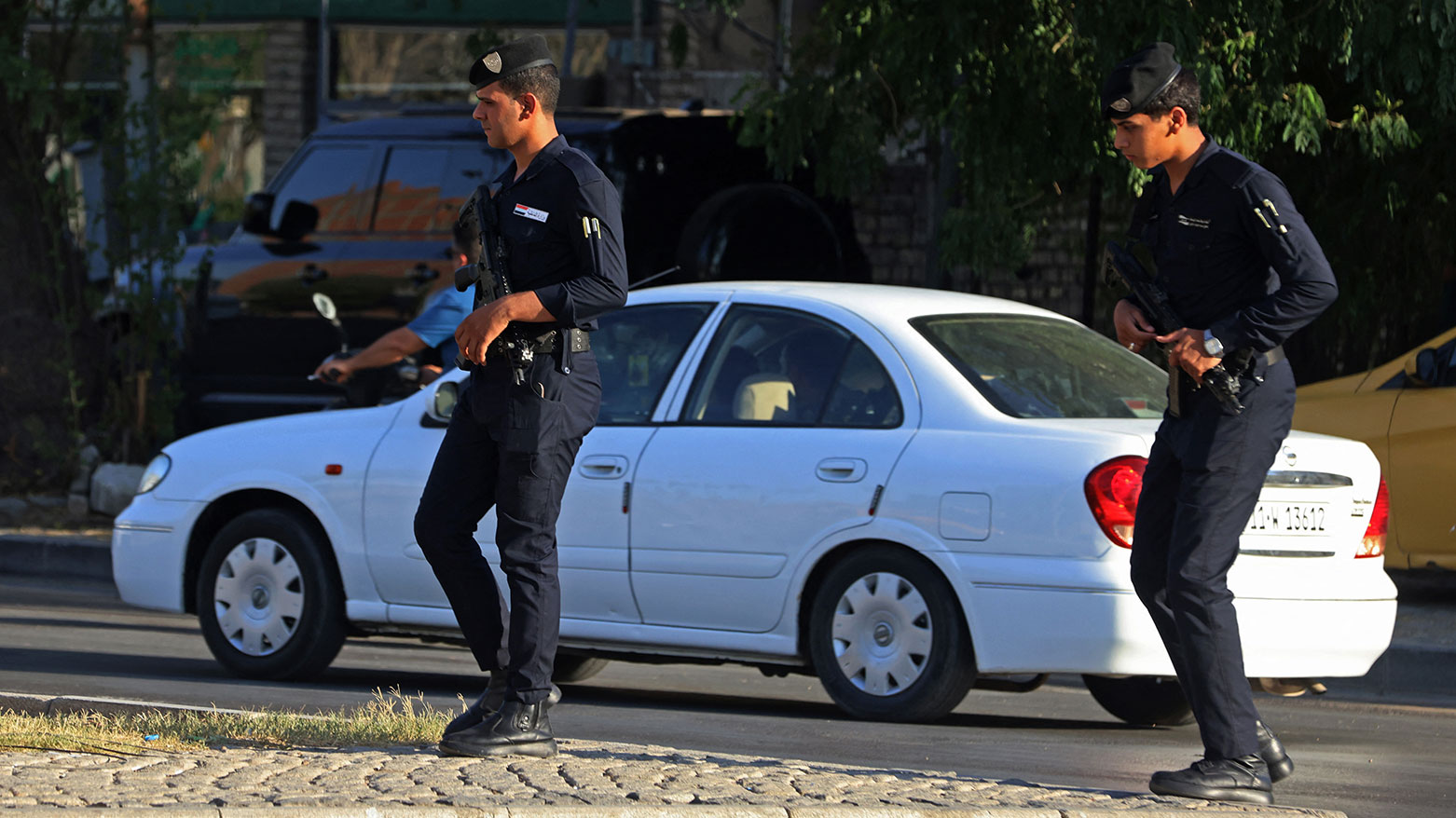
By Sunday afternoon, high-level sources informed the Iraqi News Agency (INA) that 47 suspects, including sitting members of parliament and senior government officials, had been taken into custody.
In a twist of profound irony, the arrests included the very leadership of the Iraqi Parliament's Integrity Committee.
Ziad al-Janabi, the committee's chairman, and his deputy, Alia Nassif, were among those detained under judicial warrants. The list of detainees reads like a directory of the Iraqi political class, spanning various alliances including the Azm Alliance and prominent independent blocs.
Read More: Iraqi State Media: 47 Lawmakers and Officials Arrested in Corruption Probe
This judicial earthquake was not triggered in a vacuum. Investigators have traced the current momentum back to the May 2026 arrest of Adnan al-Jumaili, the former Ministry of Oil Undersecretary infamously dubbed the "Oil Whale."
Al-Jumaili's detention was the catalyst that unraveled a labyrinthine network of graft, leading to the sensational recovery of hundreds of billions of dinars and tens of millions of dollars in cash, much of it found buried in gardens or secreted in luxury properties.
While the security forces were active on the ground, the political landscape shifted in tandem.
A rare cross-factional consensus appeared to emerge in support of al-Zaidi's campaign.
The Kurdistan Democratic Party (KDP) Parliamentary Bloc issued a robust endorsement, calling for the legal measures to be applied nationwide "without discrimination or exception." The bloc emphasized that Iraqi citizens are entitled to transparent governance and the restoration of rights lost to decades of systemic theft.
Read More: KDP Parliamentary Bloc Backs Iraq's Anti-Corruption Campaign, Calls for Nationwide Crackdown
Similarly, the State of Law Coalition, led by Nouri al-Maliki, pledged its full support. Maliki congratulated the Prime Minister and the judiciary on a campaign that the Iraqi people had "waited for a very long time."
This backing from influential Shiite political forces is critical; it provides al-Zaidi with the political cover necessary to pursue a crackdown that reaches into the heart of the legislative branch.
Othman Shaibani, a representative of the coalition, noted that the looting of state resources had historically stalled strategic projects, a sentiment that aligns with al-Zaidi's attempt to link anti-corruption to actual service delivery.
Read More: State Of Law Coalition Backs Iraqi Government's Anti-Corruption Campaign
Indeed, the Prime Minister is careful to frame this crackdown not merely as a punitive measure, but as a prerequisite for development. During the cabinet session, al-Zaidi pivoted from the arrests to a broader vision for 2027, announcing a transition to "program-based budgeting."
He also disclosed an ambitious plan to stabilize the national grid by signing contracts for 25,000 megawatts of power generation this year.
By tying the recovery of stolen funds to the stabilization of the electricity sector, al-Zaidi is attempting to show that a clean government is the only path to a functional state.
The Prime Minister's insistence on the state's "monopoly over force and weaponry" serves as the underlying current of this entire initiative.
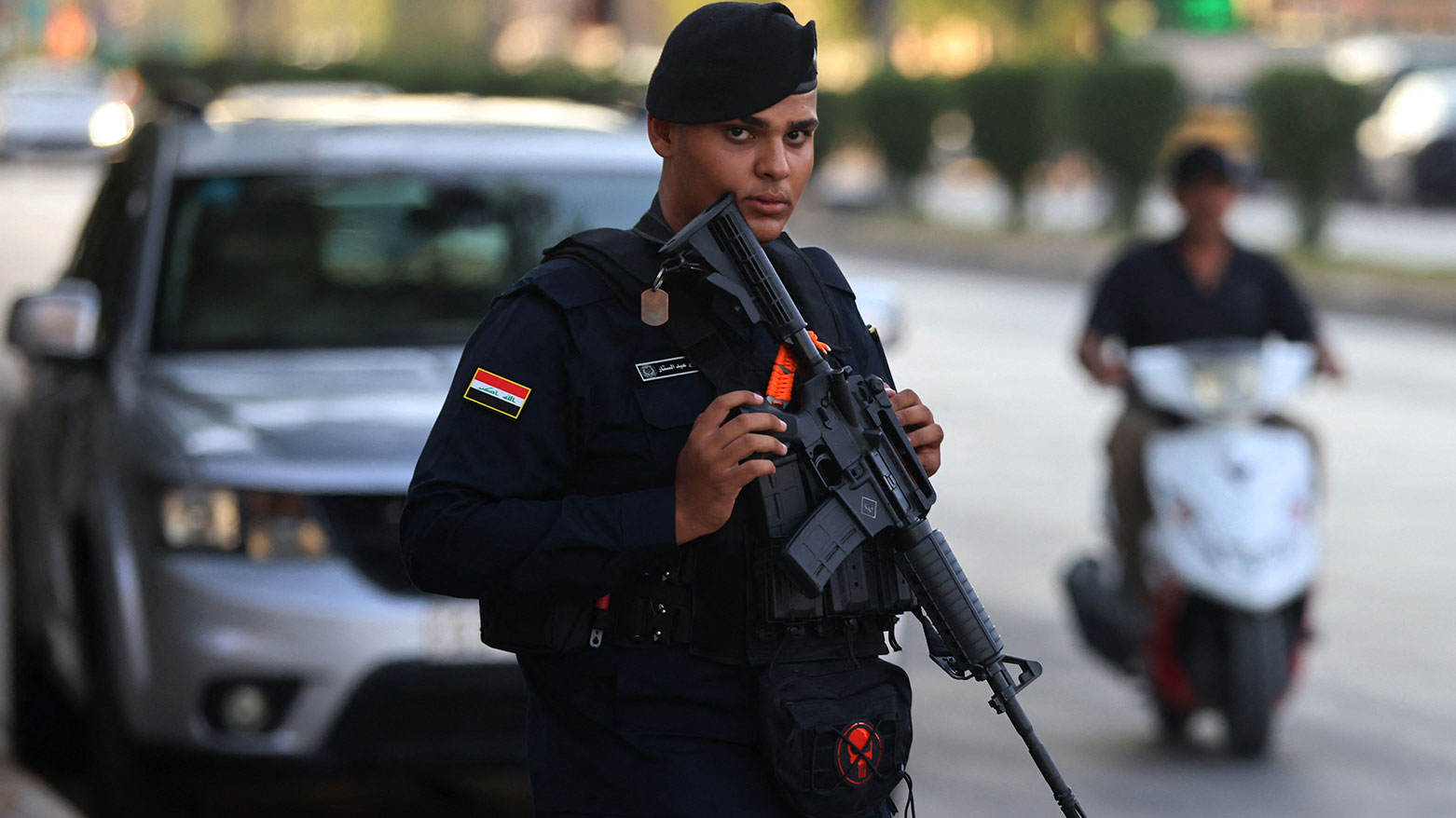
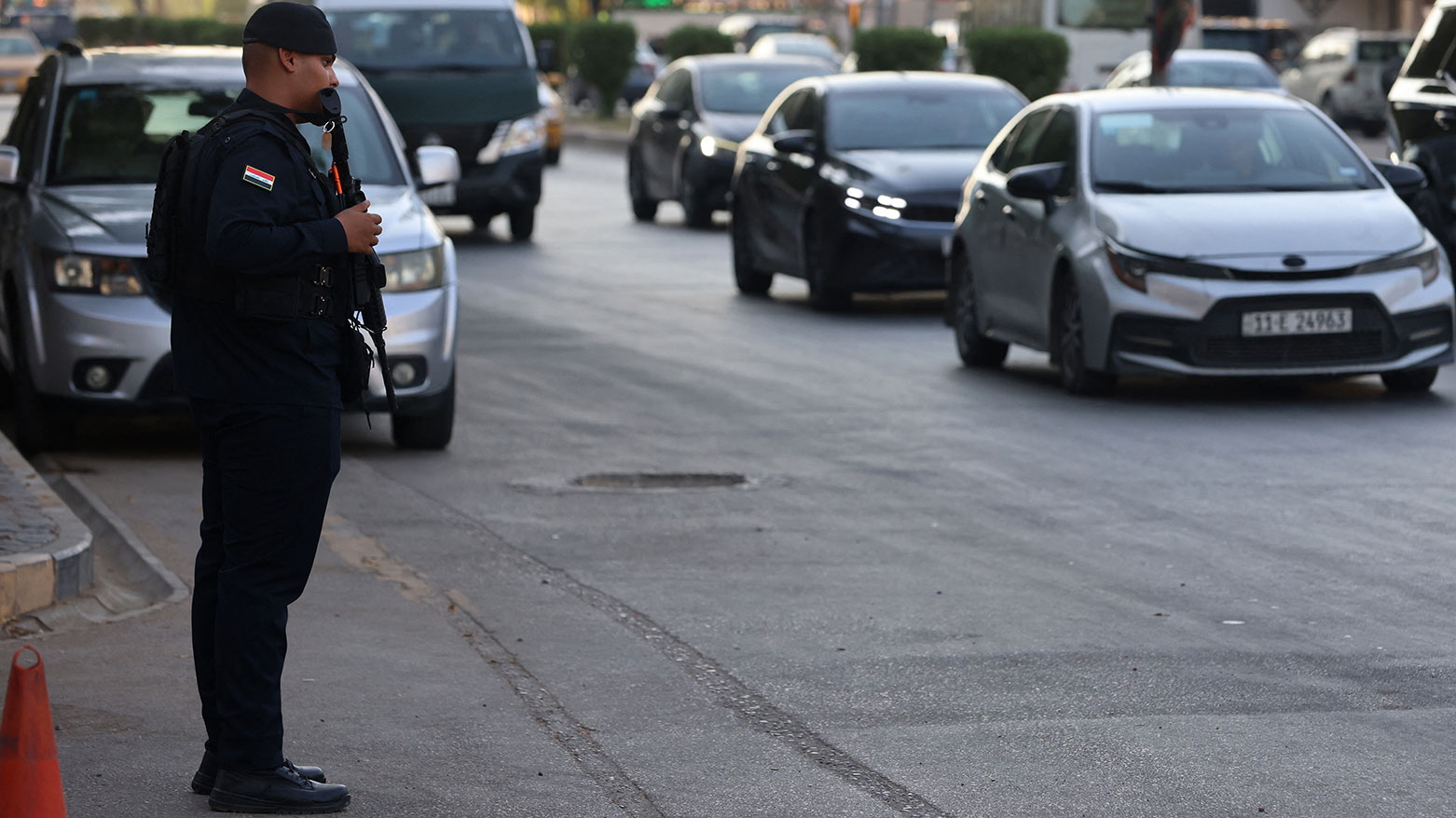
By using the Counter-Terrorism Service (CTS) to execute warrants in the heavily fortified Green Zone, the government is demonstrating that no political title or high-walled compound is beyond the reach of the law.
The Federal Integrity Commission has characterized the achievement as a unified effort between the judiciary, executive, and legislative branches, promising that investigations will proceed with absolute transparency.
However, as the Prime Minister himself noted, the campaign is still in its infancy.
The true test of al-Zaidi's legacy will lie in whether these 47 arrests, and the many expected to follow, translate into lasting institutional reform or if they remain a singular, albeit historic, peak in Iraq’s turbulent history of governance.
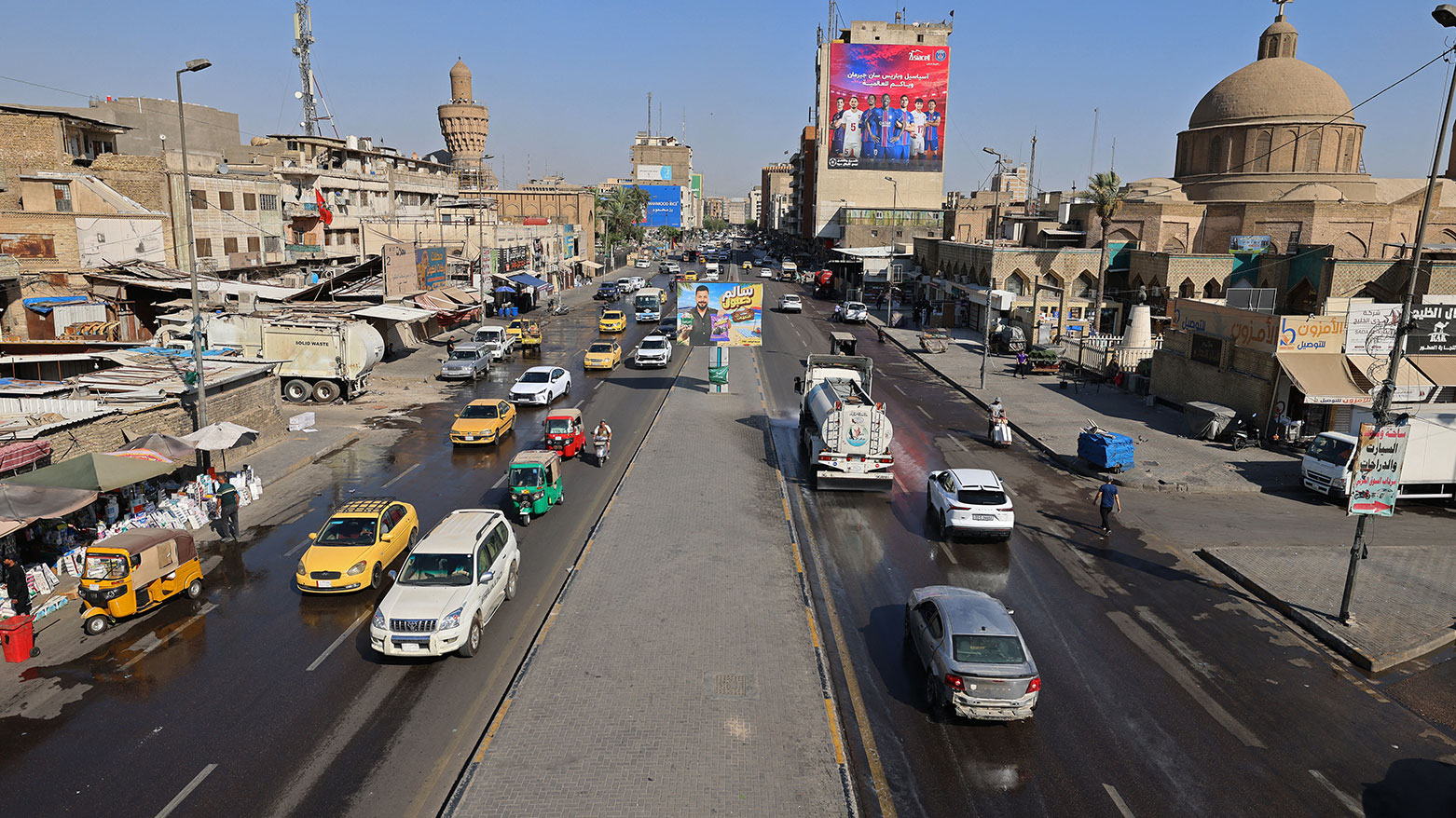
For now, the message from both Baghdad and Erbil is one of unprecedented coordination.
With the "Oil Whale" in custody and the Integrity Committee itself under investigation, the state has begun a process of internal reckoning that, if sustained, could fundamentally redefine the social contract between the Iraqi people and those who govern them.
|
Summary Prime Minister Ali al-Zaidi has declared that Iraq's massive anti-corruption campaign is only in its "initial phase," vowing to restore public funds and state authority. As 47 officials are detained nationwide, unprecedented cooperation between Erbil and Baghdad has seen key suspects handed over to federal authorities. |