Ezidis’ struggle for physical, spiritual haven continues
Displaced Yezidis (Ezidis) are struggling to find a balance between protecting their faith, heritage, and their safety.
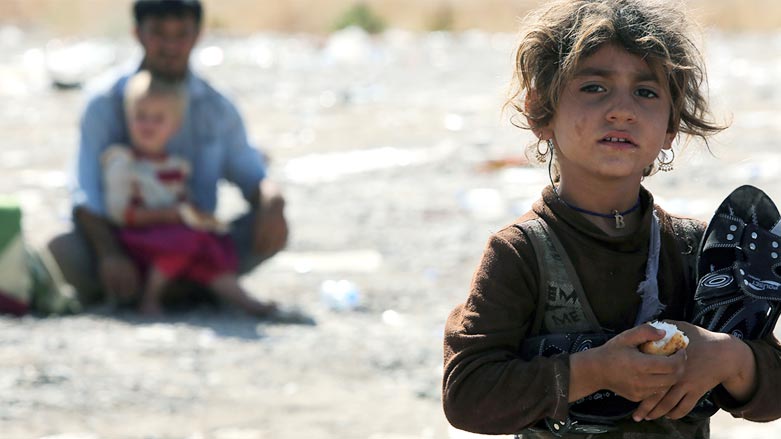
ERBIL, Kurdistan (Kurdistan24) – Displaced Yezidis (Ezidis) are struggling to find a balance between protecting their faith, heritage, and their safety.
In hopes of finding safety among those sharing their faith, several Ezidis from Sinjar (Shingal) ventured to Armenia following persecution by the Islamic State (IS).
However, even among fellow Ezidis in rural communities, they still face challenges two years later.
“We thought we would find peace here, but it’s difficult,” said Ara, who did not want to give his full name in a Reuters interview.
“Here, they think we are too different, that we are not real Ezidis anymore,” he claimed.
According to the article, Armenian Ezidis believe their ethnic kin from Shingal has been influenced by the Islamic traditions of the Iraqi majority.
Christoph Bierwirth, a representative for the UN refugee agency UNHCR in Armenia, said since Shingal was retaken from IS, many of the Iraqi Ezidis returned to their homeland.
Their decision was motivated in part by difficulties they faced integrating in Armenia, he said.
“The lifestyle is very different for those in Shingal and the Ezidi communities here,” Bierwirth explained.
However, those in Shingal face ongoing security risks at the hands of external powers.
In the early hours of April 25, many Ezidis living in tents were forced to flee by Turkish airstrikes in and around Mount Shingal.
“The Ezidis of Mount Shingal are terrified. They feel threatened and unsafe,” Yakhi Hamza, country director of the 1st New Allied Expeditionary Force, a humanitarian nonprofit delivering medical help to the most vulnerable Ezidis, told Fox News after inspecting the damage.
“They thought IS days were almost done, and they can return to their villages and towns, but now they face a bigger problem,” he continued.
“Turkey is a more dangerous threat than IS and attacking Ezidis from above,” the director added.
The strikes are reported to have killed at least 70 people in the Iraq-Syria border area, with one bomb killing at least five Peshmerga fighters.
“The strikes [also] hit the only civilian clinic on the Mountain Shingal,” Hamza said.
“The clinic was run by a volunteer, Dr. Khansa, who was selflessly serving [the] displaced Ezidi community on the mountain from Day One,” he continued.
Due to security concerns, many Ezidis have yet to return home. For some, permanent displacement is simply not an option.
“Yes, we will preserve our culture, but it will not be the same,” wrote Dawud Khetari, an Ezidi historian from the Sheikhan region, in a University College London publication.
“We will lose our language,” he added. “We will lose our traditions when far away from the burial grounds and pilgrimage sites.”
Northern Iraq was once home to around 400,000 Ezidis.
Now, UN investigators estimate over 5,000 Ezidis were executed and some 7,000 women and girls forced into sex slavery.
Editing by Karzan Sulaivany