HRW: Iraq judicial system violating rights of Islamic State suspects
The judicial system in Iraq is failing to protect the rights of Islamic State (IS) suspects with arbitrary detention under strict conditions, flawed trials, and broad prosecutions plaguing the country, Human Rights Watch (HRW) reported on Tuesday.
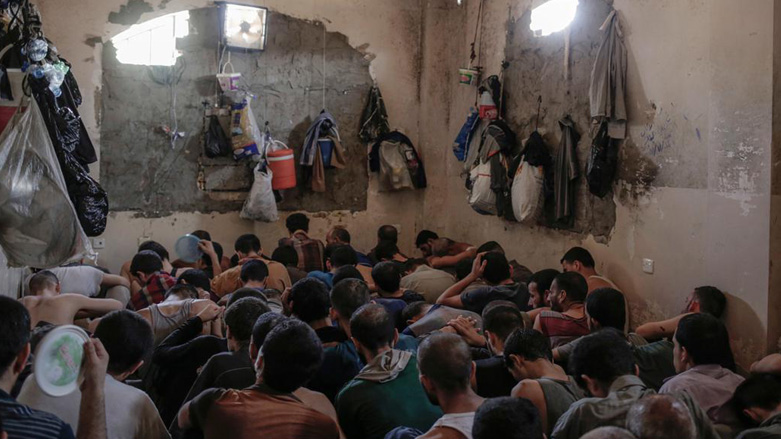
ERBIL, Kurdistan Region (Kurdistan 24) – The judicial system in Iraq is failing to protect the rights of Islamic State (IS) suspects with arbitrary detention under strict conditions, flawed trials, and broad prosecutions plaguing the country, Human Rights Watch (HRW) reported on Tuesday.
Thousands of IS suspects have been captured, imprisoned and put on trial as the extremist group loses control over territory they held in Iraq and Syria, their violent so-called caliphate’s existence drawing to an end in both countries.
Over 200 suspects have been sentenced and more than 92 executed in Iraq, according to HRW.
The human rights organization stated in a 76-page report that they had found “serious legal shortcomings that undermine efforts to bring [IS] fighters, members, and affiliates to justice.”
“Iraq’s handling of ISIS trials are a missed opportunity to show its people, the world, and indeed ISIS that it is a nation ruled by laws, due process, and justice, capable of bringing accountability for the gravest crimes and reconciliation for all of the communities affected by this war,” said Sarah Leah Whitson, Middle East director at HRW. “Iraqi justice is failing to distinguish between the culpability of doctors who protected lives under ISIS rule and those responsible for crimes against humanity.”
The organization also criticized Iraqi authorities for not having “national strategy to prioritize prosecutions of those responsible for the worst abuses, or to bring charges that capture the broad range of crimes ISIS members have committed.”
It also lamented that authorities prosecute all detained suspects under the counter-terrorism law, and do not focus on specific crimes or actions they may have committed. The HRW also included shortcomings and challenges the Kurdistan Regional Government (KRG) experiences in handling the cases, warning of rights’ violations.
“I had a case yesterday of an ISIS cook, and I have recommended giving him the death penalty. How could the ISIS fighter have executed someone if he had not been fed a good meal the night before?” a senior counterterrorism judge in Baghdad told Human Rights Watch.
As ties between Erbil and Baghdad deteriorated following the Sep. 25 referendum on independence, the Federal Government of Iraq asked the KRG to handover IS prisoners to Baghdad, a request the Kurdish government refused to serve.
The jihadist group kidnapped, tortured, and executed thousands of people in Iraq, mainly Ezidis (Yezidis) following their emergence in northern Iraq in 2014.
Thousands of people remain missing, and mass graves continue to be discovered in the country.
Editing by Nadia Riva