Israeli Air Force Strikes Elite Hezbollah "Radwan Force" Training Complex in Southern Lebanon
IDF Air Force struck Hezbollah's elite Radwan Force training compound and other military sites in southern Lebanon, citing threats to Israel.
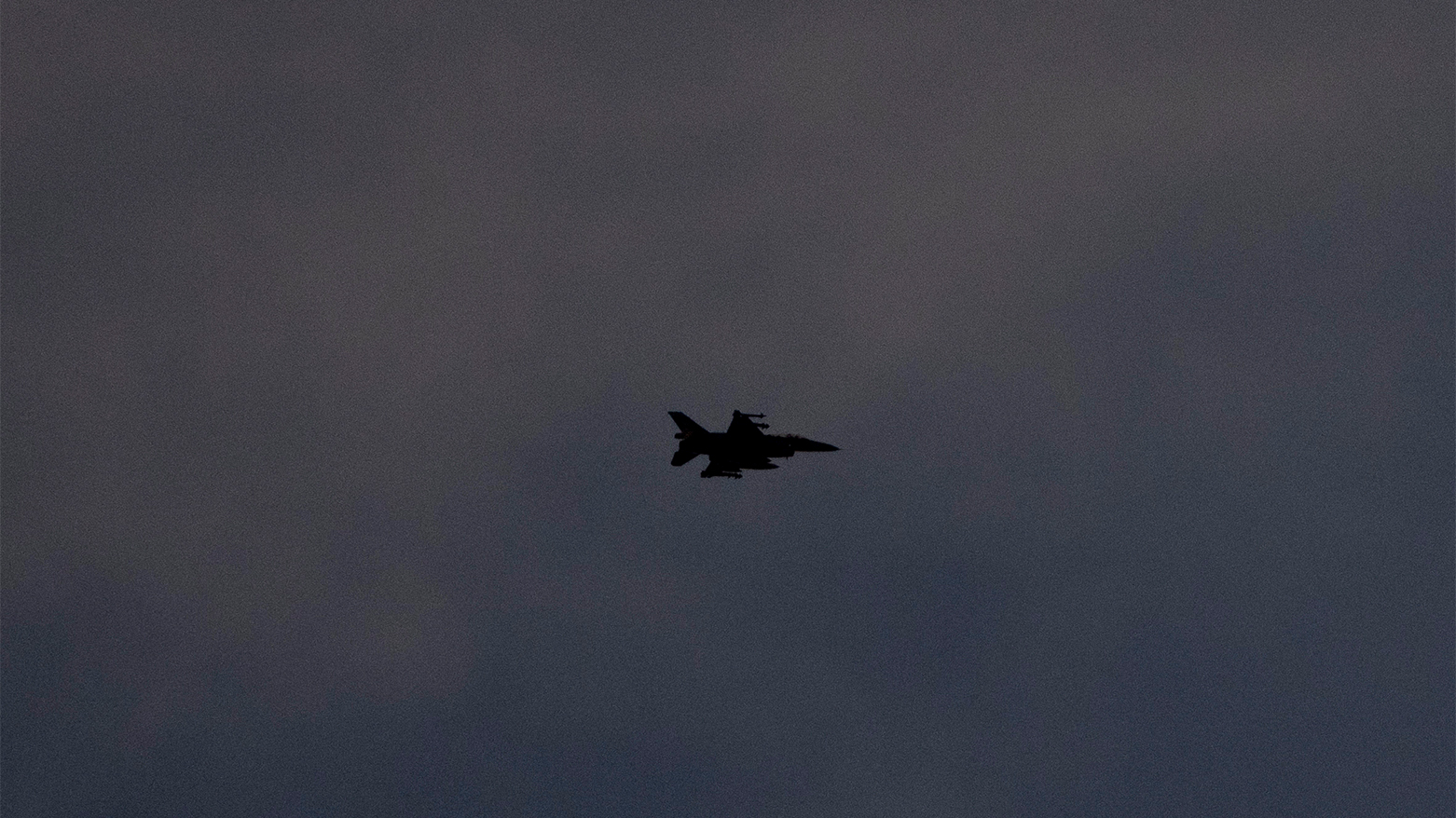
ERBIL (Kurdistan24) – In a significant escalation of hostilities that underscores the fragility of the regional security architecture, the Israel Defense Forces (IDF) announced on Tuesday that its Air Force has executed precision strikes against a series of Hezbollah military targets in southern Lebanon, including a specialized training compound used by the group's elite Radwan Force.
The operation, detailed in official military statements and reports from Yedioth Ahronoth, marks a direct confrontation with Hezbollah’s most capable units and signals Israel's intent to degrade the organization’s offensive capabilities despite the formal existence of a ceasefire agreement.
According to the IDF's announcement, the airstrikes targeted a sophisticated infrastructure network utilized by the Radwan Force, Hezbollah's special operations unit known for its advanced training and role in cross-border incursions.
The military confirmed that the compound was being used for conducting rigorous training and preparation of "terrorists," specifically for planning and executing terror plots against IDF forces and Israeli civilians.
"As part of the training, the terrorists underwent shooting drills and additional training for using various types of weapons," the IDF spokesperson stated, highlighting the active military nature of the site.
In addition to the training facility, the Israeli Air Force struck several other critical assets. The target list included military buildings, weapons training areas tailored for various weapon types, and a launch site used to advance attacks against Israeli troops.
The IDF framed these operations not merely as tactical strikes but as a necessary response to a breach of international agreements.
"The targets that were attacked and the military training activities constitute a violation of the understandings between Israel and Lebanon and a threat to the State of Israel," the military declared on the social media platform X on Tuesday, December 9, 2025.
🎯STRUCK: Hezbollah terrorist infrastructure in several areas in southern Lebanon
— Israel Defense Forces (@IDF) December 9, 2025
As part of the strikes, the IDF struck:
• Radwan Force training compound
• Shooting ranges used for terrorist training
• Weapons training areas for various weapon types
• Military structures…
This latest round of airstrikes comes against a backdrop of intensifying friction and diplomatic gridlock.
Just two weeks prior, on November 23, 2025, Israel carried out a high-profile assassination of Hezbollah’s military chief, Haytham Ali Tabatabai, in a strike on Beirut’s southern suburbs.
That operation was described by Israeli officials as the most significant blow to the group’s leadership since the November 2024 ceasefire.
The elimination of Tabatabai, who served as Hezbollah’s chief of general staff and was instrumental in rebuilding its military capabilities, signaled a shift in Israel's enforcement strategy, moving from containment to decapitation of the command structure.
The diplomatic context surrounding these military actions is fraught with tension. Iran has repeatedly asserted that the issue of Hezbollah's weaponry is an internal Lebanese matter, rejecting external pressure for disarmament.
Speaking at a weekly press conference on Sunday, Iranian Foreign Ministry spokesperson Esmail Baghaei emphasized that Hezbollah is "an important and influential part of Lebanese society" and makes its decisions independently.
This stance directly contradicts the demands of the United States and Israel, who have called for the dismantling of the militia’s arsenal as a prerequisite for long-term stability.
Conversely, Lebanese Foreign Minister Youssef Rajji offered a starkly different assessment in an interview with Al Arabiya.
Rajji frankly stated that "Hezbollah won’t hand over its weapons without an Iranian decision," acknowledging the geopolitical reality that the group's strategic posture is deeply entwined with Tehran's regional agenda.
He warned that Hezbollah is actively "rebuilding itself in many ways," including financially, and is focused on regaining power rather than disarming.
The situation is further complicated by the looming expiration of a U.S.-proposed disarmament deadline at the end of this month.
Reports from Yedioth Ahronoth indicate that Israeli officials have warned Beirut of increased military action if the group does not comply with the disarmament timeline set by former U.S. President Donald Trump, which expires on December 31.
The proposal, initially presented by U.S. Special Envoy Tom Barrack in June, suggested a four-month window for Hezbollah to hand over weapons in exchange for an Israeli withdrawal.
Hezbollah’s leadership has remained defiant in the face of these pressures.
In a televised address on Friday, Hezbollah chief Naim Qassem rejected the inclusion of civilian representatives in ceasefire talks as a "free concession" to Israel and warned that endorsing Israeli stances would lead to the "puncturing of the ship and the drowning of everyone."
He reiterated that Hezbollah would not agree to disarmament, accusing Israel of using the negotiations to pave the way for "gradual occupation."
As the IDF continues to strike Radwan Force assets and Hezbollah digs in its heels, the prospect of a durable peace appears increasingly remote. With over 1,200 raids conducted in southern Lebanon since November 2024 to destroy weapons caches and rocket platforms, Israel is systematically eroding Hezbollah’s infrastructure.
However, the group’s refusal to disarm, backed by Iranian support, ensures that the cycle of violence remains unbroken, leaving the region poised on the edge of a broader conflict as the December 31 deadline approaches.