Turkish Daily Reveals AK Party Conditions for Advancing Disarmament Law
A Turkish newspaper report reveals the AK Party's conditions for a peace process law: Türkiye's National Intelligence Organization must confirm the PKK has fully disarmed and the SDF integrated into Syria's army, while Türkiye maintains a military presence in Afrin
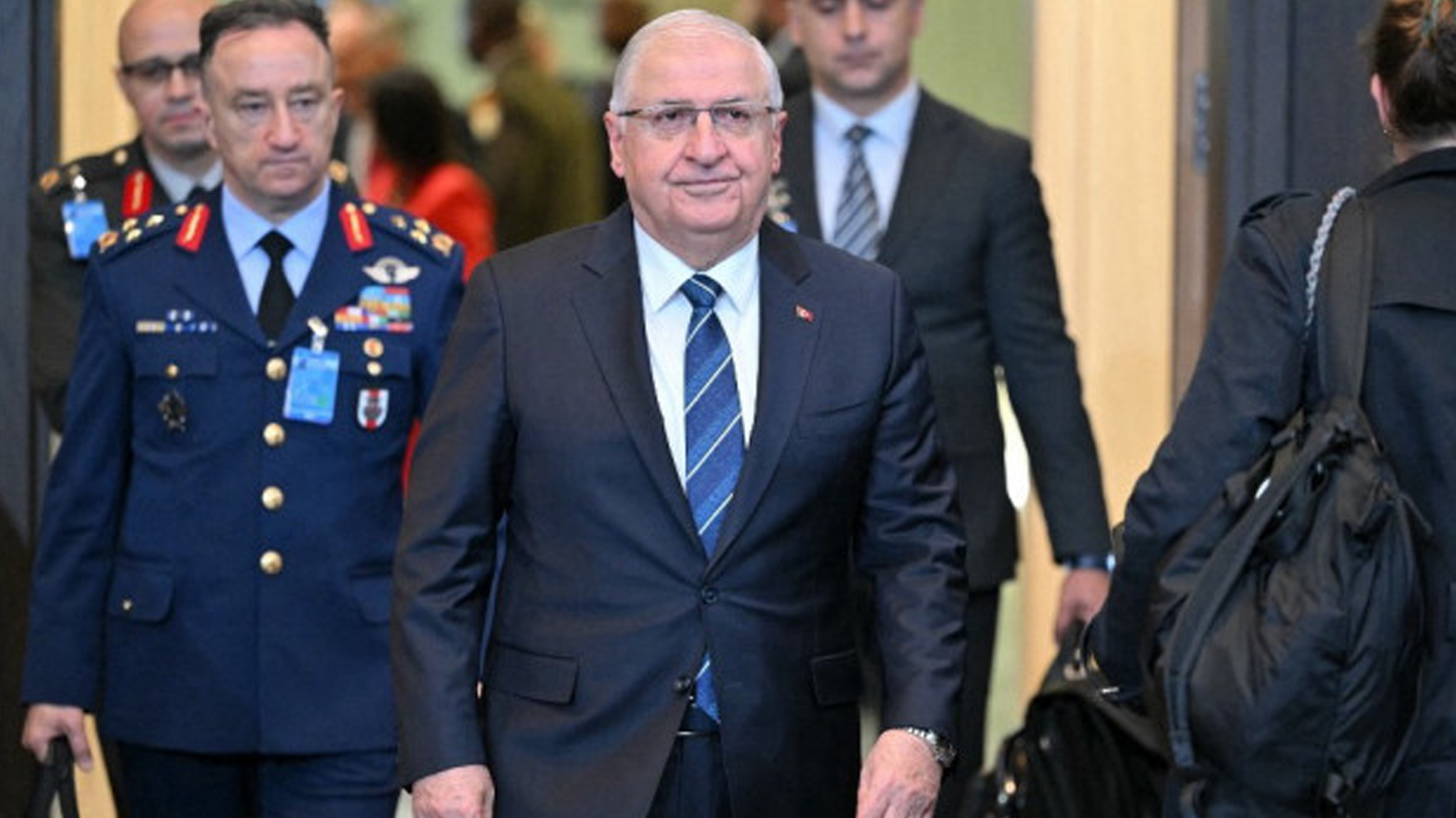
Erbil (Kurdistan24) - Türkiye’s Hürriyet newspaper has disclosed details from a report presented by Justice and Development Party (AK Party) representatives to a parliamentary commission, outlining strict conditions set by the ruling party for advancing a law related to the ongoing peace process and disarmament.
According to the report, the AK Party has made clear that no legislation will be introduced unless Turkish security forces and the National Intelligence Organization (MIT) formally verify that the Kurdistan Workers’ Party (PKK) and all affiliated structures have fully dissolved and laid down their arms. Until such confirmation is issued, the party insists that no legal step related to the process will be taken.
The report further specifies that the dissolution and disarmament of the PKK must be officially confirmed by MIT. Only after such verification, it notes, could the legislative process move forward.
Within the framework of the AK Party’s conditions, the report also addresses the status of the Syrian Democratic Forces (SDF), stating that the group must integrate into the Syrian army in accordance with the March 10 agreement. It adds that once the PKK’s presence in the Qandil region comes to an end, no opportunity should be allowed for the organization to re-emerge in northern Syria.
On the legal scope of the anticipated legislation, the report clarifies that the proposed law would apply solely to individuals convicted on the basis of organizational membership. Those facing additional charges would continue to be tried and sentenced under existing laws.
At the same time, individuals imprisoned solely on charges of membership would be released, and trustees appointed on this basis would be removed, with administrative conditions returning to what the report describes as a normal status.
Security context in Afrin and northern Syria
The disclosures come amid continued debate over Türkiye’s military presence in northern Syria (Western Kurdistan). During parliamentary discussions on the Turkish Ministry of Defense’s 2026 budget, Defense Minister Yaşar Güler addressed questions regarding Afrin, stating that Turkish forces are engaged in demining operations and sealing tunnels. He said these measures are intended to create conditions for the safe return of civilians.
However, according to a local source who spoke to Kurdistan24 on condition of anonymity, Turkish army units remain deployed at several points and military bases inside Afrin, with a number of villages fully controlled and their original residents still prevented from returning. The source added that military leaders and armed groups affiliated with the Turkish-backed Syrian National Army, later incorporated into the new Syrian army formations, continue to operate in the area.
The Ministry of National Defense (MND) has also reiterated its position regarding the SDF under the March 10 Agreement, stressing that the group must integrate into the Syrian army on an individual basis rather than as a unified force. The ministry said this stance had already been articulated by Minister Güler during parliamentary budget sessions.
Despite the agreement, the ministry stated that the SDF continues its activities instead of integrating, arguing that this undermines efforts to establish security and stability in Syria. It added that the actions and rhetoric of certain countries have encouraged the SDF not to disarm or integrate, concluding that what it described as attempts to buy time are futile and that “there is no alternative to integration.”
The report published by Hürriyet underscores how Türkiye’s internal legislative debate on disarmament and peace remains closely tied to broader regional security dynamics, particularly developments involving the PKK, the SDF, and Ankara’s military role in northern Syria.