Russia Warns Over NATO Buildup in Greenland
Moscow voices “serious concern” over NATO’s military presence, accusing the alliance of inflating threats from Russia and China.
ERBIL (Kurdistan24) — Russia on Wednesday voiced serious concern over the growing NATO military presence in Greenland, a strategically important, mineral-rich Arctic island, amid escalating tensions sparked by US President Donald Trump’s repeated suggestions that the United States should seize the territory.
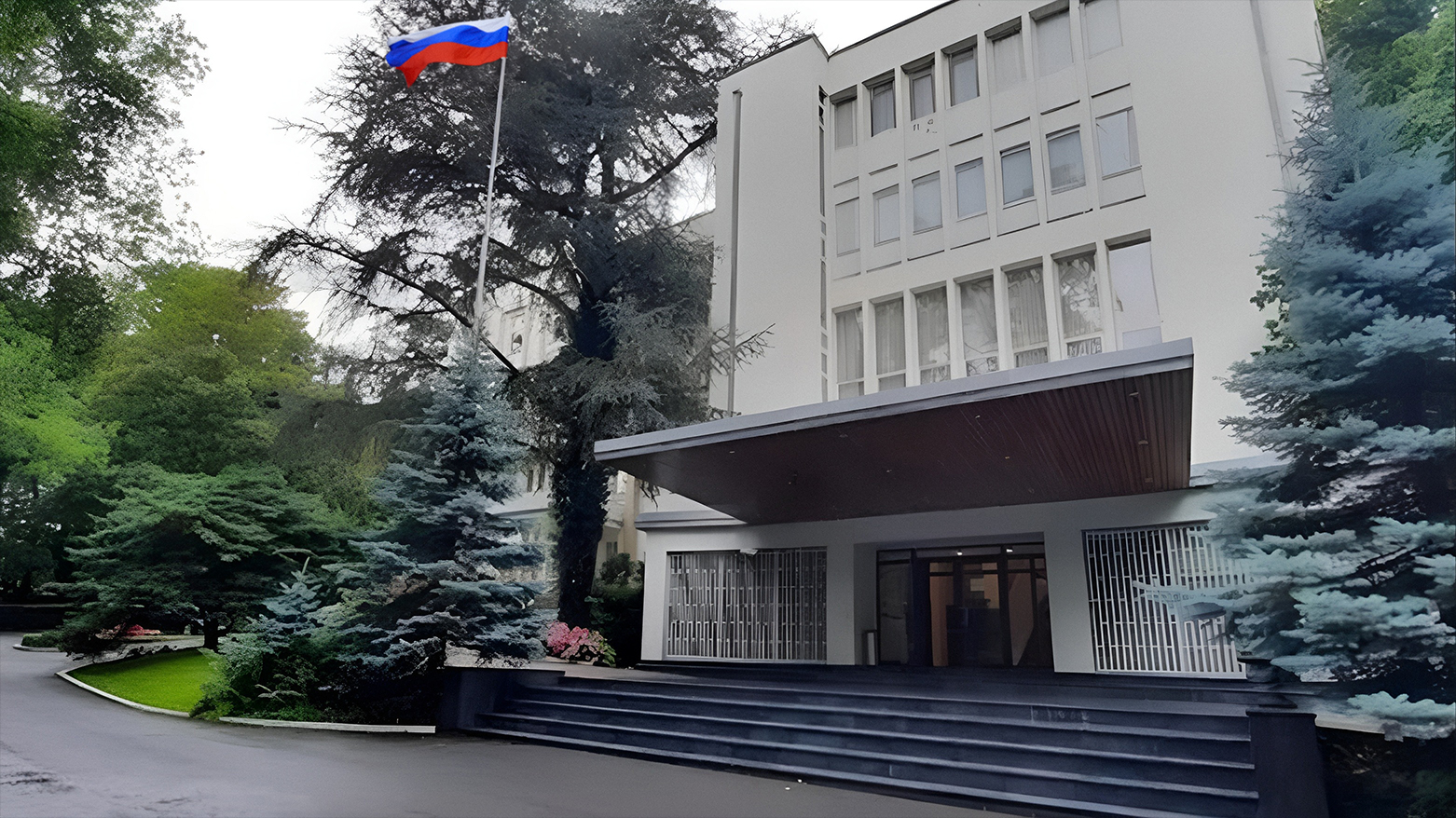
In a statement from its embassy in Belgium, where NATO is headquartered, Moscow said, “The situation unfolding in the high latitudes is of serious concern to us.” The embassy accused the alliance of “building up its military presence there under the false pretext of a growing threat from Moscow and Beijing.”
The warning comes as Germany, France, and other European nations move to strengthen Greenland’s security in response to Trump’s rhetoric, which has strained transatlantic relations.
Berlin announced that a 13-member Bundeswehr reconnaissance team would be deployed to Greenland starting Thursday to “explore the framework conditions for possible military contributions to support Denmark in ensuring security in the region,” according to the German Defense Ministry. France has also confirmed participation in a European military mission to the island.
Denmark, which governs Greenland as an autonomous territory, has been actively coordinating with NATO and European allies to counter the US proposals. Danish Foreign Minister Lars Løkke Rasmussen, following talks at the White House, emphasized the need for “respectful” cooperation, stating that “it is absolutely not necessary for the United States to seize Greenland.”
Rasmussen warned that Trump’s ambition to “conquer Greenland” contradicts Danish interests, even though efforts to alter the US position were unsuccessful.
Despite the diplomatic tensions, Denmark’s Defense Minister Troels Lund Poulsen sought to downplay the prospect of a direct confrontation, describing a US military move on Greenland as “very hypothetical” and asserting that an attack by one NATO member against another was “highly unlikely.”
Nonetheless, Copenhagen confirmed it was reinforcing its Arctic military presence with additional aircraft, vessels, and troops, including contributions from several NATO allies. Sweden, responding to Denmark’s request, will also deploy officers to Greenland, while other European countries are expected to send personnel “either as early as this evening or in the coming days,” Poulsen said.
In parallel, Danish officials, together with Greenland’s Foreign Minister Vivian Motzfeldt, held talks in Washington with US Vice President JD Vance and Secretary of State Marco Rubio in an effort to de-escalate tensions. European capitals are seeking to contain the dispute, which has unsettled NATO cohesion and raised questions about Arctic security and sovereignty.
Trump has repeatedly defended the idea of acquiring Greenland on strategic grounds, citing alleged threats from Russia and China, but European allies remain united behind Denmark to maintain the island’s current status and deter any challenge to its sovereignty.
The situation highlights Greenland’s growing geopolitical significance, given its vast natural resources, strategic location in the Arctic, and proximity to North American and European defense interests. Diplomats warn that the standoff could reshape Arctic security dynamics and test the unity of NATO as member states navigate competing security priorities.