DAANES Official Denies Hasakah Massacre Reports as Ceasefire Takes Hold
DAANES official Elham Ahmad denied reports of massacres in Hasakah, blaming "rumors" on extremist groups trying to derail the new ceasefire. The 14-point SDF-Damascus deal includes force integration and Kurdish rights recognition.
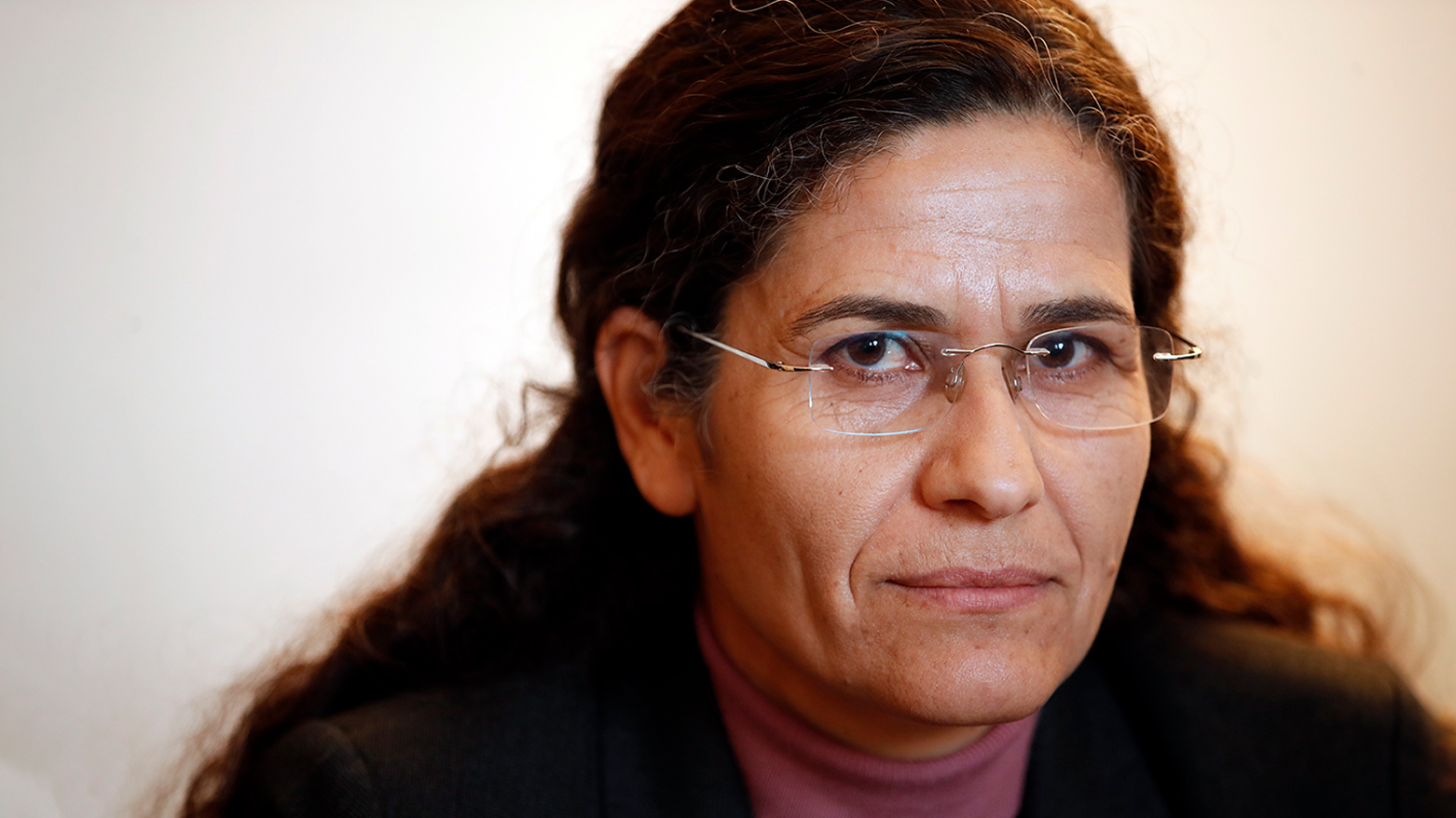
ERBIL (Kurdistan24) - Elham Ahmad, the Head of Foreign Relations for the Autonomous Administration of North and East Syria (DAANES), issued a strenuous denial on Sunday regarding reports of massacres in the city of Hasakah, urging citizens to remain vigilant against disinformation campaigns designed to derail the implementation of a newly signed ceasefire agreement.
Writing on the social media platform X, Ahmad characterized allegations of mass killings as "completely fabricated" and "far from the truth," positioning her statement as a direct countermeasure to rising tensions in the region.
Ahmad attributed the dissemination of these rumors to "extremist groups of the Syrian Arab Army forces." She asserted that the objective of such misinformation is to sow tribal discord and disrupt the cessation of hostilities currently taking effect, thereby paving the way for renewed attacks on Hasakah and Kobani.
Despite these alleged provocations, Ahmad emphasized that the Autonomous Administration remains fully committed to the ceasefire and is actively working toward the complete unification of forces in Hasakah, a key provision of the integration deal reached with the central government.
نهيب بالمواطنين توخي أعلى درجات الحذر. كل الأخبار عن “مجازر في الحسكة” مفبركة تماماً، وتستهدف من قبل مصادر مرتبطة بجهات مخربة لعدم الالتزام بوقف النار، وتأجيج التوترات القبلية واستئناف الهجمات على #الحسكة وكوباني.
— Elham Ahmad (@ElhamAhmadSDC) January 18, 2026
نحن ملتزمون باتفاق وقف النار والاندماج الكامل، والأوضاع في الحسكة.
The appeal for vigilance comes at a critical juncture, as the Syrian Ministry of Defense officially announced on Sunday, the commencement of a comprehensive ceasefire across all fronts.
The ministry’s directive, which orders the protection of civilian lives and property, marks the implementation phase of a landmark agreement concluded between Syrian President Ahmed al-Sharaa and Mazloum Abdi, the General Commander of the Syrian Democratic Forces (SDF).
The Ministry of Defense stated that the cessation of combat operations is intended to facilitate the opening of safe corridors for displaced residents and to prepare for the return of state institutions to their service duties.
The framework for this de-escalation is rooted in a detailed 14-point agreement signed by Damascus and the SDF.
The pact outlines a sweeping restructuring of the security and administrative architecture in northern and eastern Syria. Under the terms of the deal, the SDF has agreed to an immediate withdrawal of its military formations to the east of the Euphrates River as a preliminary step for redeployment.
Furthermore, the agreement mandates the full administrative and military handover of the Deir ez-Zor and Raqqa governorates to the Syrian government, including the transfer of civil institutions and the regularization of their employees within state ministries.
A central component of the agreement involves the integration of SDF personnel into the national military structure. The accord stipulates that all SDF military and security personnel will be integrated into the Syrian Ministries of Defense and Interior on an "individual" basis following security vetting. This integration includes the granting of military ranks and financial entitlements.
In Hasakah, where Ahmad is currently addressing security concerns, all civilian institutions are set to be integrated into the Syrian state’s administrative structures, and a presidential decree will appoint a nominee from the SDF leadership’s list as the new Governor of Hasakah to ensure local representation.
The agreement also addresses the economic and political dimensions of the conflict.
The Syrian government is set to assume control over all border crossings, as well as the strategic oil and gas fields in the region, with protection provided by regular forces. Politically, the deal welcomes Presidential Decree No. 13 of 2026, which recognizes Kurdish cultural and linguistic rights and addresses the status of stateless persons.
Additionally, the SDF has committed to the removal of all non-Syrian Kurdistan Workers’ Party (PKK) leaders and members from Syrian territory to ensure sovereignty and regional stability.
Diplomatic engagement surrounding the agreement has been intense.
Syrian President Ahmed al-Sharaa publicly expressed gratitude to several international figures for facilitating the deal, specifically highlighting the role of President Masoud Barzani.
Speaking at a news conference, President al-Sharaa described President Barzani as "one of the key figures who played a significant role" in moving the country toward unity.
This sentiment was reinforced during a telephone conversation between the two leaders, where they discussed the details of the agreement and emphasized that Kurdish rights in Syria would be respected and protected under the new framework.
The United States has also formally endorsed the integration plan. Tom Barrack, the U.S. Special Envoy for Syria, commended both the Syrian government and the SDF for their constructive efforts.
In a statement, Barrack noted that the agreement advances U.S. interests by ensuring the seamless integration of the SDF—a historic partner in the fight against ISIS—with the Syrian state, which remains a member of the Global Coalition. He characterized the deal as a bridge toward a unified Syria and a safeguard for national security interests.
SDF Commander Mazloum Abdi, in a televised address prior to the finalization of the deal, framed the SDF’s compliance as a necessary measure to protect civilians and preserve regional gains.
He stated that his forces were drawn into the conflict against their will following attacks on January 6 and that repeated efforts to prevent escalation had failed.
General Abdi explained that the decision to redeploy forces from Deir ez-Zor and Raqqa to Hasakah was strategic, aimed at preventing broader civil unrest. He emphasized that the SDF remains committed to defending the region’s social fabric through political means.
While the implementation of the agreement has officially begun, logistical challenges remain.
A scheduled meeting between President al-Sharaa and General Abdi in Damascus was postponed from Sunday to Monday due to adverse weather conditions.
However, the Syrian Ministry of Defense’s order for a total ceasefire and the political commitments from both sides suggest that the integration process is proceeding, despite the "rumors" and tensions cited by Ahmad in Hasakah.