Turkish FM Hakan Fidan, U.S. Envoy Tom Barrack Discuss Situation in Syria
Turkish FM Fidan and US Envoy Barrack met in Ankara to discuss Syria as Damascus-SDF talks collapsed entirely. Turkey warned against border provocations, while the UN reported thousands displaced amid fierce fighting and a broken ceasefire.
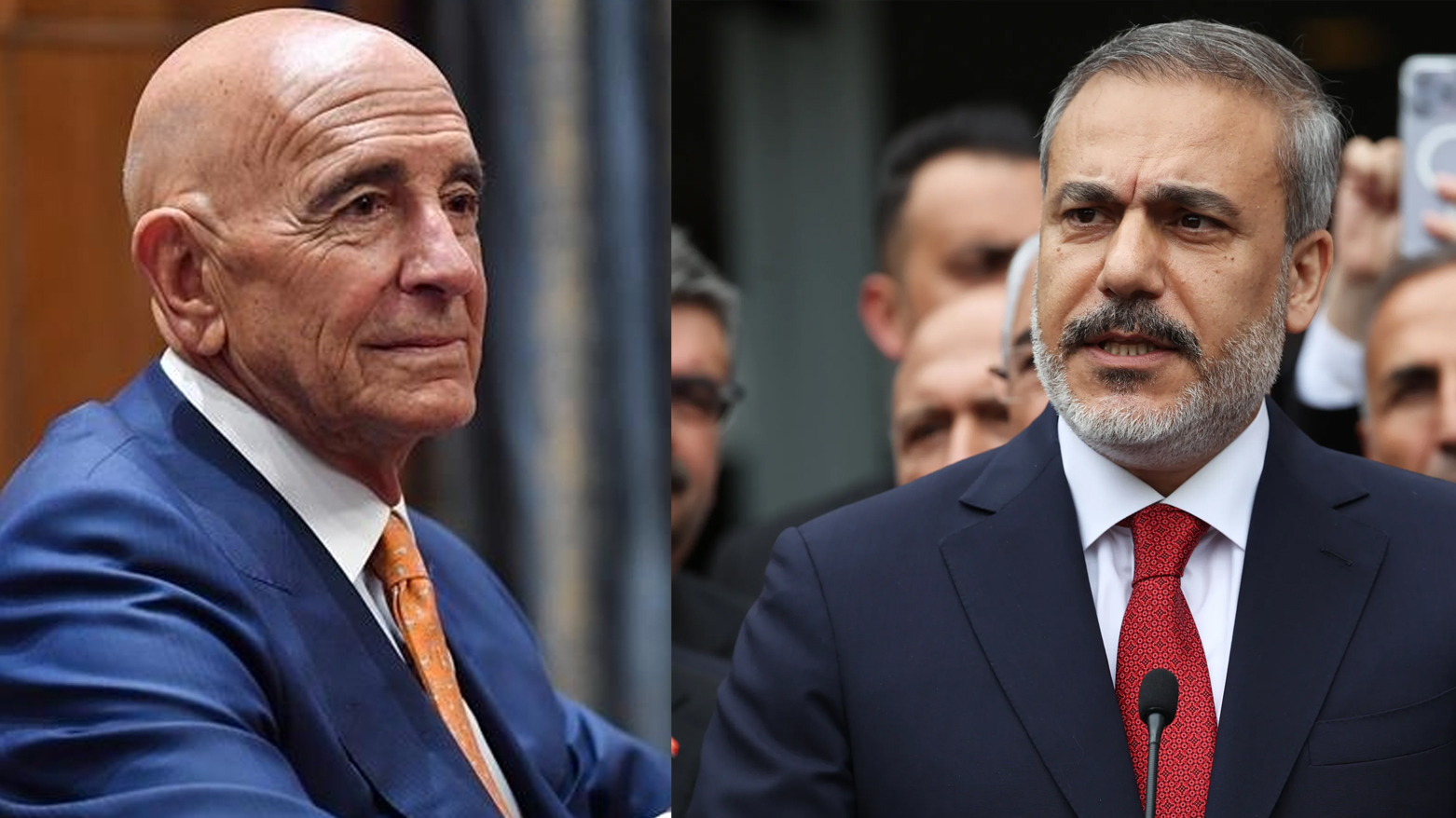
ERBIL (Kurdistan24) - Turkish Foreign Minister Hakan Fidan met with Tom Barrack, the U.S. President’s Special Envoy for Syrian Affairs, in Ankara on Tuesday to address the rapidly deteriorating security situation in Syria, following reports that high-stakes negotiations between the Syrian government and Kurdish-led forces have broken down completely.
The diplomatic consultation comes amid escalating violence in northeast Syria and strict warnings from Turkish authorities regarding border security.
The meeting between Fidan and Barrack on Tuesday, January 20, 2026, focused on the implications of the conflict for regional stability. While specific details of their discussion remain undisclosed, the timing coincides with a significant rupture in the political process intended to stabilize Syria.
A Kurdish official told Agence France-Presse (AFP) on Tuesday that negotiations held in Damascus between Syrian President Ahmed al-Sharaa and Mazloum Abdi, the General Commander of the Syrian Democratic Forces (SDF), have "collapsed entirely."
The official attributed the breakdown to the central government and called for urgent international intervention, stating that a "firm and decisive stance" is required to prevent further catastrophe.
Simultaneously, the Turkish government issued a strong warning regarding the potential spillover of the conflict. Turkish Minister of Interior Ali Yerlikaya, writing on the social media platform X, emphasized that Ankara will not tolerate "provocation and incitement" related to the tensions in Syria.
"Türkiye is carefully and closely monitoring developments within Syrian territory and all movements on our borders," Yerlikaya stated.
He further warned that Turkish security forces are fully prepared to counter any initiatives targeting the "tranquility and national security" of the country. These statements reflect deep concern within Turkish security institutions as the region enters a highly sensitive phase.
Humanitarian Crisis and Ceasefire Violations
The diplomatic deadlock exacerbates an already dire humanitarian situation. The United Nations High Commissioner for Refugees (UNHCR) announced on Tuesday that thousands of civilians have been displaced across Northeast Syria due to intensifying military clashes.
Despite the existence of a ceasefire agreement, fighting persists on multiple fronts. The UNHCR confirmed it is continuing relief operations but faces significant challenges ensuring aid reaches those in need amidst the violence.
The SDF reported "fierce fighting" in the vicinity of Taqtan prison in Raqqa, a critical facility where security forces are battling to maintain control. Clashes have also been confirmed in Shaddadi and Ain Issa, indicating a widespread failure of the truce.
This resurgence of violence follows a period of relative calm that was supposed to facilitate the integration of forces, a process now in jeopardy following the collapse of talks in Damascus.
Kurdish officials have issued urgent appeals for mobilization.
Fawza Yusuf, a member of the PYD Presidential Body, called for cross-border support from Northern Kurdistan and the Kurdistan Region of Iraq, framing the conflict as an existential threat to the Kurdish people.
"Rojava is under severe attack and Kurds are being massacred," Yusuf wrote on social media, urging youth to head to the border to aid their counterparts.
Similarly, Farhad Shami, Director of the SDF Media Center, stated that the Kurdish forces face a choice between "a dignified life" or "proud martyrdom," signaling a resolve to fight despite the overwhelming pressure.
Regional Security Measures Tighten
The instability has prompted neighboring Iraq to reinforce its defensive posture.
Iraqi Minister of Defense Thabet Abbasi declared on Tuesday that Iraq’s border with Syria remains secure and under full control. This assurance was accompanied by a high-profile visit to the frontier by Lieutenant General Abdul Amir Rashid Yarallah, Chief of Staff of the Iraqi Army, to inspect readiness.
Minister Abbasi emphasized that Iraqi forces possess "high capabilities and proper plans" to confront any security challenge, including potential infiltration by Islamic State (ISIS) remnants.
The threat of an ISIS resurgence is tangible.
On Tuesday, the Syrian Arab Army launched an intense artillery and tank bombardment targeting Aqtan Prison in Raqqa, a facility housing detained ISIS members.
The Syrian Observatory for Human Rights (SOHR) reported shelling on both the prison and the nearby SDF Division 17 headquarters, with drones observed circling the area.
Security analysts warn this could precipitate a mass breakout of high-risk detainees.
In response to potential infiltration, Iraqi Interior Minister Abdul Amir al-Shammari issued a "shoot on sight" order for anyone attempting to breach the border illegally, detailing robust measures including a 620-kilometer trench and continuous surveillance.
The breakdown of security was further underscored by the Syrian Ministry of Interior's announcement that security forces had recaptured 81 ISIS gunmen who escaped from Shaddadi prison in Hasakah following heavy attacks.
Approximately 120 inmates had originally fled, highlighting the fragility of the detention network as the SDF loses ground.
Widespread Protests and Diplomatic Standoff
The military escalation has triggered mass protests globally. Demonstrators gathered in Erbil, Zakho, and Duhok, as well as in Germany, demanding international intervention to halt the Syrian government's offensive.
In Erbil, protesters outside the U.S. Consulate General expressed dissatisfaction with Washington’s perceived silence, urging action to prevent a massacre.
Tensions are further inflamed by religious rhetoric from Damascus.
The Syrian Ministry of Endowments issued a directive instructing mosques to pray for a "conquest" by the Syrian Arab Army over the SDF, framing the conflict in sectarian terms.
Meanwhile, Syrian officials like Hamza Mustafa have declared that the government will not allow the creation of any autonomous "Jazira Region," asserting sovereign control over all territory.
As diplomatic channels falter and military operations intensify, the region faces the prospect of prolonged conflict with significant humanitarian and security consequences for Syria and its neighbors.
This article was updated on Tuesday, Jan. 20, 2026, at 12:06pm.