European Ministers: Neglecting Kurdish Rights in Syria Risks Undermining the Fight Against ISIS
European foreign ministers warn of deteriorating conditions in Western Kurdistan, urging minority protection, respect for northeastern Syria agreements, and continued vigilance against ISIS.
ERBIL (Kurdistan24) - As conflict, displacement, and humanitarian hardship deepen across Western Kurdistan, European foreign ministers are issuing coordinated warnings, calling for minority protection, the upholding of northeastern Syria agreements, and continued vigilance against ISIS.
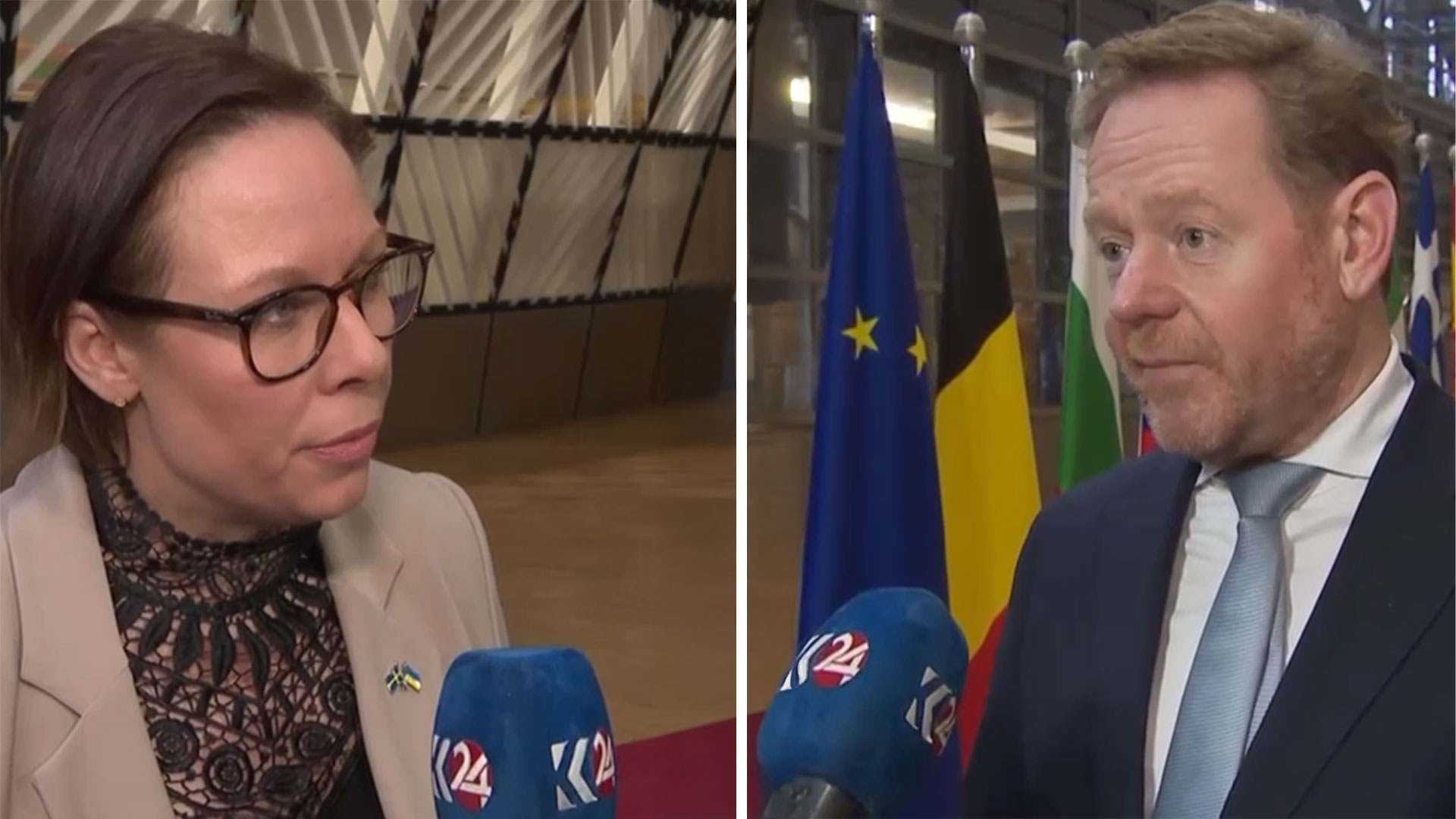
In an interview with Kurdistan24’s correspondent in Europe, Barzan Hassan, Swedish Minister for Foreign Affairs Maria Malmer Stenergard warned that recent developments in Syria are raising serious concern among European governments.
“We are very worried about the recent development and we urge the transitional government to respect all minorities and to proceed towards a new state in respect of the rights of all groups and also with an inclusive approach,” Stenergard said. “And the recent agreements that have been made in Syria regarding the northeastern part must be upheld.”
In another interview, Dutch Minister for Foreign Affairs David van Weel emphasized to Kurdistan24’s correspondent Barzan Hassan, the role Kurdish fighters have played in combating ISIS since 2014.
“So first of all, we owe enormous gratitude to the Kurdish fighters that help fight Daesh back from 2014, all those years. I mean, our gratitude for that is very great,” van Weel said.
He added that about a month earlier, President Ahmed al-Shara had joined the ISIS coalition and promised cooperation against the group.
“We are happy that about a month ago President al-Shara joined the ISIS coalition and at least promised that he would cooperate in fighting Daesh also in Syria as it is now. And we will hold him to that promise,” he said.
Van Weel also warned of the risk of an ISIS resurgence.
“Of course, we always need to be vigilant about a resurgence of ISIS. I mean, we did not kill the idea, we captured and killed a lot of fighters, but Daesh can revive at any moment. And of course, we will also need the Kurdish troops to participate and help when that happens.”
On Thursday, European foreign ministers convened in Brussels, with Western Kurdistan high on the agenda, according to the meeting’s official program. The discussions focused on international issues, particularly the Middle East and northeast Syria.
Ahead of the meeting, Italian Foreign Minister Antonio Tajani and Finnish Foreign Minister Elina Valtonen spoke to Barzan Hassan, addressing security challenges, humanitarian concerns, and the situation of Kurdish communities in Syria.
Tajani said ISIS remains a major threat to Iraq and Syria, explaining that this risk is why Italy continues to maintain a military presence in the Kurdistan Region. He said Italy has many soldiers deployed in Kurdistan, where they are involved in training Peshmerga forces.
“ISIS is a major threat to Iraq and Syria,” Tajani said.
Valtonen stressed Finland’s support for the rights of all communities in Syria, saying her government supports the rights of Kurdish, Alawite, and separatist communities and underscored the importance of inclusivity amid Syria’s ongoing conflict.
Concerns over escalating violence in Western Kurdistan have also been raised in other European capitals.
During a separate session of the UK Parliament, British MP Feryal Clark warned that violence is again intensifying in northeast Syria, with a growing humanitarian crisis and the city of Kobani facing renewed siege conditions. She said Kurdish communities who played a key role in defeating ISIS now feel abandoned by their Western allies.
Clark asked whether the British government would commit to working with international partners to hold the Syrian government to the March 2025 agreement. She called for protection of Kurdish civilians, a meaningful and immediate ceasefire, the opening of humanitarian corridors into Kobani, and constitutional recognition for the Kurdish region.
Responding, British Foreign Secretary David Lammy said recent developments in Syria were “deeply concerning.” He described the current phase as a critical moment for Syria’s future and said the UK is using all available diplomatic channels to urge all parties to halt the violence, protect civilians, and ensure humanitarian access.
Lammy said the importance of protecting Kurdish rights had been raised directly with Syria’s Foreign Minister earlier in the week. He added that the UK continues to advocate for an inclusive political transition and remains committed to standing with the Syrian people as they seek a more stable, free, and prosperous future.
As European capitals amplify their warnings and diplomatic pressure intensifies, Western Kurdistan remains a focal point where ceasefire commitments, minority rights, and the future fight against ISIS are being tested.