Iran Digging for Buried Missile Launchers
Satellite imagery shows Iran reopening underground missile bases during the ceasefire, raising concerns in Washington that Tehran may rebuild capabilities despite claims its program has been largely destroyed
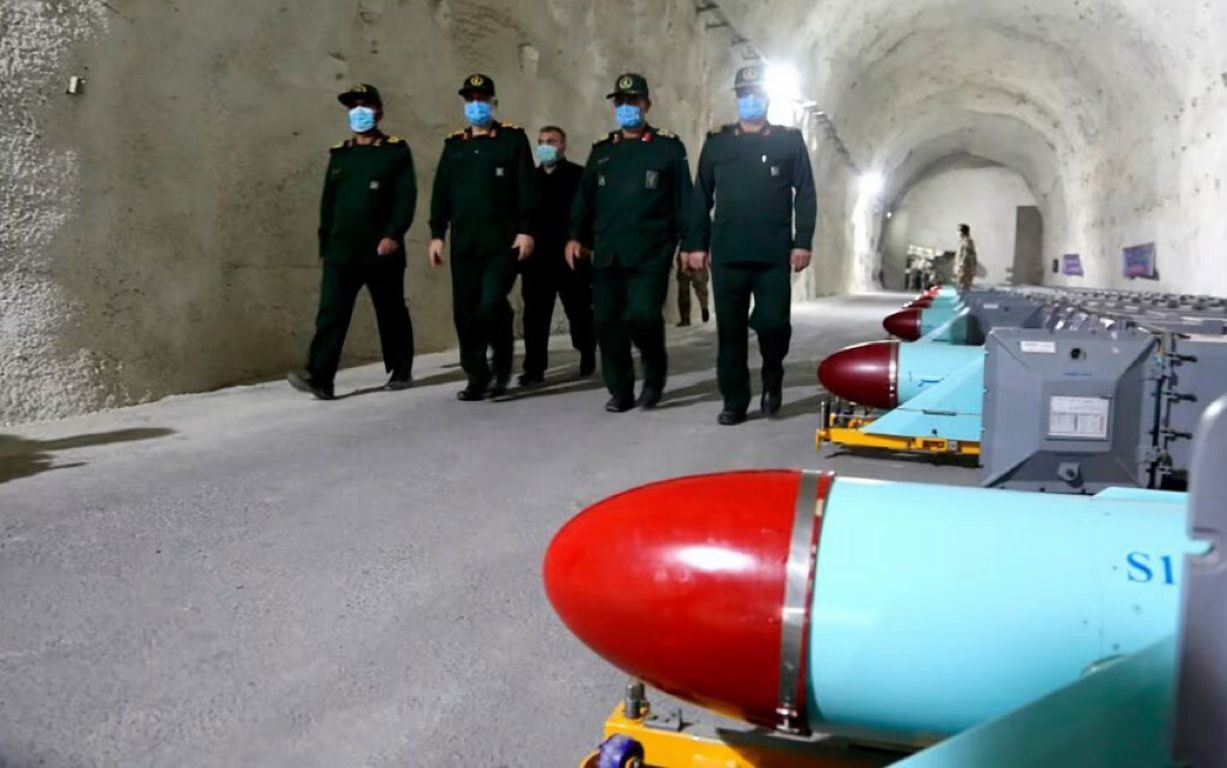
ERBIL (Kurdistan 24) - Satellite imagery suggests Tehran is restoring launch capabilities as US claims program is “decimated”.
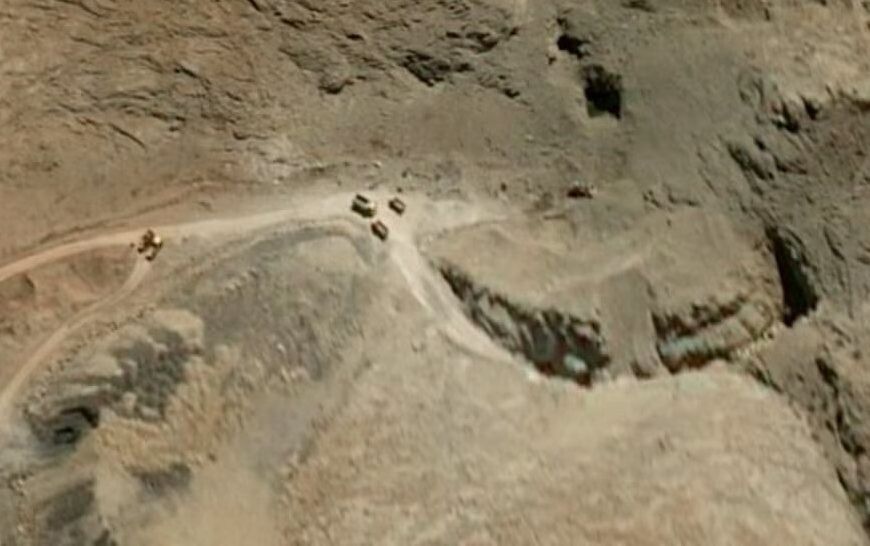
Iran appears to be clearing and reopening parts of its underground missile infrastructure during the ongoing ceasefire with the United States and Israel, according to satellite imagery analysis.
Images show heavy machinery removing debris from tunnel entrances that were previously sealed by US and Israeli airstrikes. The strikes had deliberately targeted access points to underground facilities to trap missile launchers inside and prevent their deployment.
One satellite image dated April 10 shows a front-end loader clearing rubble from a blocked tunnel entrance at a missile base near Khomeyn, with several trucks positioned nearby. A separate image from the same day shows similar activity at a site near Tabriz.
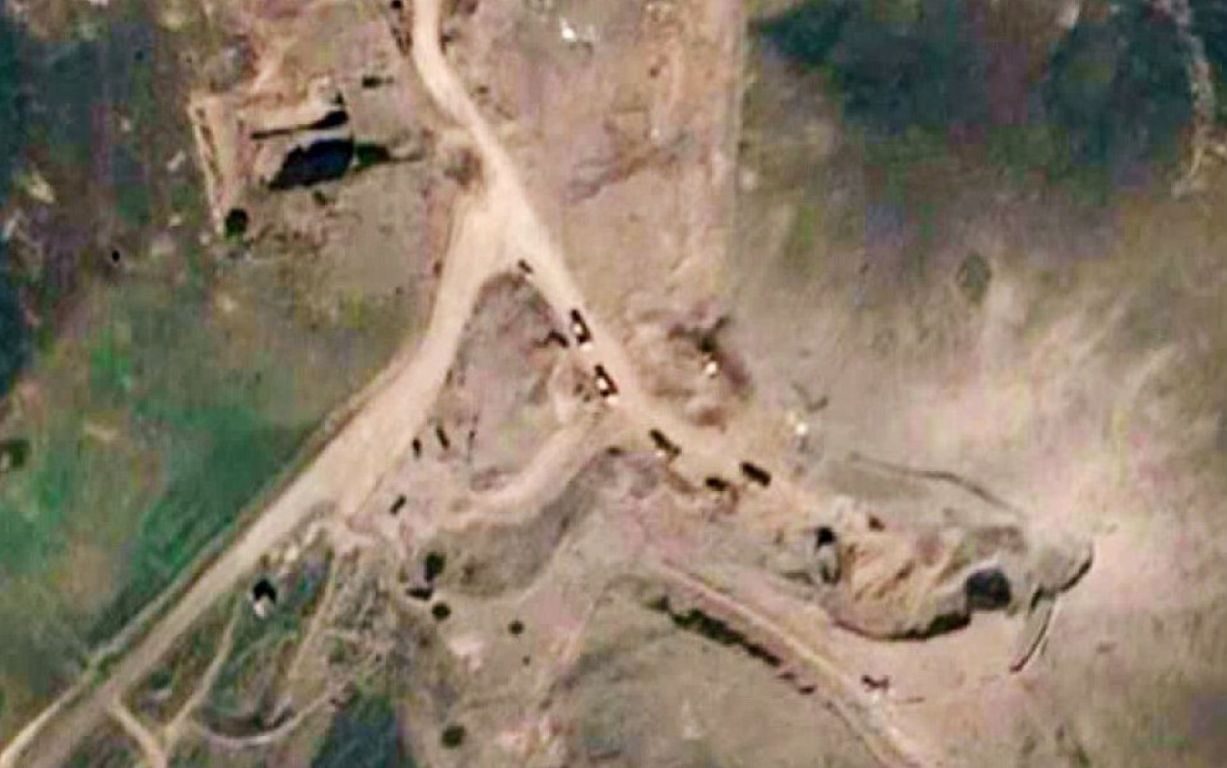
The earlier strikes were part of a broader strategy aimed at immobilizing Iran’s missile forces by sealing exit routes, preventing launchers from being deployed, fired, or reloaded.
Despite these efforts, US intelligence assessments indicate that roughly half of Iran’s missile launchers may still be intact.
Earlier this month, the Pentagon said it had struck approximately 11,000 targets across Iran during the first five weeks of the war. Meanwhile, the Israel Defense Forces reported that by March 7, around 75% of Iran’s missile launchers had been destroyed.
Chairman of the Joint Chiefs of Staff Gen. Dan Caine said the campaign had significantly degraded Iran’s defense industrial base. According to US figures, more than 13,000 munitions were used to hit missile and drone storage facilities, naval assets, and defense production sites.
US Defense Secretary Pete Hegseth described Iran’s missile program as “functionally destroyed,” stating that its launchers and missile stockpiles had been “depleted and decimated” to the point of near ineffectiveness.
However, some US officials have expressed concern that Iran could use the ceasefire period to rebuild parts of its missile arsenal. There are also warnings that Tehran may seek to acquire replacement systems from Russia to restore its regional capabilities.
Sam Lair of the James Martin Center for Nonproliferation Studies told CNN that such rebuilding is an expected consequence of any pause in hostilities.
“A ceasefire requires you to accept that your adversary is going to reconstitute some of their military capacity that you just spent a bunch of time and effort and money destroying.”
Lair added that Iran’s so-called “missile cities” were specifically designed for resilience—built to absorb initial strikes, recover quickly, and resume operations.
“The concept is simple: absorb the first attack, dig out, and launch again.”
Meanwhile, President Donald Trump signaled that the conflict may be nearing its end. In an interview preview with Fox News, he said the war with Iran was “close to over.”
Trump also indicated that negotiations between US and Iranian officials could resume soon, possibly in Pakistan within days.
“I think you’re going to be watching an amazing two days ahead,” he told ABC News, adding that he does not expect the current two-week ceasefire, set to expire on April 22, to be extended.
The developments underscore the fragile nature of the ceasefire, as military recovery efforts and diplomatic negotiations unfold simultaneously.