Hormuz Crisis Triggers Global Supply Chain Shock Affecting Food, Flights, and Industry
The Hormuz crisis disrupted global supply chains, affecting fuel, fertilisers, and industry, with potential impacts on food security, flights, and essential goods worldwide
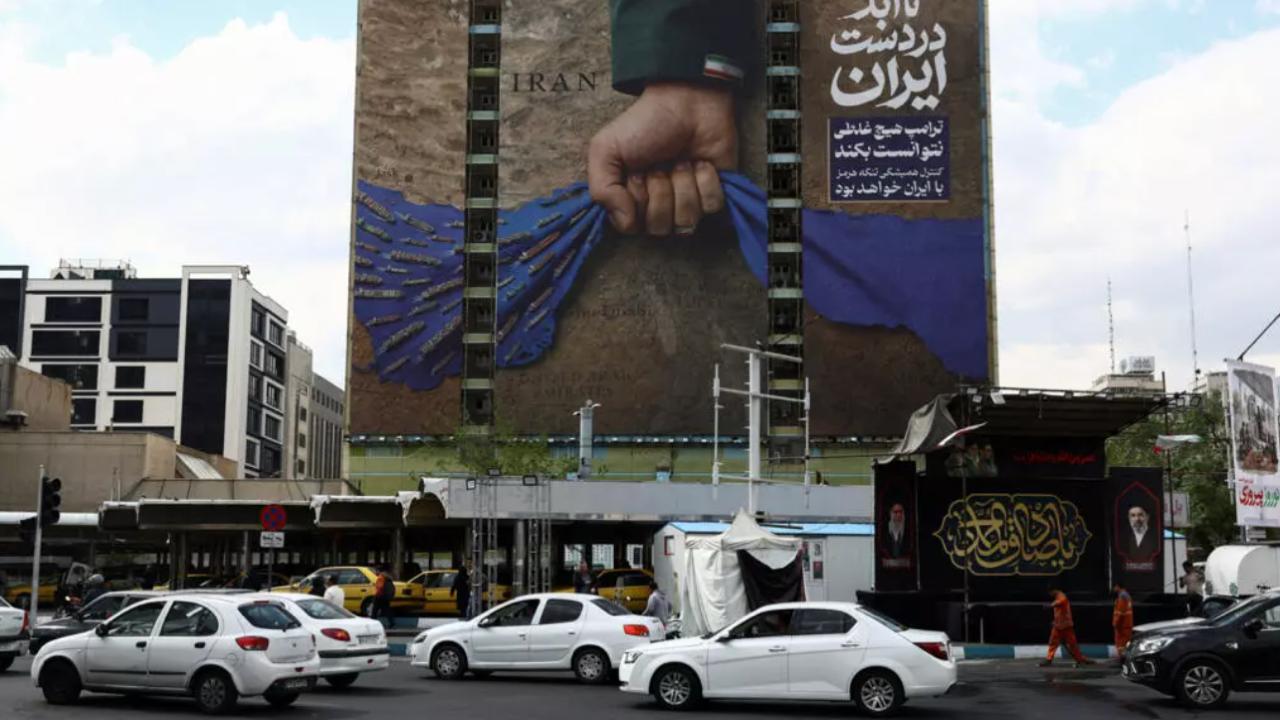
ERBIL (Kurdistan 24) - The closure of the Strait of Hormuz during the Middle East war has triggered far-reaching disruptions beyond oil markets, affecting global supplies of fuel, fertilisers, and industrial materials, with potential consequences for food security and transportation.
Despite a provisional reopening during a 10-day ceasefire, supply chains have already been impacted, raising concerns about shortages of essential goods across multiple sectors.
Iran announced Friday that it had reopened the Strait of Hormuz to all commercial vessels for the duration of the ceasefire between Israel and Iran-backed Hezbollah, signaling a possible easing of tensions that had driven energy prices higher.
However, the waterway—one of the world’s most critical oil shipping routes—had effectively been blocked since Feb. 28, when US and Israeli strikes targeted Iran. In response, Washington imposed its own blockade on Iranian ports, with President Donald Trump stating the measures would “remain in force.”
The disruption pushed oil prices above $100 per barrel and drove gas prices up by more than 12 percent, setting off a chain reaction across global markets.
One of the most immediate concerns is jet fuel availability. Asia faces the greatest risk of shortages, followed by Europe, where about 75 percent of supply depends on Middle Eastern sources. Experts warn that if tanker traffic does not fully resume, the situation could worsen rapidly.
“The situation can, within the next three, four weeks, become systemic,” Rystad Energy economist Claudio Galimberti told CNBC.
“So you can have severe cuts of flights in Europe, already starting in May and June,” he added.
While some flights have already been canceled due to rising fuel costs, European authorities say there is currently no confirmed shortage. “There is no evidence for fuel shortages in the European Union at present,” said European Commission spokesperson Anna-Kaisa Itkonen.
Industry groups, however, caution that shortages could begin within weeks if maritime flows are not restored. The International Energy Agency has also warned that disruptions could affect European supplies in early May.
The impact extends beyond aviation. The disruption of fertiliser shipments through the Strait of Hormuz is raising alarms about global food production.
World Bank Chief Economist Indermit Gill warned that existing food insecurity could worsen significantly. “You have about 300 million people who suffer from acute food insecurity already,” he said. “That'll go up by about 20 percent very, very quickly.”
The strait is a key route for fertiliser components, including nearly half of global urea supply, over 30 percent of ammonia, and 20 percent of diammonium phosphate. Supply disruptions could drive prices higher, reduce agricultural output, and prompt export restrictions that further strain global food markets.
“Those export bans scare us massively,” Gill said, warning that unresolved disruptions could lead to rising hunger in vulnerable regions.
The effects are expected to spread geographically. While Asia has felt the immediate impact, analysts warn that prolonged disruption will quickly affect Africa. Latin America is also at risk, with Brazil sourcing 20 percent of its fertilisers from the Gulf and facing potential declines in agricultural income.
Rising energy costs have already forced reductions in fertiliser production in countries such as India, Malaysia, and Bangladesh, further tightening supply.
Beyond agriculture, industrial sectors are also under pressure. The United Kingdom is preparing contingency plans over potential shortages of carbon dioxide, a byproduct of fertiliser production that is essential for food processing and medical uses, including preserving blood supplies and vaccines.
In Japan, attention has turned to the disruption of naphtha, a key petroleum product used in manufacturing medical goods. Concerns include possible shortages of items such as sterile gloves and other disposable medical products.
The combined impact highlights the vulnerability of global supply chains to disruptions in critical maritime corridors. As tensions persist, the Strait of Hormuz has become a focal point not only of geopolitical conflict but also of economic risk.
The unfolding crisis illustrates how quickly regional instability can translate into global consequences, affecting everything from airline schedules to food availability.