Trump Rejects Iran Proposal to End War, Citing Nuclear Omission
U.S. president’s stance dims prospects for ceasefire as oil flows remain disrupted
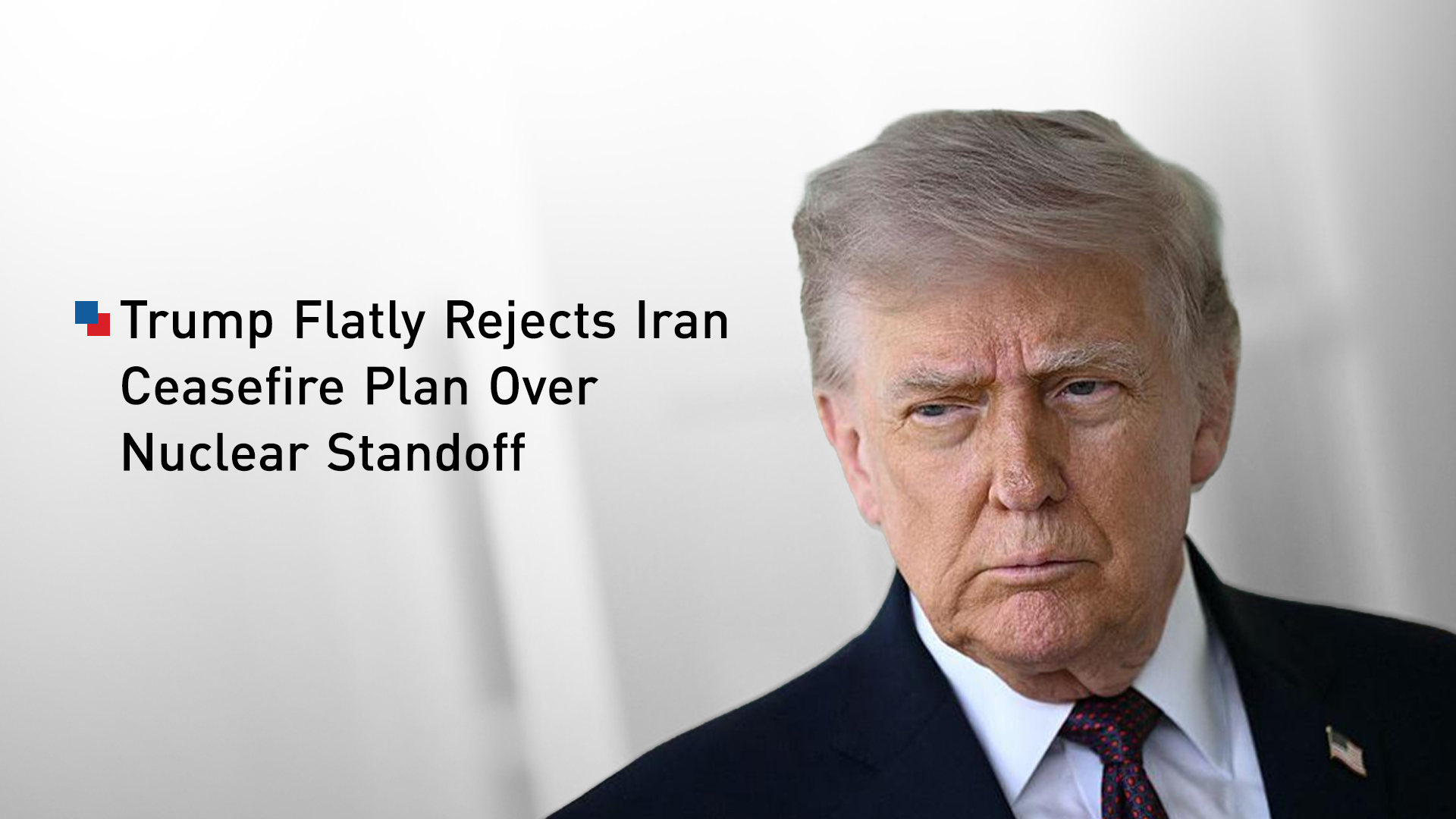
ERBIL (Kurdistan24) — U.S. President Donald Trump on Tuesday rejected Iran’s latest proposal to end the ongoing conflict, expressing dissatisfaction with a plan that would delay addressing Tehran’s nuclear program, according to U.S. officials familiar with the discussions.
The proposal, conveyed through diplomatic channels, called for reopening the Strait of Hormuz and lifting the U.S. naval blockade on Iranian shipping as initial steps toward de-escalation. However, it notably set aside negotiations over Iran’s nuclear activities until after a ceasefire and maritime disputes were resolved.
Trump, speaking privately with advisers during a White House Situation Room meeting on Monday, made clear he would not accept any framework that postpones nuclear talks, a U.S. official said on condition of anonymity. The president’s position underscores Washington’s insistence that nuclear issues remain central to any negotiated settlement.
“The United States has been clear about its red lines,” White House spokeswoman Olivia Wales said, declining to comment directly on the proposal while emphasizing that negotiations would not be conducted through the media.
The rejection marks a significant setback for diplomatic efforts to end the two-month war, which began in February when the United States, alongside Israel, launched military operations against Iran. The conflict has since disrupted global energy markets, driven up oil prices, and contributed to mounting economic pressure worldwide.
Iran’s proposal reportedly outlined a phased approach to negotiations. The first stage would require an immediate end to hostilities and guarantees against renewed military action. Subsequent steps would address maritime tensions, including control over the Strait of Hormuz, before eventually turning to the nuclear issue.
Tehran has long maintained that its nuclear program is intended for peaceful purposes, but Washington insists on strict limitations from the outset. A previous agreement — the 2015 nuclear deal — collapsed after Trump withdrew the United States during his first term, escalating tensions that continue to shape current negotiations.
Diplomatic momentum has further stalled following the cancellation of a planned visit by U.S. envoy Steve Witkoff and senior adviser Jared Kushner to Islamabad, where Iranian Foreign Minister Abbas Araqchi had been engaged in shuttle diplomacy. Araqchi later traveled to Moscow, where he met President Vladimir Putin and received backing from Russia, a key ally of Iran.
Meanwhile, tensions in the Strait of Hormuz continue to impact global oil flows. Shipping data indicates a sharp decline in tanker traffic, with only a handful of vessels transiting the critical waterway in recent days. Several Iranian oil tankers have reportedly been forced to turn back due to the U.S. naval presence.
Market analysts say the disruption is now less about rhetoric and more about physical supply constraints. “What matters is the actual flow of crude, and that flow remains restricted,” said Fawad Razaqzada of City Index.
Iran has condemned U.S. actions against its shipping as unlawful, accusing Washington of effectively legalizing “piracy” at sea.
With both sides entrenched and far apart on key conditions, hopes for a near-term resolution appear to be fading. Trump also faces growing domestic pressure as the war drags on, amid declining approval ratings and questions over the administration’s strategic objectives.
The latest developments suggest that without agreement on the sequencing of nuclear negotiations, a breakthrough remains unlikely in the near term.