European Central Bank Holds Main Interest Rate Unchanged at 2 Percent
The decision, finalized by the bank's Governing Council late Thursday, maintains the primary interest rate at 2 percent without change.
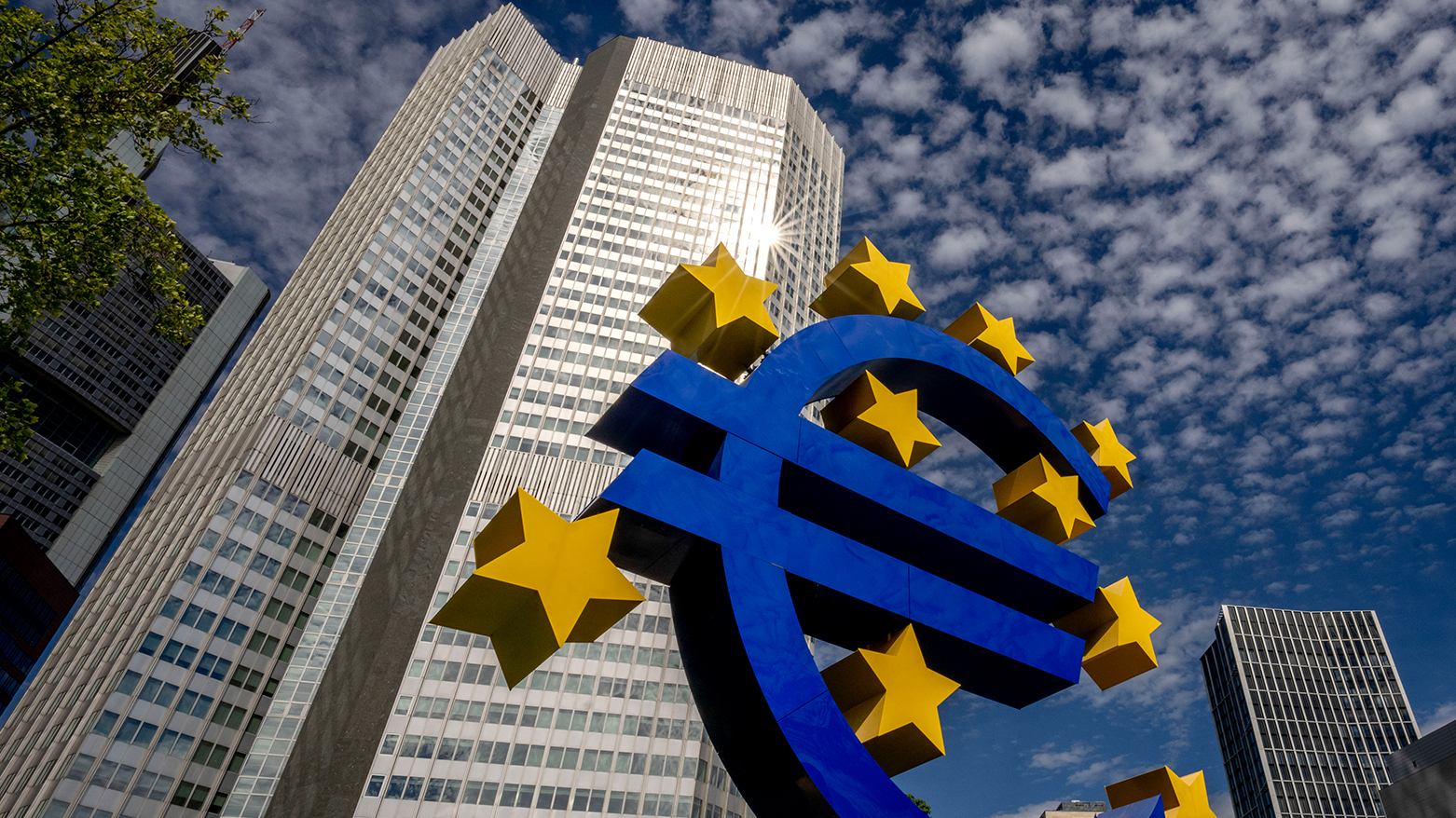
ERBIL (Kurdistan24) - The European Central Bank has kept its main interest rates stable, holding borrowing costs steady during its latest monetary policy meeting despite escalating regional conflicts and surging global energy markets.
The decision, finalized by the bank's Governing Council late Thursday, maintains the primary interest rate at 2 percent without change.
This monetary policy hold reflects the central bank's approach to managing eurozone economic conditions, as officials balance the immediate financial pressures of the Iran war against the broader objective of maintaining regional economic stability and inflation management.
Macroeconomic Context
The central bank's decision arrives against a backdrop of accelerating headline consumer prices across Europe.
According to recent economic data, the inflation rate within the eurozone reached 3 percent in April, marking a notable increase from the 2.6 percent recorded in March.
This upward trajectory is largely attributed to the severe spike in global oil prices, which have reached a four-year high of $124 per barrel due to the ongoing conflict involving Iran.
While core inflation, a metric that strips out more volatile factors, has dropped to 2.2 percent, the broader surge in energy costs continues to represent the greatest threat to macroeconomic stability.
The financial pressure from these elevated energy markets is currently affecting all 21 member countries operating within the eurozone.
Official Policy Statements
In an official release outlining the governing body's rationale, the central bank warned that a prolonged conflict will carry severe implications for the broader global economy.
"War in the Middle East has led to a sharp rise in energy prices, which has pushed up inflation rates and created a negative impact on confidence in economic activities," the European Central Bank stated.
The institution emphasized that the ultimate economic consequences remain dependent on the duration and intensity of the current energy price shock.
"The longer the war persists and energy prices remain high, the more severe the impacts on inflation and the economy in general will become," the statement continued.
Addressing the central bank's operational stance, European Central Bank President Christine Lagarde affirmed the institution's readiness to execute any necessary policy interventions.
According to Lagarde, the duration of the Middle East conflict will serve as the decisive factor governing the central bank's future monetary policy decisions.
The Governing Council concluded its late Thursday session by leaving the main interest rate unchanged at 2 percent, maintaining its current monetary policy framework as it continues to monitor regional instability and inflation metrics.