Austria Marks 50 Years Since Welcoming 100 Kurdish Refugees
Historic humanitarian decision in 1976 remembered as the foundation of enduring Kurdistan-Austria relations
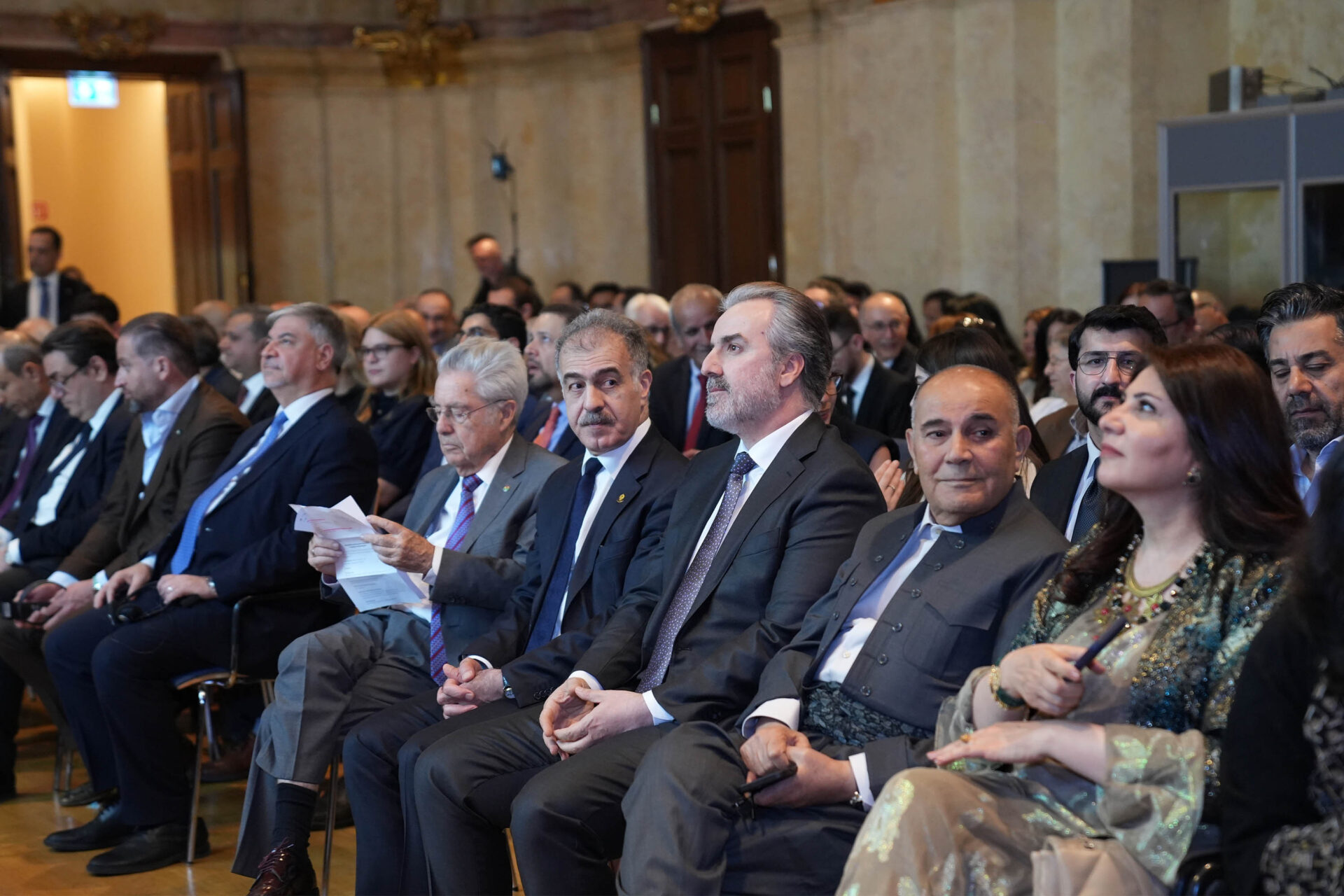
ERBIL (Kurdistan 24) - A special ceremony was held on Wednesday in Vienna to commemorate the 50th anniversary of Austria’s decision to welcome 100 Kurdish refugees following the humanitarian crisis that emerged after the collapse of the Kurdish movement in 1975.
The event, organized under the title “Long Live Austria,” brought together senior officials from the Kurdistan Region, Austria, and Iraq, alongside former refugees and diplomats, in what participants described as a historic reflection on one of the earliest humanitarian initiatives supporting displaced Kurds in Europe.
Among the attendees were Shifa Barzani, the head of Diaspora Center, Safeen Dizayee, head of Kurdistan Region's Department of Kurdistan foreign Relations(DFR), Deputy Foreign Relations official Daban Shadala, and Dr. Mustafa Ramazan, the Kurdistan Regional Government (KRG) representative in Vienna.
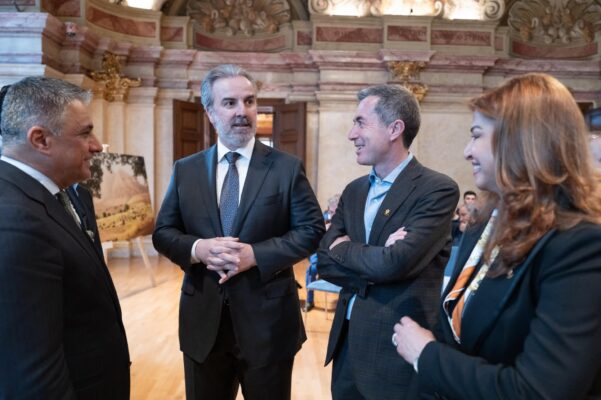
The ceremony also included prominent Austrian and Iraqi figures, including former Austrian President Heinz Fischer, Austrian Ambassador to Iraq Andrea Nasi, Iraqi Ambassador to Vienna Hisham Alawi, and several Kurdistan Region representatives from across Europe.
A large number of the original 100 Kurdish refugees who were welcomed by Austria nearly half a century ago also attended the event.
The commemoration highlighted the deep historical ties between the Kurdish people and Austria. Following the Kurdish displacement crisis of 1975, Austrian politician Heinz Fischer, then a member of the Austrian parliament, played a leading role, alongside the government of former Austrian Chancellor Bruno Kreisky, in supporting Kurdish refugees.
In March 1976, Austria officially granted asylum to 100 displaced Kurdish refugees who had been living in camps in Iran after fleeing the violence and political upheaval that followed the collapse of the Kurdish revolution in Iraq. According to the Historical accounts referenced during the Vienna commemoration ceremony.
Participants at the ceremony emphasized that Austria not only received the refugees warmly but also provided equal rights related to education, residency, and social integration, helping many Kurdish families rebuild their lives in Europe.
Officials and speakers described Austria’s decision at the time as a humanitarian turning point that later became a cornerstone of the strong diplomatic and cultural relationship that continues today between the Kurdistan Region and Austria.
The event also reflected the broader Kurdish refugee experience in Europe and the longstanding role played by several European countries in supporting displaced Kurdish communities during periods of regional instability and conflict.
Over the decades, Austria has remained an important diplomatic and humanitarian partner of the Kurdistan Region, particularly in areas such as migration, education, civil society cooperation, and cultural exchange.
The ceremony in Vienna served not only as a remembrance of a historic humanitarian decision, but also as a symbol of enduring relations between the Kurdish people and Austria spanning half a century.