KDP, PUK to Hold High-Level Talks in Pirmam on Iraqi Presidency
Kurdish ruling parties aim to decide on joint or separate candidates ahead of the parliamentary session.
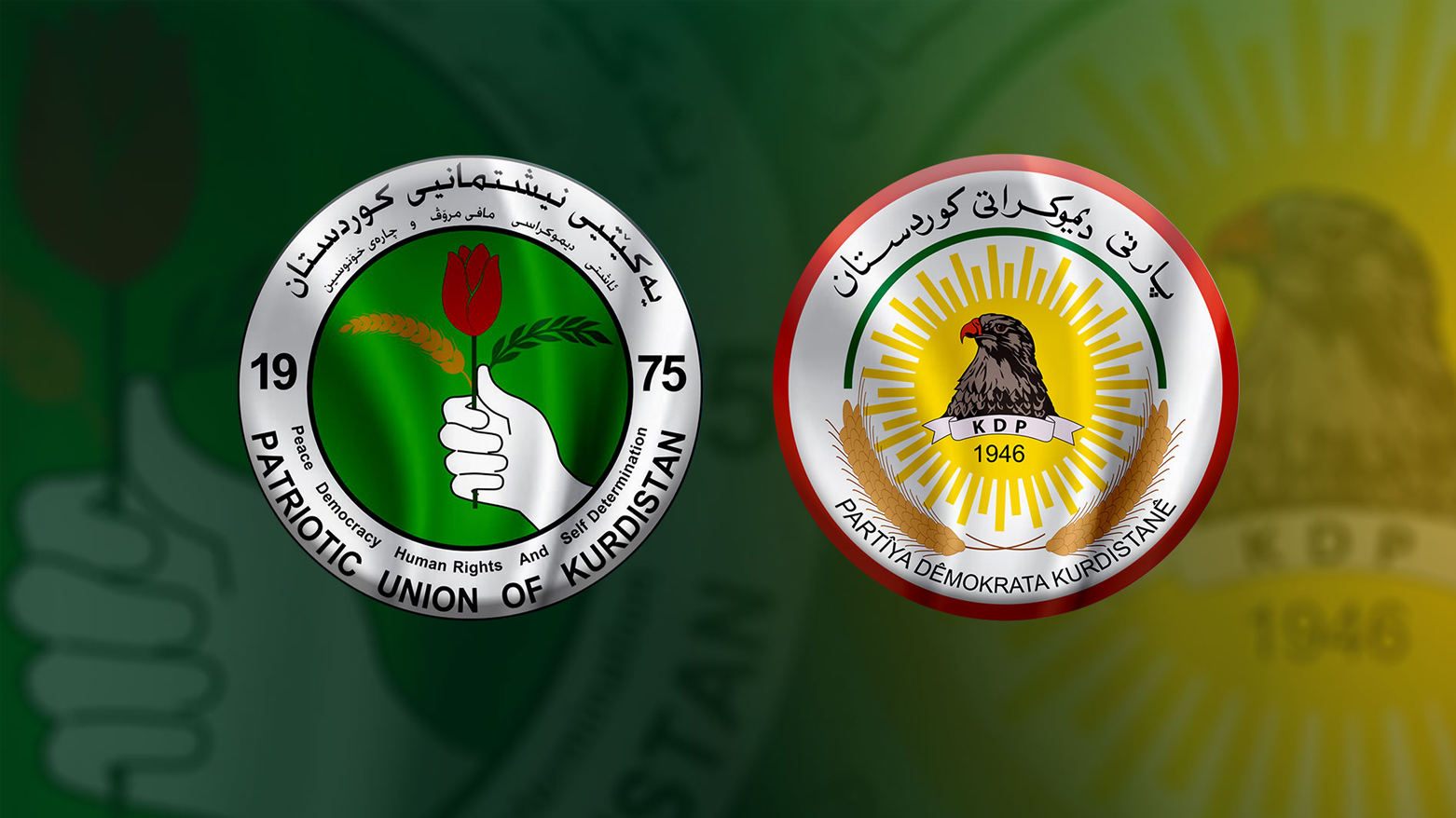
ERBIL (Kurdistan24) — Senior delegations from the Kurdistan Democratic Party (KDP) and the Patriotic Union of Kurdistan (PUK) are set to meet at a high level in the town of Pirman, in Erbil, on Wednesday, in an effort to resolve differences over the Kurdish nominee for the presidency of Iraq.
Ashwaq Jaf, a member of the KDP Central Committee, told Kurdistan24 that a senior PUK delegation will visit Pirmam to hold talks with a high-ranking KDP delegation, describing the meeting as decisive in determining the Kurdish position ahead of the parliamentary vote.
Jaf said the outcome of the meeting will clarify whether the two parties will move forward with a single joint candidate or compete with separate nominees.
“If an agreement is reached, both parties will enter the parliamentary session with one unified candidate. If not, each side will present its own candidate,” she explained.
The talks come amid uncertainty surrounding the timing of the next session of the Iraqi parliament, which is tasked with electing a new president. Jaf noted that the session could be postponed due to emerging differences within the Shiite political camp, with some factions reportedly favoring the continuation of the current government until outstanding issues are resolved.
Despite the possibility of a delay, she emphasized that both the KDP and PUK will participate in the parliamentary session to elect the president, basing their approach on the outcome of Wednesday’s meeting.
Kurdistan Region Prime Minister Masrour Barzani on Tuesday reiterated the KDP’s long-standing position that a new Kurdistan Regional Government (KRG) should be formed as soon as possible, emphasizing that this is in the interest of all people of Kurdistan.
Speaking to reporters shortly after the e-Psûle launch event, Barzani said there have been no major new developments in the formation process, but stressed the party’s commitment to a timely government based on the popular mandate.
He highlighted that the constitutional and electoral entitlements of all political forces must be respected to ensure a unified government across the Kurdistan Region. “This has always been the KDP’s position,” Barzani said, noting that the party has repeatedly affirmed its desire to see a government formed promptly, reflecting election results and the will of the people.
On the issue of Iraq’s presidency, Barzani acknowledged that Kurdish parties have not yet reached an agreement on a joint candidate, but emphasized that the position should represent the entire Kurdistan Region rather than any single faction.
“Our preference is that the candidate be a Kurdish national candidate, agreed upon collectively,” he said, explaining that the KDP has proposed that a majority of Kurdish lawmakers in the Iraqi parliament—or alternatively through the Kurdistan Parliament—endorse a single nominee to be presented as the consensus candidate for the presidency of Iraq.
These remarks come a day before the scheduled high-level meeting in Pirmam on Wednesday between senior KDP and PUK delegations, aimed at resolving outstanding issues related to both the Kurdish nominee for Iraq’s presidency and the formation of the next KRG cabinet.
The outcome of this meeting could be decisive in shaping a unified Kurdish stance ahead of upcoming parliamentary votes in Baghdad, which remain contingent on broader political negotiations among Iraq’s main blocs. The Iraqi presidency, traditionally held by a Kurd, has remained a point of contention between the two main Kurdish parties in recent political cycles.
The purpose of the meeting was also underscored by Hareem Kamal Agha, head of the PUK's faction in the Iraqi parliament. Speaking to Kurdistan24 on Monday, Agha said delegations from the PUK and the KDP would meet on Wednesday to address unresolved political issues, including agreeing on a Kurdish nominee for the Iraqi presidency.
He added that the talks would also cover broader coordination between the two parties, such as discussions on the formation of the next KRG cabinet and related power-sharing arrangements.
Speaking to reporters on Monday, Shakhawan Abdullah, head of the KDP parliamentary bloc in Iraq’s Council of Representatives, said that decisions on the timing and mechanism of any parliamentary session to elect the president and prime minister are made outside parliament, underscoring the central role of political negotiations behind the scenes.
Abdullah rejected the notion that the current deadlock in Iraq’s political process is limited to the Kurdish disagreement over the presidency, noting that Shiite political forces are also divided over the nomination for prime minister. He said the crisis reflects broader structural disputes across Iraq’s political landscape rather than a single point of contention.
He added that, in recent weeks, several meetings have taken place among the State Administration Coalition, revealing that further meetings are planned not only between the two Kurdish parties but also involving Iraqi political forces, to reach a comprehensive agreement on both top posts.
According to Abdullah, political blocs are keen to finalize an agreement before any parliamentary session is held, warning that without consensus, parliament would once again fail to elect a president, prolonging the political stalemate.
With Iraq’s top leadership positions still unresolved, the outcome of the Pirmam meeting is expected to feed directly into broader negotiations in Baghdad, where competing political forces are seeking a formula to break the prolonged deadlock.
Whether the Kurdish parties emerge with a unified position or proceed separately, their stance is likely to influence the timing and viability of any upcoming parliamentary session, as well as the wider effort to form a stable federal and regional government framework amid ongoing political fragmentation.