Iran Delays US Talks as Hormuz Tensions and Ceasefire Disputes Complicate Diplomacy
Iran said no date is set for US talks, stressing the need for a framework first, as tensions over the Hormuz Strait and ceasefire disputes continue to complicate negotiations
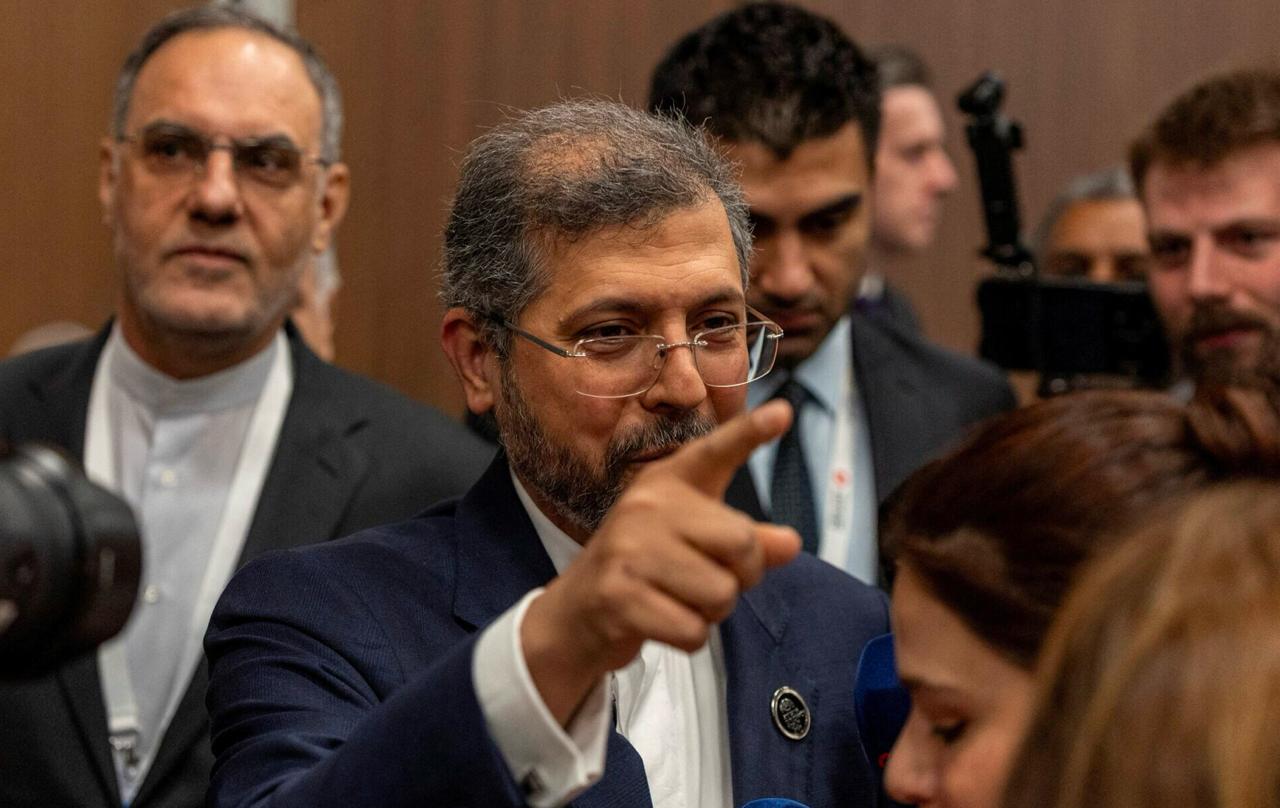
ERBIL (Kurdistan 24) - Tehran demands framework first while maritime standoff and recent developments shape negotiations.
Iran said Saturday that no date has been set for the next round of negotiations with the United States, emphasizing that a framework of understanding must be agreed before talks can resume.
The latest high-level discussions between Washington and Tehran — the most senior since the 1979 Islamic Revolution — ended in Islamabad last weekend without an agreement, despite what Iranian officials described as progress.
Saeed Khatibzadeh, Iran’s deputy foreign minister, said both sides are now focused on defining the structure of future negotiations before committing to another meeting.
“We are now focusing on finalizing the framework of understanding between two sides. We don't want to enter any negotiation or meeting which is doomed to fail, and which can be a pretext for another round of escalation,” he said on the sidelines of a diplomacy forum in Antalya.
“Until we agree the framework, we cannot set the date... There was significant progress made actually. But then the maximalist approach by the other side, trying to make Iran an exception from international law prevented us to reach an agreement,” he added, referring to US demands related to Iran’s nuclear program.
“I have to be very crystal clear that Iran would not accept to be an exception from the international law. Anything that we are going to be committed will be within the international regulations and international law.”
His remarks come as US President Donald Trump previously indicated that another round of talks could take place soon, possibly within days, although diplomats have questioned the feasibility of organizing such meetings on short notice.
The diplomatic uncertainty is unfolding alongside ongoing tensions in the Strait of Hormuz, which remains a central point of contention.
Iran has said it would allow safe passage for commercial vessels in line with ceasefire arrangements, following a temporary reopening of the waterway tied to a 10-day ceasefire involving Israel and Lebanon.
However, Khatibzadeh accused the United States of undermining those terms.
“The other side, the American side, tried to sabotage that by saying that it is open except for Iranians. So that was the reason we said that ‘if you are going to violate the ceasefire terms and conditions, if Americans are not going to honour their words, there will be repercussions for them,’” he said.
The dispute over maritime access follows a broader escalation in the region, where the United States imposed a blockade on Iranian ports while increasing its military presence, a move that has drawn criticism from other international actors and raised concerns over the stability of the ceasefire.
At the same time, conflicting signals have emerged over the status of the Strait of Hormuz, with Iran declaring it open for commercial traffic during the ceasefire period, while other officials have said normal shipping conditions have not yet fully resumed.
The situation has had wider economic implications, as disruptions in the strait have already affected global supply chains, contributing to rising energy prices and concerns over fuel availability and essential goods.
Against this backdrop, the lack of a clear timeline for renewed negotiations reflects the fragile balance between diplomatic efforts and ongoing tensions.
While both sides signal willingness to continue engagement, disagreements over the framework, combined with disputes over ceasefire conditions and maritime access, continue to shape the path forward.